Der ultimative Leitfaden zum Herstellungsprozess von Raymon-Ventilen
Der Herstellungsprozess von Industrieventilen ist sehr komplex und beinhaltet viele Variablen. Die Rohmaterialien, die bei der Herstellung verwendet werden, sind entscheidend für das Endprodukt. Die Werkzeuge, die für die Bearbeitung verwendet werden, sind Geometrie, Winkel und Form des Ventils.
Um den Herstellungsprozess von Ventilen zu verstehen, sollten wir die verschiedenen beteiligten Schritte kennen. Dieser Prozess umfasst das Auflösen von Metallen, das Formen von Materialien, die Reinigung und das Gießen. Das Endprodukt wird bearbeitet und auf Qualität sowie Druck und Temperatur geprüft.
Ventilproduktion und Herstellungsprozess
Die Ventilproduktion kann weiter in viele Komponenten unterteilt werden, wie z. B. die Fertigungskomponenten und das Stellglied. Der Prozess der Ventilherstellung beginnt mit dem Entgraten der Ventilkörper. Auf der anderen Seite erstellen die Techniker die Gewinde, damit die Ventilteile werden am Bauteil oder an der Rohrleitung befestigt. Abschließend werden die Ventile auf ihre Funktionalität geprüft, bevor sie zum Verkauf angeboten werden.
1. Werkstoffe für die Ventilherstellung
Die Werkstoffe für die Ventilkonstruktion müssen nicht vollständig korrosionsbeständig sein, und das geförderte Medium kann verunreinigt sein. Es gibt viele Materialien, die zur Herstellung von Ventilen verwendet werden: Gusseisen, Gussstahl, Schmiedestahl, Edelstahl, Bronze, Messing und Aluminium. Die Materialauswahl für die Ventile erfolgt auf Basis der Betriebsparameter des Einsatzbereichs, der zu regelnden Temperatur, des maximalen Drucks und des schweißbaren Materials. Siliziumbronze hat eine wesentlich bessere Beständigkeit gegen Spannungsrisskorrosion als andere Messingsorten, und die erhöhte Festigkeit macht sie zu einer ausgezeichneten Wahl für Spindelmaterial in druckfesten Ventilen. Bronze ist das meistverwendete Material in Absperrklappen. Die Verarbeitungseigenschaften dieser Materialien sind sehr schlecht und erschweren den Herstellungsprozess erheblich.
2. Die Struktur des Gussrohlings
Die Ventile dienen zur Änderung des Durchgangsquerschnitts und der Richtung des Mediums. Ventilgussstücke sind gesteuerte Komponenten in Rohrleitungssystemen zur Medienförderung. Sie sind in verschiedenen Größen erhältlich. Die meisten Rohlinge haben dünne Wandstärken mit vielen komplexen Strukturen und erfordern lediglich eine gute Oberflächenqualität. Sie haben eine gute Struktur und weisen keine Defekte wie Löcher, Risse oder Poren auf. Der Gießprozess von Ventilen ist ebenso komplex wie die Wärmebehandlung. Diese Ventilgussstücke werden hauptsächlich in der Petrochemie, Chemie, im Bergbau, in der Erdölverarbeitung, Papierherstellung, Lebensmittel- und Pharmaindustrie, Entwässerung, Wasserversorgung und in vielen anderen Bereichen eingesetzt.
3. Bearbeitungstechnologie
Ventile werden zur Regelung von Vakuum und Luft eingesetzt. Es gibt zwei Ventile, rechts und links. Die rechten Ventile erhöhen sowohl die Prozesszuverlässigkeit als auch die Kosteneffizienz des Vakuumsystems. Die Maschinen für Ventildichtflächen haben sehr hohe Anforderungen an Bearbeitungsgenauigkeit und Oberflächengüte. Passwinkel und Dichtpaarungen, die die Ventilebearbeitung erheblich erschweren. Es ist sehr schwierig, die genannten Genauigkeiten und Abmessungen zu erreichen, was die Bearbeitungswerkzeuge und die Prozessausrüstung vor große Herausforderungen stellt. Das Funktionsprinzip des Ventils besteht im Schließen und Öffnen der inneren Durchgänge, um den Fluss von Gas oder Flüssigkeit zu steuern. .
4. Prozessanordnung der Ventilteile
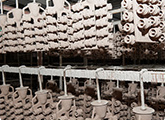
Das Ventilgehäuse wird manchmal als Schale bezeichnet und ist einer der Hauptkörper des Druckventils. Es dient als grundlegendes Element der Ventilbaugruppe, da es das Gerüst bildet, das alle Teile zusammenhält und kontrolliert. Das Ventilgehäuse ist der erste Druckkörper des Ventils, der den Flüssigkeitsdruckkräften durch die Verbindung der Rohre standhält. Die Teile von Ventilen werden in vielen Formen gegossen, und jede Form hat eine sehr spezifische Funktion und ist aus einem für diese Funktion geeigneten Material gefertigt. Die Hauptteile der Ventile sind klein und die Verwendung aller Teile ist sehr einfach. Alle Teile erfordern eine sehr hohe Oberflächenglätte, Härte und Ebenheit. Es gibt viele Arten von Teilen wie Schieber, Drehschieber, Schilfventil und Teller ventil. Die Teile der Ventile umfassen Sitz, Abstandshalter, Scheiben, Führungen, interne Feder und Buchsen. Alle Teile der Ventile enthalten die grundlegenden Ventilteile wie Gehäuse, Antrieb, Haube, Innengarnitur (auch als interne Elemente bezeichnet) und Packungen.
5. Ventilprüfung und Inspektionen
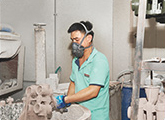
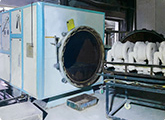
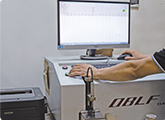
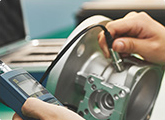
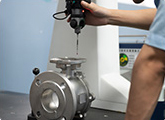
Um das Ventil zu prüfen, wird zunächst das Prüfverfahren festgelegt, das mit den Abnahmekriterien und anderen Normen kombiniert wird, die das Ventil erfüllt oder übertrifft. Alle Ventile sollen inspiziert werden, um sicherzustellen, dass keine Fehler und Undichtigkeiten vorhanden sind. Hersteller von Industrieventilen müssen Qualitätssicherung und Inspektion ernst nehmen. Der Inspektor führt die Oberflächenbehandlungsprüfung nach dem Sandstrahlen durch. Qualitätskontrollen führen verschiedene Größenprüfungen der Rohlinge im Modellbau durch. Alle Aufzeichnungen werden im Computer gespeichert und klassifiziert, um sie jederzeit abfragen zu können. Die Dichtheitsprüfung der Ventilhülle ist eine Prüfung, die hilft, das Vorhandensein von Wasser und anderen Restflüssigkeiten im Ventilkörper festzustellen. Die Ventilprüfung wird durchgeführt, indem das Ventil für mehr als eine Minute unter Druck gesetzt wird und auf Lecks geprüft wird. Dies wird bei allen Arten von Ventilen wie Absperr-, Rückschlag- und Absperrventilen durchgeführt. Sie dient tatsächlich der Aufrechterhaltung des Prozesses und der Beurteilung des Zustands des betriebsbereiten Ventils. Die Ventilprüfmaschine arbeitet unter hohem Druck und umfasst die Prüfung auf Ventilundichtigkeit, Dichtungs- und Sitzprüfung sowie Sitzdichtungsinspektionen. Die Techniken zur Ventilprüfung werden sich im Laufe der Jahre ändern, und gleichzeitig werden alle Verfahren prägnanter werden. Um die Leistung der Ventilfabrik zu verbessern, ist es für die in diesem Bereich tätigen Personen sehr wichtig, sicherzustellen, dass sie die richtigen Techniken mit ausreichendem Wissen anwenden.
Der Herstellungsprozess von Industrieventilen
Bestellung, Design, Lagerbestand und Checkliste sind vier grundlegende Phasen des Prozesses. Nach Eingang der Bestellung des Kunden beschafft die Fertigungsabteilung die Rohmaterialien. Das Abschließen aller Schritte dauert seine Zeit. Sie können sich ein besseres Bild von der Herstellung von Industrieventilen machen, da der Prozess nicht sehr kompliziert ist.
1. Bestellung und Design
Die industrielle Ventilproduktion ist der Prozess zur Herstellung von Industrieventilen hoher Qualität. Handgefertigte Komponenten sind daran beteiligt. Die Zeit der Auftragserteilung kommt, sobald ein Ventil entworfen und vom Kunden genehmigt wurde. Die Bestellung wird von der Beschaffung platziert und die vorher festgelegte Anzahlung geleistet, nachdem der Kunde das Design verbessert hat. Die Beschaffung von Materialien und Rohmaterialien beginnt durch die Fertigungsabteilung, sobald die Bestellung platziert wurde.
2. Lagerbestand
Der nächste Schritt nach der Auftragserteilung ist die Suche nach Rohmaterialien. Verschiedene Materialien werden benötigt, da verschiedene Teile von Ventilen hergestellt werden müssen. Für die Rohmaterialien können Sie im Lagerbestand nachsehen, und wenn Sie das Material nicht finden, müssen Sie es von Lieferanten beziehen.
3. Abschluss der Checkliste
Die Abteilung muss nach dem Sammeln der Rohmaterialien die Checkliste erstellen, um zu prüfen, ob alle wesentlichen Dinge für den Produktionsstart vorhanden sind. Auch die Qualität der Materialien, die bei der Herstellung der Produkte verwendet werden sollen, wird vom Qualitätssicherungsteam geprüft.
4. Produktionsprozess
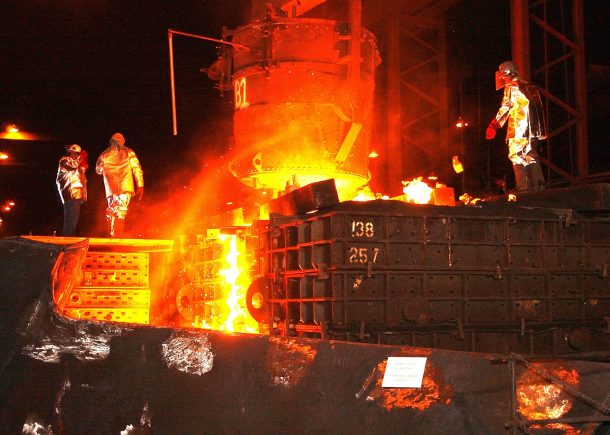
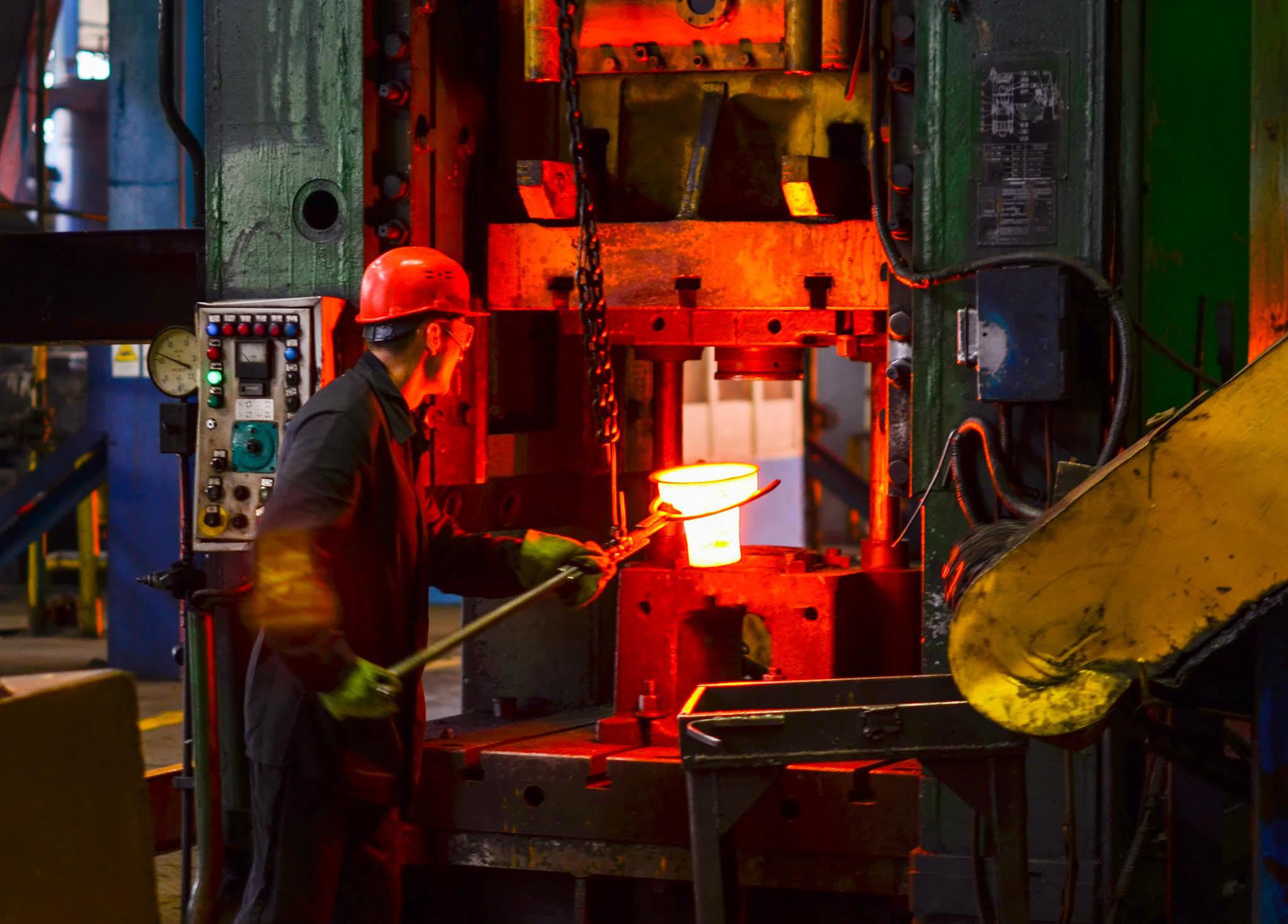
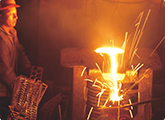
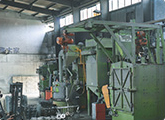
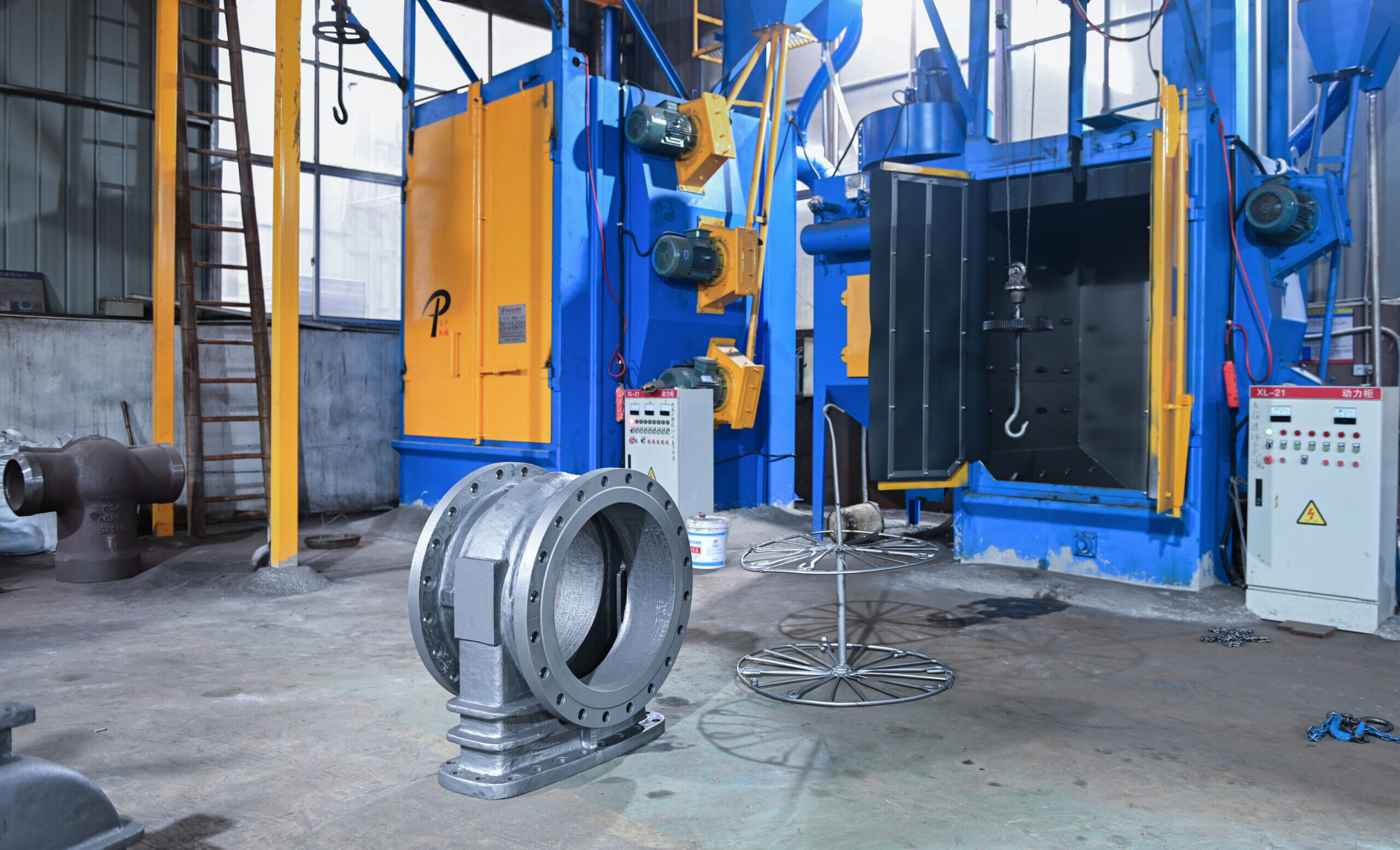
Die Herstellung des Stem, der Ventilkörper und des Sitzes sind am Produktionsprozess von Industrieventilen beteiligt. Zur Herstellung dieser Ventilteile wird das Gussverfahren verwendet. Das Schmiedeverfahren wird von einigen Herstellern angewendet. Es umfasst Sandstrahlen, Bearbeiten, Trimmen, Schmieden und Oberflächenbehandlung. Ein einzelnes Stück kann zur Herstellung der Ventilkörper verwendet werden. Es kann auch durch Verwendung von Formen oder Kernen gegossen werden. Ein Kern wird von modernen Gießverfahren verwendet, die bei der Herstellung von Teilen mit komplexen inneren Hohlräumen helfen.
5. Montage
Die Einhaltung ordnungsgemäßer Verfahren ist im Herstellungsprozess für die Ventilmontage unerlässlich. Die Hauptkomponenten der Industrieventile sollten gereinigt und separat montiert werden. Nach Abschluss der Produktion müssen alle Teile montiert werden, um ein vollständiges Ventil zu erstellen. Der Ventilmontageprozess wird nun mit dem Ventilkörper als Referenzteil durchgeführt.
6. Druckprüfung
Nach dem Montageprozess müssen die Ventile nun den Drucktest durchlaufen. Der wichtigste Drucktest für Ventile ist der hydrostatische Drucktest. Die Durchführung des Tests besteht darin, das Ventil zu öffnen und einen Druck anzuwenden, der 50% höher ist als sein Arbeitsdruck. Die Dichtfläche des Ventils bleibt leckfrei und der angelegte Druck darf nicht unter den Nenndruck fallen. Er wird als Arbeitsdruck bewertet.
7. Qualitäts- und Eingangskontrolle
Der letzte Schritt in der industriellen Fertigung ist die Qualitäts- und Eingangskontrolle. Alle Ventile müssen inspiziert werden, um sicherzustellen, dass keine Fehler und Leckagen vorhanden sind. Hersteller von Industrieventilen müssen Qualitätssicherung und Inspektion ernst nehmen. Der Inspektor führt die Oberflächenbehandlungsprüfung nach dem Sandstrahlen durch. Qualitätskontrollen führen verschiedene Größenprüfungen der Rohlinge während der Modellierung durch. Alle Aufzeichnungen werden im Computer gespeichert und klassifiziert, um sie jederzeit abrufen zu können.






 German
  English
  Arabic
  French
  Spanish
  Italian
  Portuguese
  Russian