La Guía Definitiva del Proceso de Fabricación de Válvulas Raymon
El proceso de fabricación de válvulas industriales es muy complejo y también contiene muchas variables. Las materias primas que se utilizan en la fabricación son muy críticas para el producto final. Las herramientas que se utilizan para el procesamiento son la geometría, el ángulo y la forma de la válvula.
Para comprender el proceso de fabricación de válvulas, debemos conocer los diferentes pasos que intervienen. Este proceso consta de la disolución de metales, el conformado de materiales, la limpieza y la fundición. El producto final se procesa y se prueba en cuanto a calidad, presión y temperatura.
Producción y proceso de fabricación de válvulas
La producción de válvulas se puede dividir aún más en muchos componentes, como los componentes de fabricación y el dispositivo de accionamiento. El proceso de fabricación de válvulas comienza con el desbarbado de los cuerpos de las válvulas. Por otro lado, los técnicos crean las roscas para que componentes de válvula se acoplan al componente o a la tubería. Finalmente, las válvulas se prueban en cuanto a su funcionalidad antes de ser ofrecidas a la venta.
1. Materiales de fabricación de válvulas
Los materiales de construcción de la válvula no necesitan ser totalmente resistentes a la corrosión, y el fluido que se suministra puede estar contaminado. Hay muchos materiales que se utilizan para fabricar válvulas: hierro fundido, acero fundido, acero forjado, acero inoxidable, bronce, latón y aluminio. La selección del material para la fabricación de válvulas se basa en los parámetros operativos de los servicios para los que se utilizan las válvulas, la temperatura que debe controlar, la presión máxima y el material soldable. El bronce de silicio tiene mucha mejor resistencia al agrietamiento por tensión que otros latones y el aumento de resistencia lo ha convertido en una excelente opción para el material del vástago en válvulas con clasificación de presión. El bronce es el material utilizado principalmente en Válvulas de mariposa. Las propiedades de procesamiento de estos materiales son muy pobres y dificultan enormemente el proceso de fabricación.
2. La estructura del tocho de fundición
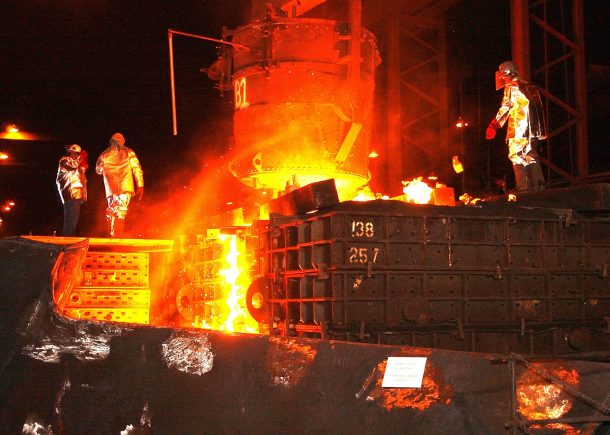
Las válvulas se utilizan para cambiar la sección del paso y la dirección del medio. Las fundiciones de válvulas son componentes de control en los sistemas de suministro de fluidos de tuberías. Vienen en una variedad de tamaños. La mayoría de los tochos tienen carcasas delgadas con muchas estructuras complejas y solo exigen una buena calidad de apariencia. Tienen buena estructura y no presentan defectos como agujeros, grietas o poros. El proceso de fundición de válvulas es complejo, al igual que la tecnología de tratamiento térmico. Estas fundiciones de válvulas se utilizan principalmente en petroquímica, química, minería, papel de petróleo, farmacéutica alimentaria, drenaje, suministro de agua y en muchos otros campos.
3. Tecnología de mecanizado
Las válvulas se utilizan para controlar el vacío y el aire. Hay dos válvulas, derecha e izquierda. Las válvulas de la derecha aumentan tanto la fiabilidad del proceso como la rentabilidad del sistema de vacío. Las máquinas de superficies de sellado de válvulas tienen muchos requisitos en cuanto a precisión de mecanizado y suavidad. El ángulo de acoplamiento y el par de sellado dificultan enormemente las máquinas de válvulas. Es muy difícil lograr la precisión y las dimensiones mencionadas, lo que genera dificultades para las máquinas herramienta y los equipos de procesamiento. El principio de funcionamiento de la válvula es el cierre y la apertura de los pasos internos para ver el flujo del gas o líquido.
4. Disposición del proceso de las piezas de la válvula
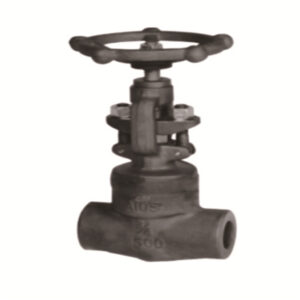
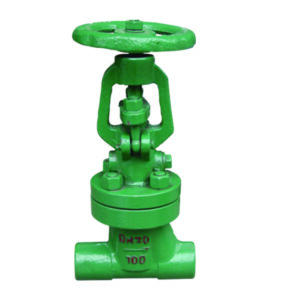
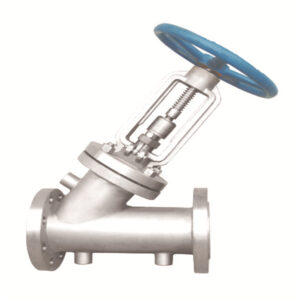
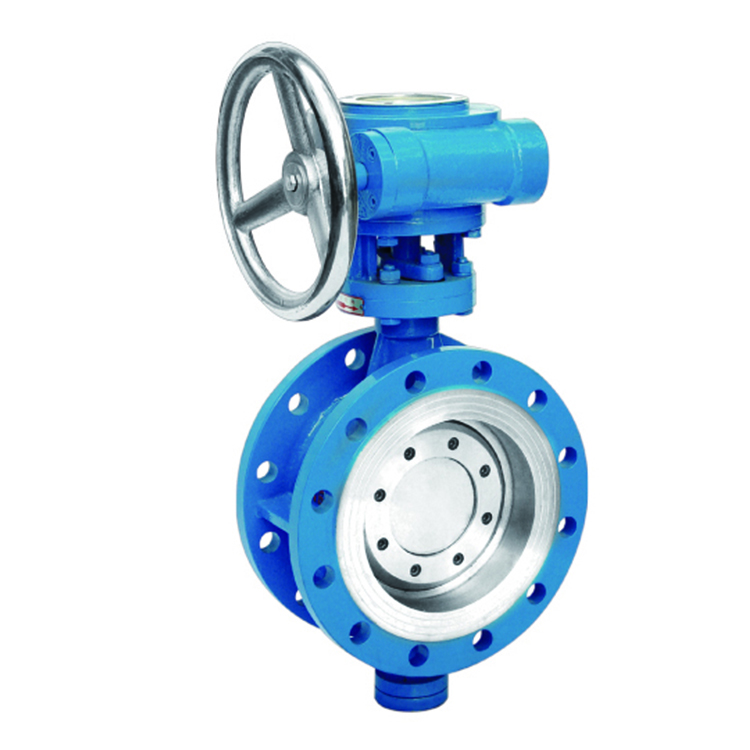
El cuerpo de la válvula, a veces denominado carcasa, es uno de los cuerpos principales de la válvula de presión. Sirve como elemento básico del conjunto de la válvula, ya que es la estructura que sujeta y verifica todas las piezas. El cuerpo de la válvula es el primer cuerpo de presión de la válvula que resiste las cargas de la presión del fluido al conectar las tuberías. Las piezas de las válvulas se funden en muchas formas y cada forma tiene una función muy específica y se construye en materiales adecuados para esa función. Las partes principales de las válvulas son pequeñas y el uso de todas las piezas es muy sencillo. Todas las piezas implican una gran suavidad, dureza y planitud de la superficie. Hay muchos tipos de piezas, como la válvula de corredera, la válvula rotativa, la válvula de láminas y la válvula de pistón. Las piezas de las válvulas incluyen el asiento, espaciadores, discos, guías, resorte interno y los casquillos. Todas las piezas de las válvulas contienen las partes básicas de las válvulas que son el cuerpo, el actuador, la tapa, los internos (también llamados elementos internos) y las empaquetaduras.
5. Pruebas e inspecciones de válvulas
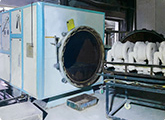
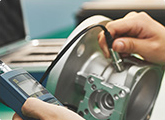
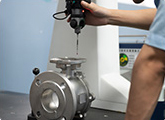
Para probar la válvula, lo primero es establecer el procedimiento de prueba que se combina con los criterios de aceptación y otras normas que la válvula supera o cumple. Todas las válvulas deben ser inspeccionadas para asegurarse de que no haya errores ni fugas. Los fabricantes de válvulas industriales deben tomar en serio el control de calidad y la inspección. El inspector realiza la inspección del tratamiento superficial después del chorreado. Los controles de calidad realizan varias inspecciones de tamaño de las piezas en bruto durante el modelado. Todos los registros se almacenarán y clasificarán en el ordenador para su consulta en cualquier momento. La prueba de fugas de la carcasa de la válvula es una prueba que ayuda a identificar la presencia de agua y otros fluidos restantes en la carcasa de la válvula. La prueba de la válvula se realiza aplicando presión a la válvula durante un tiempo específico, más de un minuto, y buscando fugas. Todas se realizan en todo tipo de válvulas, como las de obturación, retención y aislamiento. En realidad, se realiza para mantener el proceso y evaluar el estado de la válvula operativa. La máquina de prueba de válvulas funciona a alta presión e incluye pruebas de fugas de la válvula, pruebas de sellado y asiento, e inspecciones de fugas del asiento. Las técnicas de prueba de válvulas cambiarán con los años y, al mismo tiempo, todos los procedimientos serán más concisos. Para mejorar el rendimiento de la planta de válvulas, es muy importante que quienes trabajan en este campo se aseguren de que utilizan las técnicas adecuadas con suficiente conocimiento.
El Proceso de Fabricación de válvulas industriales
Pedido, diseño, inventario y lista de verificación son cuatro etapas que se incluyen básicamente en el proceso. Una vez que el cliente realiza el pedido, el departamento de fabricación busca y obtiene las materias primas. Completar todos los pasos lleva tiempo. Puede tener una mejor idea sobre la fabricación de válvulas industriales, ya que el proceso no es muy complicado.
1. Pedido y Diseño
Producir válvulas industriales de alta calidad es el proceso de producción de válvulas industriales. En él intervienen componentes hechos a mano. El momento de la realización del pedido llega una vez que la válvula ha sido diseñada y aprobada por el cliente. El pedido se realiza por provisión y se realiza un depósito predeterminado después de la mejora del diseño por parte del cliente. El departamento de fabricación comienza la adquisición de materiales y materias primas una vez realizado el pedido.
2. Inventario
El siguiente paso después de realizar el pedido es comenzar a buscar materias primas. Se necesitan diferentes materiales, ya que se deben fabricar diferentes partes de las válvulas. Para las materias primas, puede consultar el inventario y, si no encuentra el material, debe obtenerlo de los proveedores.
3. Completar la lista de verificación
El departamento, después de recolectar las materias primas, tiene que crear la lista de verificación para comprobar que todas las cosas esenciales estén disponibles para comenzar la producción. El equipo de garantía de calidad también verifica la calidad de los materiales que se utilizarán en la fabricación de los productos.
4. Proceso de producción
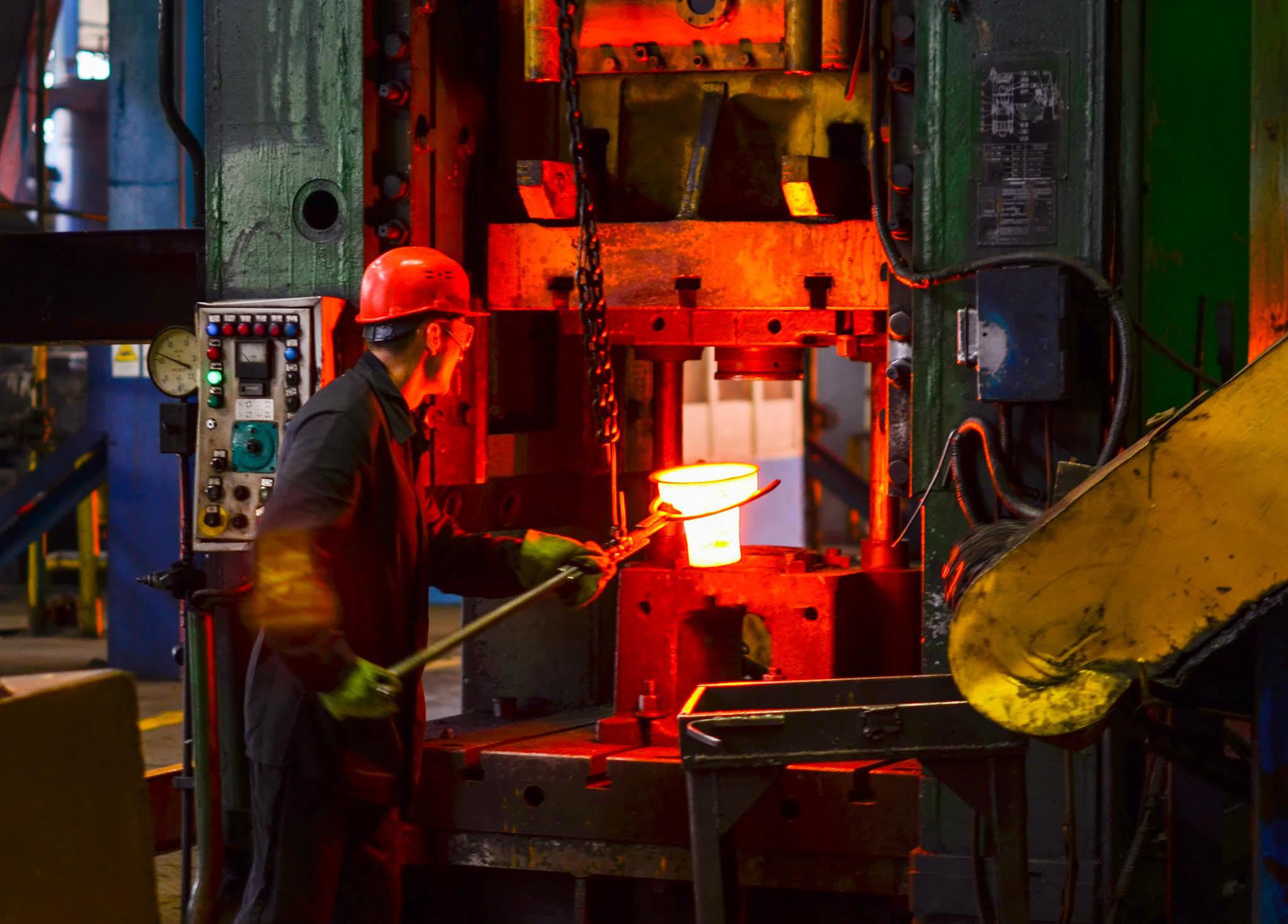
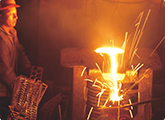
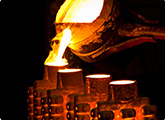
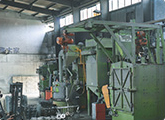
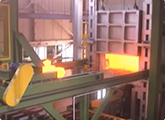
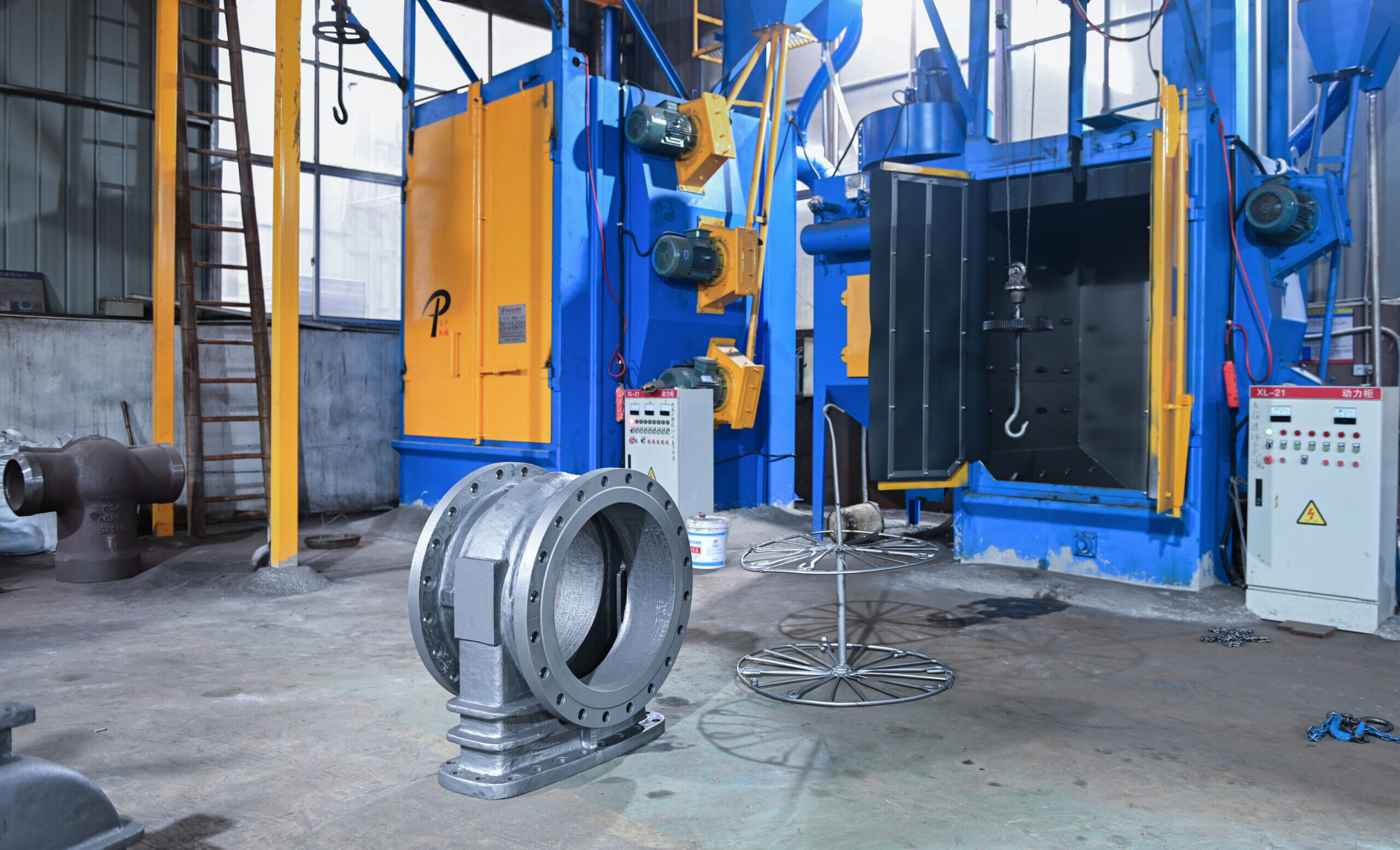
La fabricación del vástago, los cuerpos de válvula y el asiento están involucrados en el proceso de producción de válvulas industriales. Para producir estas partes de las válvulas se utiliza el método de fundición. Algunos fabricantes utilizan el método de forjado. Implica chorreado de arena, mecanizado, recorte, forjado y tratamiento superficial. Se puede utilizar una sola pieza para fabricar los cuerpos de las válvulas. También se puede fundir utilizando moldes o machos. Un macho es utilizado por los procesos de fundición modernos, lo que ayuda a producir piezas con cavidades internas complejas.
5. Montaje
Seguir los procedimientos adecuados es esencial en el proceso de fabricación para el montaje de válvulas. Los componentes principales de las válvulas industriales deben limpiarse y montarse por separado. Una vez completada la producción, todas las piezas deben ensamblarse para crear una válvula completa. El proceso de montaje de la válvula se lleva a cabo ahora con el cuerpo de la válvula como pieza de referencia.
6. Prueba de presión
Después del proceso de ensamblaje, las válvulas deben someterse a la prueba de presión. La prueba de presión más importante para las válvulas es la prueba de presión hidrostática. La prueba consiste en abrir la válvula y aplicar una presión un 50% superior a su presión de trabajo. La superficie de sellado de la válvula permanece libre de fugas y la presión aplicada no puede descender por debajo de la presión nominal de trabajo.
7. Control de calidad e inspección
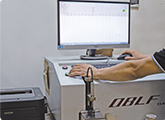
El paso final y último en la fabricación industrial es el control de calidad e inspección. Todas las válvulas desean ser inspeccionadas para asegurar que no haya errores ni fugas. Los fabricantes de válvulas industriales deben tomarse en serio el aseguramiento de la calidad y la inspección. El inspector realiza la inspección del tratamiento superficial después del chorreado. Los controles de calidad llevan a cabo las diversas inspecciones de tamaño de las piezas en bruto durante el modelado. Todos los registros se almacenarán y clasificarán en el ordenador para su consulta en cualquier momento.


 Spanish
  English
  German
  Arabic
  French
  Italian
  Portuguese
  Russian