
Valve inspection:Analysis & Testing
Warum Ventilinspektion & Prüfung?
Raymon Armaturen stehen für hohe Qualität, Zuverlässigkeit und Technologie.
Qualität ist fester Bestandteil unserer Unternehmensstrategie und zeigt sich in der Sorgfalt, mit der wir die Rohstoffe auswählen
Werkstoffe. Raymons Mission zielt auf kontinuierliche Verbesserung ab, indem wir unsere Mitarbeiter fördern, sie motivieren und
die sie zum Lernen und zur Weiterbildung anregt.
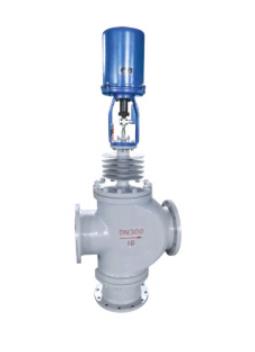
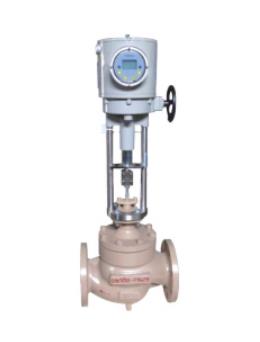
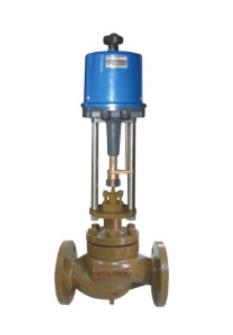
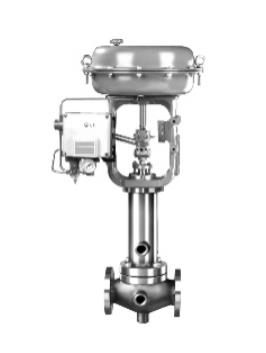
Was Sie über die Qualitätsprüfung von Newinteg-Ventilen wissen müssen
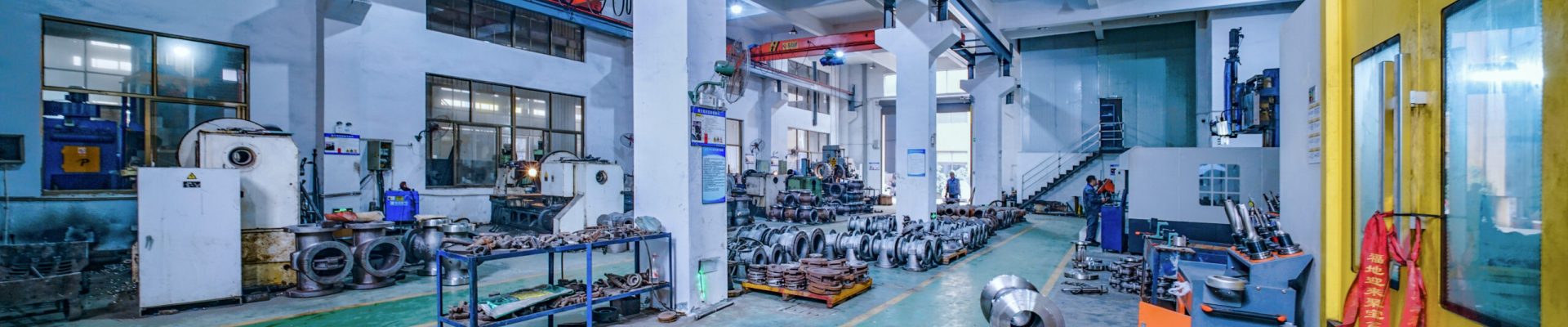
Ventilprüfung
Schmiedeprüfung (chemische Zusammensetzungsanalyse, Zugfestigkeits- und Kerbschlagprüfung, metallographische Analyse) Eingangskontrolle (Prüfung von Schmiedeteilen und Fittings) Prozessqualitätskontrolle (Bearbeitungsprüfung, Montageprüfung, Belastungsprüfung) Endkontrolle (Produktprüfung)
Ventilprüfgeräte
- Spektrograph
- Leeb-Härteprüfgerät mit hoher Präzision
- Schlagprüfgerät
- Rockwell-Härteprüfgerät
- Zugprüfmaschine
- Tieftemperatur-Prüfkammer
- Ultraschall-Dickenmessgerät
- Helium-Massenspektrometer
- Hochtemperatur-Prüfkammer
- Mikroskopische metallographische Prüfmaschine

Schmiedeprüfung → Wareneingangsprüfung → Prozessprüfung → Endprüfung
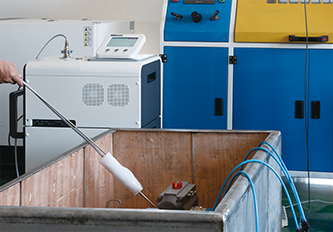
TA-Luft-Prüfung
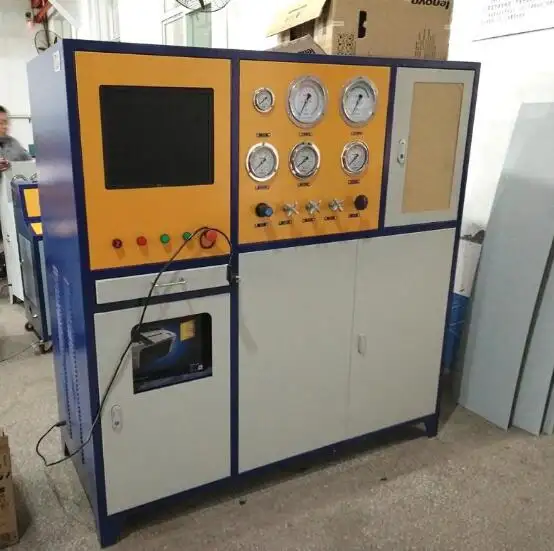
Druckprüfung

Materialanalyse von Zubehör
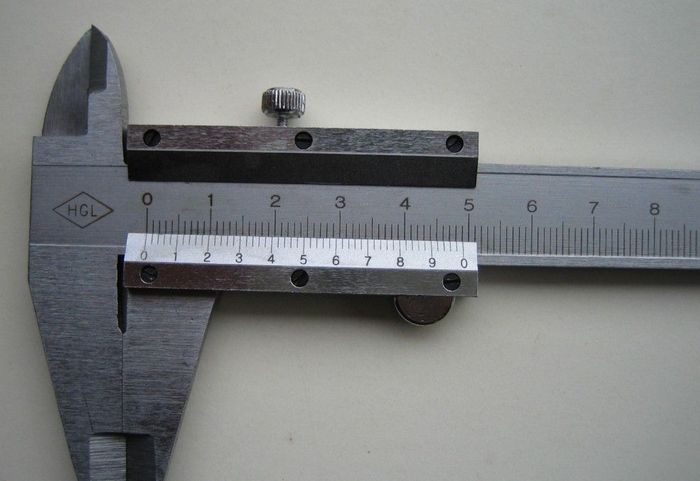
Mittenabstand des Ventilkörpers
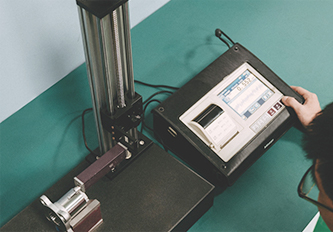
Oberflächenrauheit
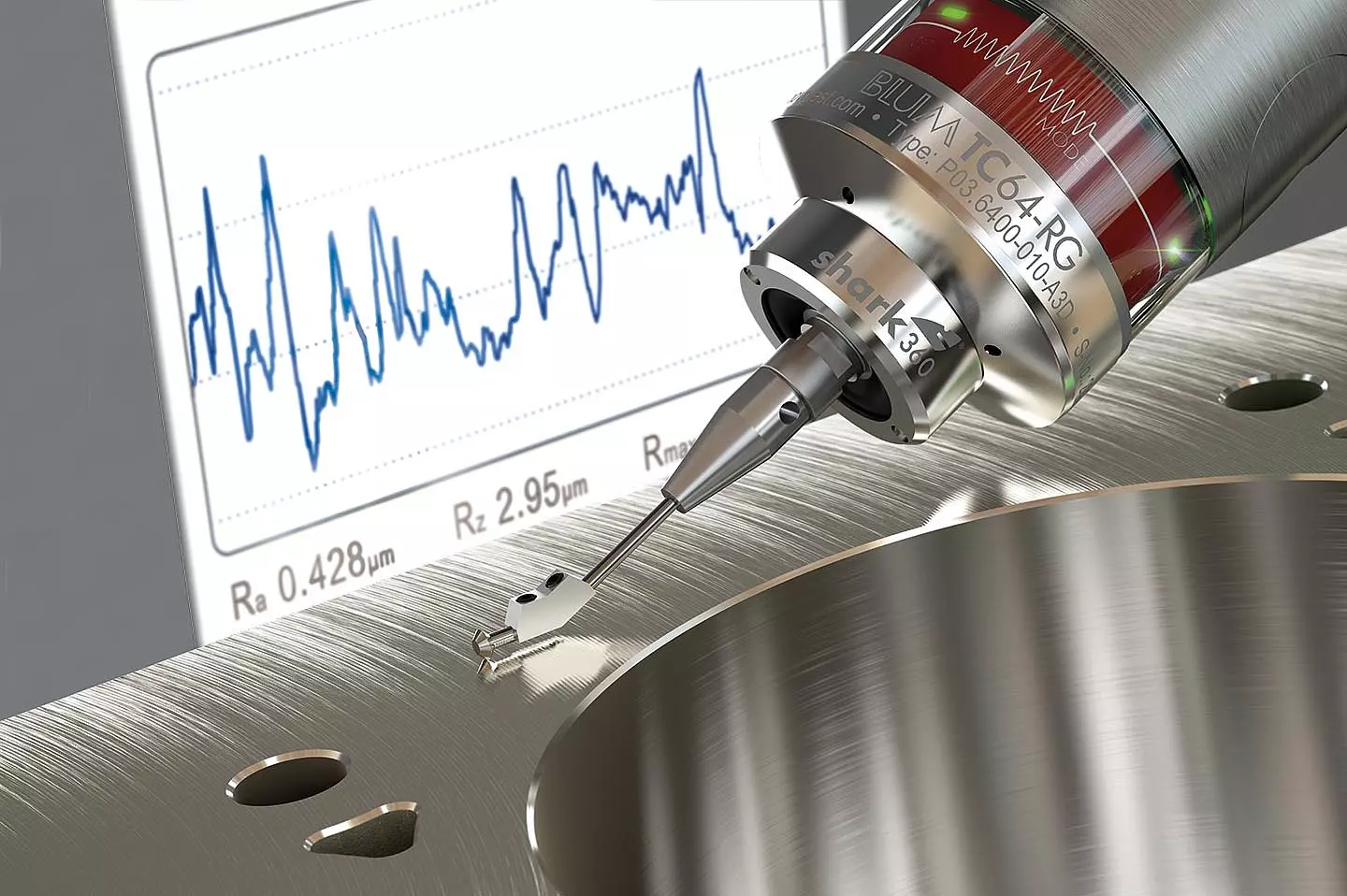
Rauheitsmessgerät
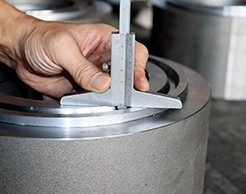
Messungen
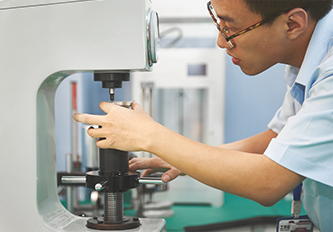
Härte nach Rockwell
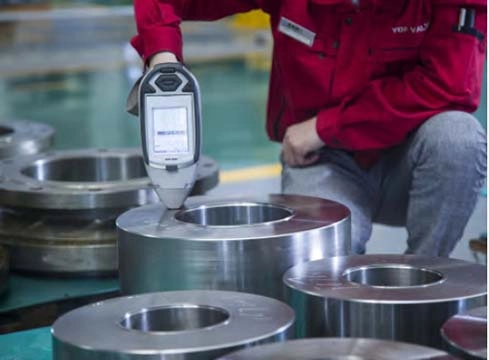
Zerstörende Werkstoffprüfung
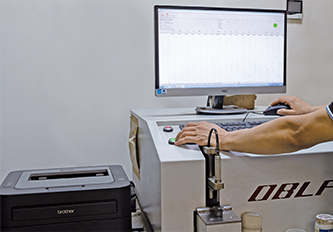
Materialprüfung
Über uns
Details zur Inspektion im Werk
Ventilprüfung
Ventilinspektions- und Prüfposten
Raymon Valve Co., Ltd. ist ein High-Tech-Hersteller von Chemieventilen, der F&E, Produktion, Vertrieb und Service integriert. Wir sind spezialisiert auf die Herstellung von Kraftwerksventilen, Hochtemperatur- und Hochdruckventilen, geschmiedeten Kugelhähnen, Dreiwege-Kugelhähnen, Pigging-Ventilen, Schlammventilen, petrochemischen Ventilen und anderen Produkten. Die Ventilvielfalt ist komplett, wir haben als erster in der Branche die ISO9001, CE-internationale Zertifizierung usw. bestanden und unsere Produkte in verschiedenen Bereichen eingesetzt. Die Benutzer erkennen unsere Ventilprodukte hoch an.
1. Inspektions- und Prüfposten für verschiedene Ventilarten | |||||||||
Ventilklasse | Drosselventil | Membranventil | Kegelventil | ||||||
Prüf- und Testpunkte | Festigkeit des Gehäuses | √ | √ | √ | √ | √ | √ | √ | √ |
Dichtleistung | √ | √ | - | √ | √ | √ | √ | √ | |
Obere Dichtleistung① | √ | √ | - | - | - | - | - | - | |
Gussqualität | √ | √ | √ | √ | √ | √ | √ | √ | |
Kontinuierlicher störungsfreier Öffnungs- und Schließvorgang | √ | √ | - | √ | √ | √ | √ | - | |
Minimale Wandstärke des Ventilgehäuses | √ | √ | √ | √ | √ | √ | √ | √ | |
Reinheit des Innenraums | √ | √ | √ | √ | √ | √ | √ | √ | |
Maximales Öffnungs- und Schließdrehmoment | √ | √ | - | √ | √ | √ | √ | - | |
Antistatik-Prüfung | - | - | - | √ | - | - | - | - | |
Feuerwiderstandsprüfung ② | - | - | - | √ | - | - | - | - | |
Teileinspektion | √ | √ | √ | √ | √ | √ | √ | √ | |
Durchflussprüfung | √ | √ | √ | √ | √ | √ | √ | √ | |
① Ventile mit hohen Anforderungen an die obere Abdichtung müssen auf ihre obere Abdichtung geprüft werden
② Andere Ventile können ebenfalls auf Feuerbeständigkeit geprüft werden, wenn sie entsprechende Anforderungen haben
2. Inspektions- und Prüfposten von Sicherheitsventil, Druckminderventil und Kondensatableiter | |||
Ventilklasse | Sicherheitsventil | Druckminderer | |
Inspektions- und Prüfposten | Gehäuseprüfung | Gehäuseprüfung | Gehäuseprüfung |
Dichtungsprüfung | Druckregelverhalten | Schaltleistung | |
Einstellungsdruckabweichung | Druckkennlinie | Thermische Kondensations-Sammelwasser Verdrängung | |
Auslassdruck | Durchflusscharakteristik | Luftleckvolumen | |
Einschalthöhe | Kontinuierlicher störungsfreier Öffnungs- und Schließvorgang | Entlüftungsleistung | |
Mechanische Eigenschaften | Dichtleistung | Kontinuierlicher störungsfreier Öffnungs- und Schließvorgang | |
Schaltwiederholgenauigkeit | Durchfluss | Gussqualität | |
Öffnungs- und Schließdruckdifferenz | Gussqualität | höchster Arbeitsdruck | |
Verdrängung | Reinheit des Innenraums | Minimaler Arbeitsdruck | |
Gussqualität | - | Maximaler Gegendruck | |
Reinheit des Innenraums | - | Maximale Unterkühlung und minimale Unterkühlung | |
- | - | Reinheit des Innenraums | |
- | - | - | |
- | - | Spannungsprüfungsprüfung① | |
①Die Spannungsprüfungsprüfung ist eine Prüfung der Teile des Kondensatableiters, die einem Außendruck ausgesetzt sind (wie z. B. die Kugel des schwimmend gelagerten Kugelhahns usw.)
3. Werkstests und Typprüfungsposten für Sicherheitsventile, Druckminderventile und Kondensatableiter | ||||||||
Sicherheitsventil | Druckminderer | Kondensatableiter Ventile | ||||||
Prüfgegenstand | ab Werk | Typ | Prüfgegenstand | ab Werk | Typ | Prüfgegenstand | ab Werk | Typ |
Festigkeit des Gehäuses | √ | √ | Festigkeit des Gehäuses | √ | √ | Festigkeit des Gehäuses | √ | √ |
Dichtungsprüfung | √ | √ | Dichtungsprüfung | √ | √ | Schaltleistung | √ | √ |
Ansprechdruck | √ | √ | Druckregelverhalten | √ | √ | Minimaler Arbeitsdruck | - | √ |
Abblasedruck | √ | √ | Verkehrsmerkmale | - | √ | höchster Arbeitsdruck | - | √ |
Öffnungsdruckabweichung | - | √ | Druckkennlinie | - | √ | Maximaler Gegendruck | - | √ |
Einschalthöhe | - | √ | Durchfluss | - | √ | Entlüftungsleistung | - | √ |
Mechanische Merkmale | - | √ | Dauerlaufprüfung | - | √ | Maximale Unterkühlung und minimale Unterkühlung | - | √ |
Verdrängung | - | √ | - | - | - | Luftleckvolumen | - | √ |
- | - | - | - | - | - | Thermische Kondensations-Sammelwasser Verdrängung | - | √ |
4. Schlüssel- und Hauptpunkte für die Bewertung der Armaturen-Qualitätsklasse ①② | ||||||||
Ventilklasse | Schieber | Durchgangsventil | Drosselventil | Kugelhahn | Absperrklappe | Membranventil | Kegelventil | Rückschlagventil |
Gehäuseprüfung | △ | △ | △ | △ | △ | △ | △ | △ |
Dichtheitsprüfung | △ | △ | - | △ | △ | △ | △ | △ |
Obere Dichtheitsprüfung ③ | △ | △ | - | - | - | - | - | - |
Gussqualität | △ | △ | △ | △ | △ | △ | △ | △ |
Kontinuierlicher störungsfreier Öffnungs- und Schließvorgang | △ | △ | - | △ | △ | △ | △ | - |
Minimale Wandstärke des Ventilgehäuses | ○ | ○ | ○ | ○ | ○ | ○ | ○ | ○ |
Reinheit des Innenraums | ○ | ○ | ○ | ○ | ○ | ○ | ○ | ○ |
Maximales Öffnungs- und Schließdrehmoment | - | ○④ | - | - | ○ | - | - | - |
Absperrschieber-Verschleißrand | ○ | - | - | - | - | - | - | - |
Flanschversatz während der Nichtbearbeitung | ○ | - | - | - | - | - | - | - |
Gehäuseauskleidungswerkstoff | - | - | - | - | - | ○⑤ | - | - |
Membranleistung | - | - | - | - | - | ○ | - | - |
①△ ist der Schlüsselpunkt
②○ ist der Hauptpunkt
③ Ventile mit hohen Anforderungen an die obere Abdichtung müssen auf obere Abdichtung geprüft werden
④Hochdruck-Ausgleichs-Durchgangsventil hat diese Anforderung
⑤Anwendbar auf ausgekleidete Membranventile
5. Schlüsselpunkte und Hauptpunkte für die Qualitätsbewertung von Sicherheitsventilen, Druckminderventilen und Kondensatableitern①② | |||||
Sicherheitsventil | Druckminderer | Kondensatableiter Ventile | |||
Gehäuseprüfung | △ | Festigkeit des Gehäuses | △ | Gehäuseprüfung | △ |
Dichtungsprüfung | △ | Druckregelverhalten | △ | Schaltleistung | △ |
Öffnungsdruckabweichung | △ | Druckkennlinie | △ | Spannungsfestigkeitsprüfung④ | △ |
Auslassdruck | △ | Verkehrsmerkmale | △ | Thermische Kondensations-Sammelwasser Verdrängung | △ |
Einschalthöhe | △ | Gussqualität | △ | Luftleckvolumen | △ |
Mechanische Merkmale | △ | Kontinuierlicher störungsfreier Öffnungs- und Schließvorgang | △ | Entlüftungsleistung | △ |
Schaltwiederholgenauigkeit | △ | Dichtleistung | ○ | Gussqualität | △ |
Öffnungs- und Schließdruckdifferenz | △ | Reinheit des Innenraums | ○ | Kontinuierlicher störungsfreier Öffnungs- und Schließvorgang | △ |
Feder ③ | △ | - | - | höchster Arbeitsdruck | ○ |
Gussqualität | △ | - | - | Minimaler Arbeitsdruck | ○ |
Reinheit des Innenraums | ○ | - | - | Maximaler Gegendruck | ○ |
Verdrängung | ○ | - | - | maximale Unterkühlung | ○ |
- | - | - | - | Reinheit des Innenraums | ○ |
- | - | - | - | Restmenge nach Gießen⑤ | ○ |
- | - | - | - | Restmenge nach Schweißreparatur⑥ | ○ |
①△ ist der Schlüsselpunkt
②○ ist der Hauptpunkt
③Geeignet für Sicherheitsventile mit Federbauart
④Für Teile von Kondensatableitern, die externem Druck ausgesetzt sind, wie z. B. die Kugel eines schwimmend gelagerten Dampfkondensatableiters usw.
⑤, ⑥ Anwendbar auf mechanische Dampfkondensatableiter mit geschlossener Schwimmerkugel
Hochtemperaturventile beziehen sich hauptsächlich auf Hochtemperaturventile, die in Ölraffinerien eingesetzt werden. Hohe Arbeitstemperaturen umfasst hauptsächlich die Bereiche Unter-Hochtemperatur, Hochtemperatur Grad I, Hochtemperatur Grad II, Hochtemperatur Grad III, Hochtemperatur Grad IV und Hochtemperatur Grad V. Weitere Optionen für verschiedene Bedingungen finden Sie unter "Mehr anzeigen" oder kontaktieren Sie uns!
Weitere Artikel zur Ventilinspektion
Wir sind sicher, Sie werden Ihre Wahl nicht bereuen
Warum Raymon Ventile wählen?
Kundenspezifische Fertigung nach Bedarf
Wir begrüßen Kunden, die ihre branchenspezifischen Anforderungen mitbringen. Unsere Industriellen Ventillösungen kundenspezifische Fertigung auf Anfrage! Verwendung der besten Materialien zur Produktion normkonforme Ventile, Wenn Sie kundenspezifische Ventildienstleistungen benötigen, kontaktieren Sie uns bitte sofort
Ventilqualität
Raymon Valve kontrolliert die Produktqualität in jedem Prozess streng; andererseits verbessert es die Arbeitsqualität der Mitarbeiter; und strebt ständig nach hoher Leistung und hoher Qualität der Produkte und hat sich zum Ziel gesetzt, die bevorzugte Marke für Ventilprodukte für die Mehrheit der Benutzer zu werden.
Professionelle Dienstleistungen
Unser Vertriebsmitarbeiter beantwortet Ihre Fragen zu Branchen, Produkten, Transport usw. Unser Servicepersonal ist 7x12 Stunden online. Wenn Sie Probleme mit Zeitunterschieden haben, warten Sie bitte geduldig auf unsere Antwort, und wir werden Ihnen so schnell wie möglich antworten.
Hohe und neue Technologie
Als High-Tech-Unternehmen in China können wir vollständige Ventil-Musterzeichnungen, technischen Support für den Ventilproduktionsprozess, technischen Support wie Wartungshandbücher und Festigkeitsberechnungsbücher anbieten. Häufig gestellte Fragen zum Ventilbetrieb. .
F&E-Innovation
Raymon Valve hat viel Personal und Mittel in die innovative Forschung und Entwicklung von Ventilen investiert und Labore, Inspektionsräume und F&E-Räume eröffnet. Jährlich werden 20 Arten von neuen Produkten entwickelt. Kundenspezifische branchenspezifische Ventile für Kunden, Dutzende von Produkten unter extremen Ventilbedingungen. .
Internationale Standards
Die von uns produzierten Ventile erfüllen verschiedene internationale Prüfindikatoren, und alle Arten von Ventilen werden gemäß relevanten nationalen Standards wie GB und JB sowie internationalen Standards wie ANSI, API, JIS und BS hergestellt und abgenommen. DIN. Bitte kontaktieren Sie uns für spezielle Produktionsstandards.
Wir sind nicht nur ein Hersteller von Ventilen, sondern auch ein Verbreiter von Branchenwissen
OEM & ODM Raymon Ventil Anwendungen
xxxxxx Raffinerie-Spezial
Klicken Sie auf die Schaltfläche “Bearbeiten”, um diesen Text zu ändern. Dies ist ein Testtext.
x
xxxxxx Erdöl-Spezial....
Klicken Sie auf die Schaltfläche “Bearbeiten”, um diesen Text zu ändern. Dies ist ein Testtext.
x
xxxxxx
Klicken Sie auf die Schaltfläche “Bearbeiten”, um diesen Text zu ändern. Dies ist ein Testtext.
x
xxxxxx
Klicken Sie auf die Schaltfläche “Bearbeiten”, um diesen Text zu ändern. Dies ist ein Testtext.
x
xxxxxx
Klicken Sie auf die Schaltfläche “Bearbeiten”, um diesen Text zu ändern. Dies ist ein Testtext.
x
FAQ
Wichtige Arten der Ventilinspektion und -prüfung
Um Ihnen eine Vorstellung davon zu geben, welche Prüfungen zur Bestimmung der Wirksamkeit und des Zustands von Armaturen in industriellen Anwendungen durchgeführt werden, gehen wir diese Bewertungsmaßnahmen durch.
Armaturen-Gehäuseprüfung
Die Armatur wird auf Dichtheit geprüft, indem sie teilweise geöffnet und einem hydrostatischen Druck ausgesetzt wird, der 50 % über dem Nennbetriebsdruck liegt. Während dieser Prüfung wird ein bestimmter Druck angewendet. Es gelten auch spezifische Wassertemperaturen (41 °F bis 122 °F). Um die Prüfung zu bestehen, darf kein Leck an der Armatur auftreten. Wenn Ventilwerkstoff Edelstahl enthalten ist, muss der Chloridionengehalt weniger als 100 ppm betragen.
Armaturen-Sitzdichtungsprüfung
Bei dieser Prüfung ist die Armatur vollständig geschlossen, der Einlass steht unter hydrostatischem Druck und der Armaturenkörper ist mit der Prüfflüssigkeit bei einer bestimmten Temperatur gefüllt.
Die Auslassseite der Armatur wird auf Leckagen überwacht. Der Druck darf bei 100 °F nicht niedriger sein als der maximal zulässige Druck. Die Dauer des angelegten Drucks beträgt in der Regel eine Minute. Damit die Armatur die Prüfung besteht, darf sie am Schaft und an der Packung nicht lecken. Eine minimale Leckage von der Dichtfläche von Scheibe und Sitz ist zulässig.
Sicherheitsventil-Inspektion
Diese Armatureninspektion umfasst die Überprüfung der Einlass- und Auslassleitungen mit Ausbau des Sicherheitsventils.
Folgende Teile werden auf Ablagerungen, Korrosion, Rissbildung, Lochfraß, Rauheit oder andere Schäden geprüft:
- Externe Oberfläche
- Auslassdüse
- Flansche
- Feder und Faltenbalg
Backseat-Ventilprüfung
Für diese Prüfung wird das Ventil vollständig geöffnet, während die Ventilenden geschlossen sind. Der Druck darf nicht niedriger sein als der maximal zulässige Druck 110% bei 100 °F.
Die Prüfdauer beträgt 15 Sekunden für ein Ventil unter 2 Zoll und 60 Sekunden für Ventile über 2 Zoll. Während dieses Vorgangs wird die Stopfbuchspackung unter dem Backseat-Prüfdruck genau inspiziert. Sie besteht, wenn keine Leckagen am Ventil oder an der Stopfbuchspackung auftreten.
Die Arten von Ventilprüfstandards
Nachfolgend finden Sie eine Aufschlüsselung einiger der gängigsten Ventilprüfstandards:
API 598: Ventilinspektion und -prüfung
API 527: Sitzdichtheit von Sicherheitsventilen
ASME B16.34: Ventile – Flansch-, Gewinde- und Schweißenden
ASME PTC 25: Druckentlastungseinrichtungen
FCI 70-2: Regelventil-Sitzleckage
ISA-S75: Hydrostatische Prüfung von Regelventile
ISO 5208: Industriearmaturen, Druckprüfung von Ventilen
MSS SP61: Hydrostatische Prüfung von Stahlventilen
MSS SP70: Gusseisen-Absperrschieber mit Flansch- und Gewindeanschlüssen
MSS SP71: Gusseisen Schwingrückschlagventile, Flansch- und Gewindeanschlüsse
MSS SP78: Gusseisen-Spindelventile mit Flansch- und Gewindeanschlüssen
MSS SP80: Bronze-Schieber-, Durchgangs-, Winkel- und Rückschlagventile
MSS SP85: Gusseisen Durchgangs- und Eckventile
Alle oben genannten Dokumentationen können über ein Drittanbieter-Qualitätsmanagementunternehmen wie HQTS bezogen werden. Unsere Inspektoren sind bereit, Ihre Ventile zu testen, um sicherzustellen, dass nur die besten Produkte Ihr Werk verlassen, was Ihre Kunden zufriedenstellt und die Umwelt schont.
 German
  English
  Arabic
  French
  Spanish
  Italian
  Portuguese
  Russian