
Ventilnormen
Ventilnormen
Die Fertigungsstandards von Raymon umfassen hauptsächlich chemische Standards, Industriestandards, Kraftwerksventilstandards, nationale Standards, amerikanische Standards, deutsche Standards, japanische Standards, nicht standardisierte Standards usw.
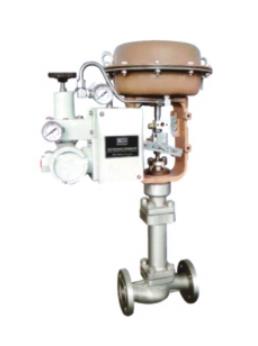
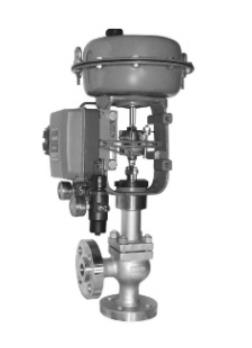
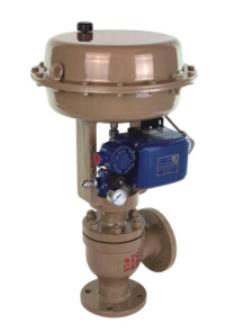
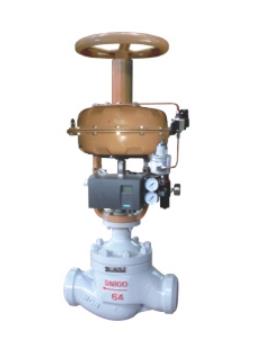
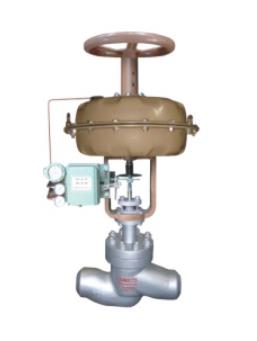
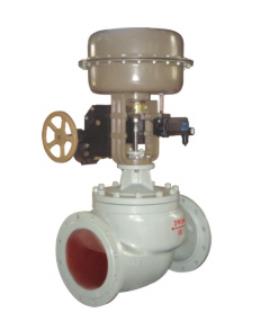
Warum Newinteg Ventile wählen!
Unser Wunsch ist es, dass Sie uns ohne Umwege finden!

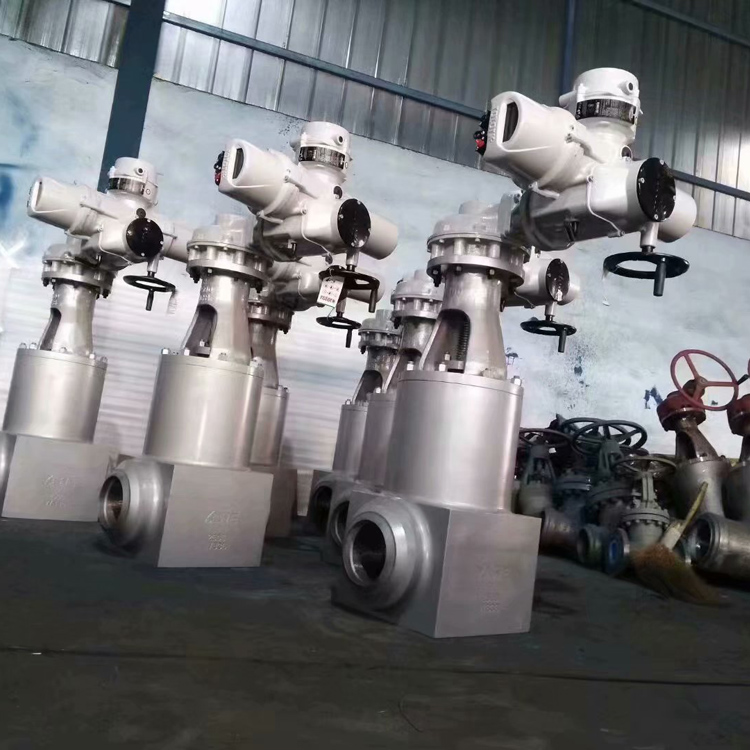
Umfassende Auswahl an Ventiltypen
Wir haben Hunderte von Industrieventilen zur Auswahl!
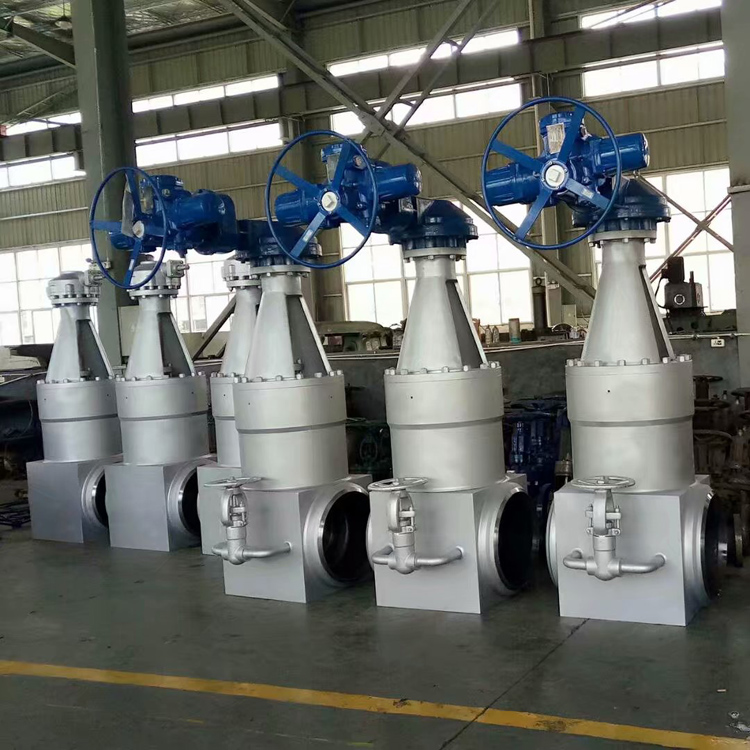
Neuartige Ventiltypen
Jährlich werden neu entwickelte Ventile in die Produktion gebracht!
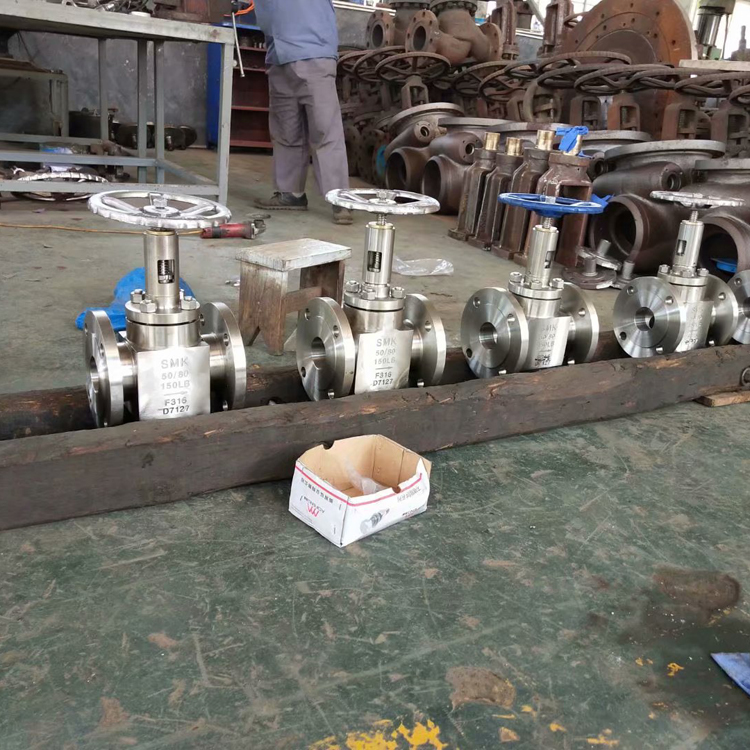
Kundenspezifische Ventiltypen
Vollständig kundenspezifische Ventile nach Kundenwunsch!
Was Sie über Ventilstandards wissen müssen !

Ventilstandards
Ventile werden in vielen Anwendungen in der Industrie, im Gewerbe und im Wohnungsbau eingesetzt. Aufgrund dieser breiten Palette von Verwendungszwecken gibt es mehrere wichtige Regulierungsbehörden, die Standards zur Gewährleistung der ordnungsgemäßen Funktionalität, Kompatibilität und Sicherheit für die Benutzer bereitstellen.
Die wichtigsten Standardisierungsorganisationen sind das American Petroleum Institute (API), das American Society of Mechanical Engineers (ASME), das American National Standards Institute (ANSI), das ASTM International (früher American Society for Testing Materials), und das Manufacturers Standardization Society (MSS). Während die oben genannten Organisationen in den USA gegründet wurden und dort ihren Hauptsitz haben, sind sie heute international tätig und ihre Normen werden weltweit angewendet.
Ingenieure, die ein Ventil für ein Produkt oder Systemdesign für den globalen Einsatz entwickeln oder verwenden, sollten die von internationalen und den zuständigen nationalen Normungsorganisationen verfügbaren Standarddokumente prüfen.
Das Internationale Organisation für Normung (ISO) ist eine wichtige internationale Normungsorganisation mit mehreren wichtigen Ventilnormen.
Das Europäisches Komitee für Normung (CEN) erstellt oder genehmigt die Mehrheit der europäischen Normen oder Euro-Normen (EN) und technischen Spezifikationen für die Mitgliedsländer der Europäischen Union.
Einige Ventilnormen von nationalen Normungsorganisationen umfassen ANSI-Ventilnormen (Vereinigte Staaten), BSI-Ventilnormen (Vereinigtes Königreich), CSA-Ventilnormen (Kanada), DIN-Ventilnormen (Deutschland), EEMUA-Ventilnormen (Vereinigtes Königreich) und JSA-Ventilnormen (Japan). Nationale Normungsorganisationen genehmigen hauptsächlich Produktnormen für die Verwendung in ihren jeweiligen Ländern, die von anderen Normungsorganisationen stammen. Darüber hinaus bieten sie nationale Akkreditierungsdienste für Normungs- und Zertifizierungsorganisationen an und koordinieren technische Beiräte für die ISO.
Ingenieure, die ein Ventil für ein Produkt oder System entwerfen oder ein Ventil in einem Produktdesign oder Systemdesign für eine bestimmte industrielle Anwendung verwenden, sollten die verfügbaren Normdokumente von den zuständigen Industrieverbänden prüfen. Einige branchenspezifische Ventilnormen umfassen:
Ventilstandards von sicherheitsorientierten Organisationen umfassen Ventilstandards nach NFPA und Ventilstandards nach UL. Viele der Standards von anderen branchenspezifischen, nationalen oder internationalen Standardisierungsorganisationen beziehen sich ebenfalls auf Sicherheitsaspekte von Produkten oder stellen sicher, dass Produkte sicher in ihren Anwendungen ohne Verlust von Menschenleben oder Sachschäden eingesetzt werden.
American Petroleum Institute (API)
Das American Petroleum Institute (API) repräsentiert die Öl- und Gasindustrie. Sie erstellen mehr als 900 Standards, die als Grundlage für Qualitätsprogramme dienen, die Vorschriften für Produktionsmaterialien und Schmierstoffe einhalten, sowie für Zertifizierungsprogramme für Lagertanks, Druckbehälter und Rohrleitungsinspektoren. API veröffentlicht Berichte, die empfohlene Praktiken, Forschungsberichte und Spezifikationen für Pipelines, Ventile und Umweltverfahren enthalten.
Es gibt mehr als 20 API-Standards die sich mit der Herstellung, Anwendung und Sicherheit von Ventilen befassen. Spezifische Standards sind:
API SPEC 6D – Spezifikation für Pipeline-Ventile. Die API-Spezifikation 6D ist eine Übernahme der ISO 14313:1999, Erdöl- und Erdgasindustrie – Transportsysteme für Pipelines – Pipeline-Ventile. Diese internationale Norm legt Anforderungen fest und gibt Empfehlungen für die Konstruktion, Herstellung, Prüfung und Dokumentation von Kugel-, Rückschlag-, Schieber- und Steckventilen für den Einsatz in Pipelinesystemen.
API STD 598 – Inspektion und Prüfung von Armaturen. Der Standard behandelt Anforderungen an Inspektion, zusätzliche Prüfungen und Druckprüfungen für Absperr- und Durchgangsventile mit elastischen und metallischen Dichtungen, Kugelhähne, Rückschlagventile und Absperrklappen. Gilt für die Inspektion durch den Käufer und für alle zusätzlichen Prüfungen, die der Käufer im Werk des Armaturenherstellers verlangen kann.
API STD 527 – Dichtheit von Sicherheitsventilen R(2002). Beschreibt Methoden zur Bestimmung der Dichtheit von metallisch und weichdichtenden Sicherheitsventilen, einschließlich konventioneller, Faltenbalg- und nachgeschalteter Bauarten.
API STD 602 – Stahl-Schieber-, Durchgangs- und Rückschlagventile für Größen NPS 4 (DN 100) und kleiner für die Erdöl- und Erdgasindustrie – Neunte Ausgabe
API STD 607 – Feuerprüfung für Vierteldrehventile und Ventile mit nichtmetallischen Sitzen – Sechste Ausgabe
API STD 609 – Absperrklappen: Doppel-, Lug- und Zwischenflanschtypen – Siebte Ausgabe Dieser Standard behandelt Konstruktion, Werkstoffe, Einbaulängen, Druck-Temperatur-Werte sowie Anforderungen an Prüfung und Inspektion für Absperrklappen aus Gusseisen, Sphäroguss, Bronze, Stahl, Nickelbasislegierungen oder Speziallegierungen, die im geschlossenen Zustand eine dichte Absperrung gewährleisten. Der Standard gilt für die folgenden Absperrklappen der Kategorien A und B.
Weitere Informationen zu API-Standards finden Sie auf der Website des American Petroleum Institute.
American Society of Mechanical Engineers (ASME)
Das American Society of Mechanical Engineers (ASME) ist eine professionelle Mitgliedsorganisation, die sich auf technische, bildungsbezogene und forschungsbezogene Themen der Ingenieur- und Technologie-Community konzentriert. Neben der Ausrichtung technischer Konferenzen und Weiterbildungskurse legt ASME international anerkannte Industrie- und Fertigungsstandards fest, die die öffentliche Sicherheit erhöhen. Die Unterabteilung Druckbehälter und Rohrleitungen befasst sich mit dem Design, der Herstellung und dem Betrieb von Ventilen und anderen drucktragenden Komponenten und Behältern.
ASME veröffentlicht Hunderte von Standards, und viele davon gelten für ein bestimmtes Instrument in einer bestimmten Anwendung. Einige Beispiele für Ventilstandards sind unten aufgeführt.
ASME F1020– Standard Specification for Line-Blind Valves for Marine Applications
ASME B16.33 – EN-Manually Operated Metallic Gas Valves for Use in Gas Piping Systems up to 125 PSI (Sizes NPS 1/2 Through NPS 2)
ASME B16.34 INTERPRETATIONS – EN-Interpretations to B16.34-1996 Valves – Flanged Threaded and Welding End-Includes Interpretation No. 2
ASME B16.10 INTERPRETATIONS – EN-Interpretations to B16.10-1992 Face-to-Face and End-to-End Dimensions of Valves-Includes Interpretation No. 1
ASME BPVC Code
Das ASME BPVC Code legt die Sicherheitsregeln für die Konstruktion, Herstellung, Inspektion, Prüfung und den Betrieb von Kesseln und Druckbehältern sowie Komponenten von Kernkraftwerken während des Baus fest. Ziel dieser Regeln ist es, eine Sicherheitsmarge für Verschleiß im Betrieb zu gewährleisten. Der ASME BPVC-Code oder die Standards werden alle zwei Jahre aktualisiert, um Fortschritte in Design und Material auf der Grundlage von Erfahrungen einzubeziehen. ASME BPV-Zertifikatsbereiche (BPV-Stempelhalterbereiche) listen die autorisierten Aktivitäten für jeden Typ von ASME-Zertifikat oder -Stempel auf. Mehrere ASME-Stempel oder Zulassungen sind für Überdruckventile oder Sicherheitsventile an Kesseln, Druckbehältern und Druckgeräten erforderlich, wie zum Beispiel:
ASME-Akkreditierungssatz für Hochdruck-Druckbehälter-Sicherheitsventile
ASME UV-Stempel Div 1 – Sicherheits- und Überdruckventile für Druckbehälter
ASME UV-Stempel Div 2 – Sicherheits- und Überdruckventile für Druckbehälter
ASME TV-Kennzeichnung – Sicherheitsventile für Transportbehälter
ASME NV-Kennzeichnung – Sicherheitsventile und Sicherheits-Überdruckventile für Kernkraftwerke
Für weitere Informationen zu den Ventilnormen besuchen Sie die American Society of Mechanical Engineers Website und IHS Sammlung der Normen der American Society of Mechanical Engineers.
ASTM International
ASTM International, ursprünglich bekannt als die American Society for Testing Materials (ASTM), ist die weltweit größte Organisation für die freiwillige Entwicklung von Normen. In 67 Bänden in 16 verschiedenen Bereichen hat die Organisation Normen für Prüfverfahren zur Bestimmung von chemische Zusammensetzung und Leistungskennzahlen aufgenommen.
ASTM entwickelt Ventilnormen für Ventile aus einem bestimmten Werkstoff und für eine spezifische Anwendung. Beispiele für ihre Normen sind:
ASTM A961/A691M – Standard-Spezifikation für Schweißrohre aus unlegiertem und legiertem Stahl für Hochdruckanwendungen bei hohen Temperaturen.
ASTM B61 – Standard-Spezifikation für Gussteile aus Bronze für Dampf oder Ventile.
ASTM F1030 – Standard-Praxis für die Auswahl von Ventilantrieben.
ASTM F1802 – Standard-Prüfverfahren für die Leistungsprüfung von Überstromventilen.
ASTM F1793 – Standard-Spezifikation für automatische Absperrventile (auch bekannt als Überstromventile, EFV) für Luft- oder Stickstoffanwendungen
ASTM F1794 – Standard-Spezifikation für handbetätigte Ventile im Durchgangsstil für Gas- (außer Sauerstoffgas) und Hydrauliksysteme
Eine vollständige Liste der Ventilstandards finden Sie auf der Website von ASTM International und der IHS Collection of American Society for Testing Materials Standards.
Das Fluid Control Institute (FCI)
Das Das Fluid Control Institute (FCI) bietet Standards und andere Materialien, die Käufer und Anwender beim Verständnis und der Verwendung von Fluidsteuerungs- und -aufbereitungsgeräten wie Regelventilen, Magnetventilen und Reglern unterstützen.
FCI 75-1 – PRÜFBEDINGUNGEN UND VERFAHREN ZUR MESSUNG ELEKTRISCHER EIGENSCHAFTEN VON MAGNETVENTILEN
FCI 84-1 – METRISCHE DEFINITION DES VENTIL-DURCHFLUSSKOEFFIZIENTEN CV
FCI 91-1 – STANDARD FÜR DIE QUALIFIZIERUNG VON REGLERVENTIL-STEMMDICHTUNGEN
Weitere Informationen finden Sie auf der FCI-Website.
International Society of Automation (ISA)
Die International Society of Automation (ISA) veröffentlicht Standards für Automatisierungsexperten, die ausschließlich über IHS erhältlich sind. ISA-Standards, -Spezifikationen und -Empfehlungen bieten Anleitungen zur Optimierung von Prozessen und zur Verbesserung von Sicherheit, Effizienz und Rentabilität in der Industrie.
ISA 75.02.01 – Prüfverfahren für die Kapazität von Regelventilen
ISA 75.05.01 – Terminologie für Regelventile – Ersetzt 75.05-1983
ISA 75.07 – Laboratoriumsmessung von aerodynamischen Geräuschen, die von Regelventilen erzeugt werden
ISA 75.08.01 – Stirnseitige Abmessungen für Regelventilkörper in Einschweißflansch-Ausführung (Klassen 125, 150, 250, 300 und 600)
ISA 75.08.02 – Einbaulängen für flanschlose Regelventile (Klassen 150, 300 und 600)
ISA 75.08.03 – Einbaulängen für Regelventile mit Muffenschweiß- und Gewindeanschluss (Klassen 150, 300, 600, 900, 1500 und 2500)
ISA 75.08.04 – Einbaulängen für Regelventile mit Stumpfschweißenden (Klasse 4500)
ISA 75.08.05 – Einbaulängen für Regelventile mit Stumpfschweißenden (Klassen 150, 300, 600, 900, 1500 und 2500)
ISA 75.08.06 – Einbaulängen für Regelventilgehäuse mit Flanschanschluss (Klassen 900, 1500 und 2500) – Früher ISA 75.16
ISA 75.08.07 – Einbaulängen für Regelventile mit separaten Flanschanschlüssen (Klassen 150, 300 und 600)
ISA 75.08.08 – Einbaumaße von flanschseitigen Regelventilen in Winkelbauform (ANSI Klassen 150, 300 und 600)
ISA 75.08.09 – Einbaumaße von flanschlosen Regelventilen mit Schiebestemmen (Klassen 150, 300 und 600)
ISA 75.10.01 – Allgemeine Anforderungen an Klemm- oder Quetschventile
ISA 75.10.02– Einbaumaße von doppelt ausgeführten Klemm- oder Quetschventilen mit Flanschanschluss (Klassen 125 und 150)
ISA 75.11.01 – Regelkennlinie und Stellverhältnis von Regelventilen
ISA 75.13.01 – Verfahren zur Bewertung der Leistung von Stellungsreglern mit analogen Eingangssignalen und pneumatischem Ausgang – Zweite Auflage
Internationale Organisation für Normung (ISO)
Das internationale Organisation für Normung (ISO) besteht aus Vertretern nationaler Normungsinstitute. Sie ist der größte Entwickler von technischen und wirtschaftlichen Standards, die eine breite Palette von Produkten abdecken. ISO-Normen werden im Format “ISO nnnnn: yyyy: Titel” nummeriert. “nnnnn” ist die Normennummer, “yyyy” ist das Veröffentlichungsjahr und “Titel” ist die Beschreibung des Themas.
ISO 4411: Zweite Ausgabe 2008 – Fluidtechnik, Ventile; Bestimmung des Drucks
ISO 5208: 2008 – Industrieventile, Druckprüfung von Ventilen
ISO 5209: 1977 – Industrieventile für allgemeine Zwecke; Kennzeichnung, Erste Ausgabe
ISO 6264: 1998 – Fluidtechnik — Druckbegrenzungsventile – Anbauflächen
Weitere Informationen zu ISO-Normen finden Sie unter Website der International Organization for Standardization.
Manufactures Standardization Society (MSS) der Armaturen- und Fittingsindustrie
Die Manufactures Standardization Society (MSS) der Armaturen- und Fittingsindustrie ist ein gemeinnütziger technischer Verband. Ihr Ziel ist die Entwicklung und Verbesserung von industriellen, nationalen und internationalen Codes und Standards für Ventile, Ventilantriebe, Rohrformstücke und Ventilmodifikationen. MSS-Standards werden weltweit und in vielen Branchen eingesetzt. Beispiele für ihre Standards finden Sie unten.
MSS SP-25 – Standard-Kennzeichnungssystem für Ventile, Fittings, Flansche und Verschraubungen
MSS SP-67 – Absperrklappen
MSS SP-82 – Prüfverfahren für Ventile
Weitere Informationen finden Sie auf der MSS-Website und in der MSS Kollektion.
National Board of Boiler and Pressure Vessel Inspector (NBBI)
Die National Board of Boiler and Pressure Vessel Inspectors (NBBI) erstellte 1946 den National Board Inspection Code (NBIC), der als eines der wichtigsten Instrumente zur Sicherstellung der Konformität dient. Dieser Code wurde von den meisten Bundesstaaten und Städten in den Vereinigten Staaten, allen kanadischen Provinzen und einigen US-Regulierungsbehörden, einschließlich des US-Verkehrsministeriums, übernommen. Er ist der weltweit einzige anerkannte Code für die Inspektion von Reparaturen und Änderungen an Dampfkesseln und Druckbehältern (BPV) im Betrieb.
VRStamp – Das National Board bietet die Zertifizierung „Certificate of Authorization“ und den R-Symbolstempel für die Reparatur von Sicherheitsventilen an. Die Anforderungen, die ein Lieferant erfüllen muss, um autorisiert zu werden, sind in den NBIC-Standards für Reparaturen und Änderungen beschrieben – NBBI NB-23 TEIL 3, Abschnitt 1.
Ressourcen
Weitere Artikel zum Thema Ventile
Wir sind sicher, Sie werden Ihre Wahl nicht bereuen
Warum Raymon Ventile wählen?
Kundenspezifische Fertigung nach Bedarf
Wir begrüßen Kunden, die ihre branchenspezifischen Anforderungen mitbringen. Unsere Industriellen Ventillösungen kundenspezifische Fertigung auf Anfrage! Verwendung der besten Materialien zur Produktion normkonforme Ventile, Wenn Sie kundenspezifische Ventildienstleistungen benötigen, kontaktieren Sie uns bitte sofort
Ventilqualität
Raymon Valve kontrolliert die Produktqualität in jedem Prozess streng; andererseits verbessert es die Arbeitsqualität der Mitarbeiter; und strebt ständig nach hoher Leistung und hoher Qualität der Produkte und hat sich zum Ziel gesetzt, die bevorzugte Marke für Ventilprodukte für die Mehrheit der Benutzer zu werden.
Professionelle Dienstleistungen
Unser Vertriebsmitarbeiter beantwortet Ihre Fragen zu Branchen, Produkten, Transport usw. Unser Servicepersonal ist 7x12 Stunden online. Wenn Sie Probleme mit Zeitunterschieden haben, warten Sie bitte geduldig auf unsere Antwort, und wir werden Ihnen so schnell wie möglich antworten.
Hohe und neue Technologie
Als High-Tech-Unternehmen in China können wir vollständige Ventil-Musterzeichnungen, technischen Support für den Ventilproduktionsprozess, technischen Support wie Wartungshandbücher und Festigkeitsberechnungsbücher anbieten. Häufig gestellte Fragen zum Ventilbetrieb. .
F&E-Innovation
Raymon Valve hat viel Personal und Mittel in die innovative Forschung und Entwicklung von Ventilen investiert und Labore, Inspektionsräume und F&E-Räume eröffnet. Jährlich werden 20 Arten von neuen Produkten entwickelt. Kundenspezifische branchenspezifische Ventile für Kunden, Dutzende von Produkten unter extremen Ventilbedingungen. .
Internationale Standards
Die von uns produzierten Ventile erfüllen verschiedene internationale Prüfindikatoren, und alle Arten von Ventilen werden gemäß relevanten nationalen Standards wie GB und JB sowie internationalen Standards wie ANSI, API, JIS und BS hergestellt und abgenommen. DIN. Bitte kontaktieren Sie uns für spezielle Produktionsstandards.
Wir sind nicht nur ein Hersteller von Ventilen, sondern auch ein Verbreiter von Branchenwissen
OEM & ODM Raymon Ventil Anwendungen
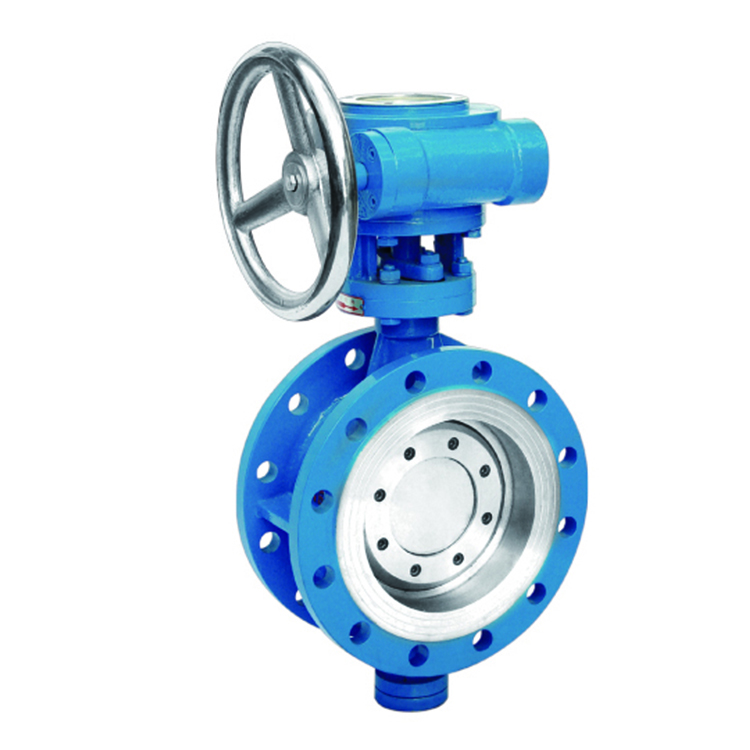
xxxxxx Raffinerie-Spezial
Klicken Sie auf die Schaltfläche “Bearbeiten”, um diesen Text zu ändern. Dies ist ein Testtext.
x
xxxxxx Erdöl-Spezial....
Klicken Sie auf die Schaltfläche “Bearbeiten”, um diesen Text zu ändern. Dies ist ein Testtext.
x
xxxxxx
Klicken Sie auf die Schaltfläche “Bearbeiten”, um diesen Text zu ändern. Dies ist ein Testtext.
x
xxxxxx
Klicken Sie auf die Schaltfläche “Bearbeiten”, um diesen Text zu ändern. Dies ist ein Testtext.
x
xxxxxx
Klicken Sie auf die Schaltfläche “Bearbeiten”, um diesen Text zu ändern. Dies ist ein Testtext.
x
Möchten Sie mit uns sprechen?
Möchten Sie mit uns sprechen?
Hinterlassen Sie Ihre Kontaktdaten und einer unserer Experten wird sich mit Ihnen in Verbindung setzen!
 German
  English
  Arabic
  French
  Spanish
  Italian
  Portuguese
  Russian