
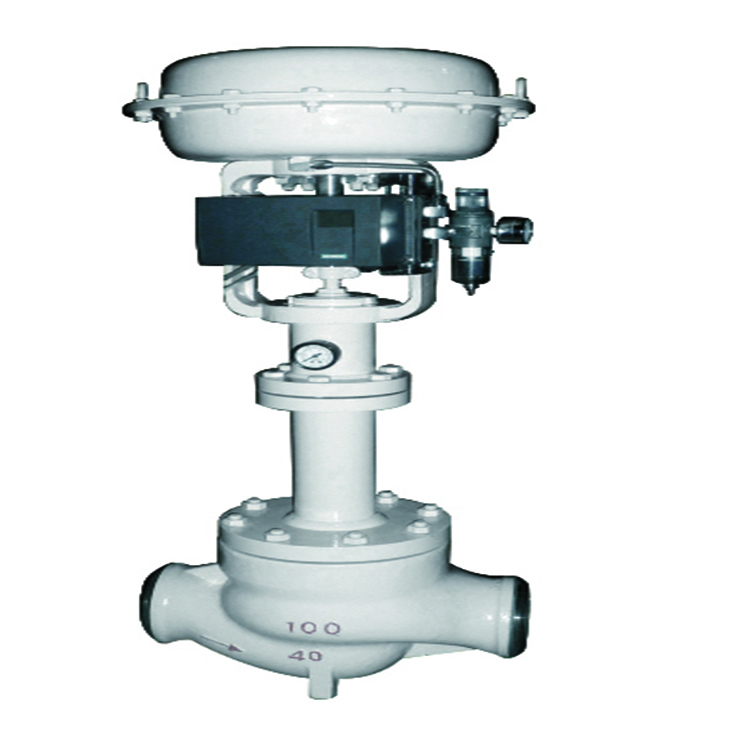
Anti Cavitation Control Valve selection starts with the service duty
A Anti Cavitation Control Valve is evaluated for modulating process control. A throttling element changes effective flow area in response to a control signal. Installed characteristic, Cv, pressure recovery, trim velocity and actuator resolution determine control quality.
Before quoting this configuration, close liquid pressure staging and cavitation-risk reduction and record all process, mechanical, operating and documentation assumptions.
Liquid pressure staging and cavitation-risk reduction. Provide inlet/outlet pressure, temperature, vapor pressure, critical pressure, flow range and allowable noise.
Treat this page as an engineering route, then verify the actual configuration, limits and evidence in controlled project documents.
Build the technical requirement before approving the model
Use the matrix to close decisions often hidden behind the short description “Anti Cavitation Control Valve.”
| Area di revisione | Domanda tecnica | Record richiesto |
|---|---|---|
| Sizing cases | Minimum, normal, maximum, startup and upset cases require verified fluid properties and pressures. | Make this requirement auditable through the order datasheet, design review and inspection plan. |
| Trim duty | Cavitation, flashing, choked gas flow, noise, erosion and rangeability must be evaluated. | Make this requirement auditable through the order datasheet, design review and inspection plan. |
| Attuatore | Required thrust or torque, fail action, stroking speed and utility supply must be coordinated. | Capture the selection basis, approved deviation if any and the record used for acceptance. |
| Accessori | Positioner, solenoids, limit switches, air set and hazardous-area requirements form one package. | State the measurable requirement and connect it to a drawing, procedure or test result. |
| Anti Cavitation | Provide inlet/outlet pressure, temperature, vapor pressure, critical pressure, flow range and allowable noise. | State the measurable requirement and connect it to a drawing, procedure or test result. |
Record exact standard designations and contract editions; resolve scope gaps and purchaser options before manufacture.
Dove questa configurazione potrebbe adattarsi e cosa può causarne il guasto
Do not size a control valve from pipe diameter alone; incorrect Cv can cause poor resolution, noise, cavitation or premature trim damage. Also review orientation, transients, cycling, contamination, access and consequences of internal or external leakage.
Make every critical claim traceable to the valve tag
A certificate or report is useful only when its scope traces to the actual tag, materials and configuration. Use the guida agli standard delle valvole to separate product, rating, dimensional, end-connection and test scope.
Base di progettazione
Approved datasheet, drawing, bill of materials, rating basis and documented deviations.
Identità del materiale
Tag-to-component material mapping with certificates, processing records and identity checks.
Ispezioni e test
Approved ITP, procedures, calibrated instruments, results, witness records and NCR closeout.
Anti-cavitation trim cannot prevent flashing when downstream pressure remains below vapor pressure.
Do not infer certification or guaranteed performance from this page. Accept only the order-specific evidence required by the purchaser.
RFQ inputs that remove avoidable assumptions
A useful RFQ combines process data, piping class, construction and materials, operator/actuator requirements, acceptance criteria and delivery documents.
For a Anti Cavitation Control Valve, also highlight liquid pressure staging and cavitation-risk reduction. Identify missing inputs and provisional selections so they can be closed before purchase order release.
Turn the datasheet into a clarified quotation basis
Share the datasheet, line class and evidence scope so open points and deviations can be resolved before order release.
Follow the product, application and inspection route
Anti Cavitation Control Valve questions
What information is required to select a Anti Cavitation Control Valve?
Provide the medium and composition, all pressure and temperature cases, nominal size, flow or differential pressure where relevant, required function, end connections, materials, shutoff criterion, operation, standards, inspection and documentation. For this configuration, the review must specifically address liquid pressure staging and cavitation-risk reduction.
Which standards apply to a Anti Cavitation Control Valve?
The answer depends on the product construction, project jurisdiction and purchaser specification. A product standard may cover design scope while separate standards govern pressure-temperature rating, dimensions, ends, pressure testing, fire safety, emissions or materials. Anti-cavitation trim cannot prevent flashing when downstream pressure remains below vapor pressure.
How should Anti Cavitation Control Valve pressure and leakage testing be specified?
Separate pressure-boundary, closure, functional and any special testing. Record the procedure, edition, duration, allowable leakage, intervention point and final evidence.
Can a Anti Cavitation Control Valve be supplied with an actuator?
Automation requires more than matching a mounting flange. Verify maximum load through travel, minimum supply, coupling/stem capacity, stops, controls and required failure response.
When should a Anti Cavitation Control Valve not be selected?
Do not select it when its qualified construction cannot satisfy the process, shutoff, materials, dynamics, maintenance or documentation requirements. Do not size a control valve from pipe diameter alone; incorrect Cv can cause poor resolution, noise, cavitation or premature trim damage. The alternative should be chosen only after comparing the complete service duty.
 Italian
  English
  German
  Arabic
  French
  Spanish
  Portuguese
  Russian