
Floating Ball Valve

Quick Advantages

Why Choose Floating Ball Valves

Designed for reliable shut-off, simple operation, and cost-effective performance in low to medium pressure industrial piping systems.

Simple Structure

A straightforward valve design with fewer major components, making it easy to use, maintain, and apply in standard industrial service.

Reliable Shut-Off

Line pressure helps push the ball against the downstream seat, providing dependable sealing performance in common on-off applications.

Cost-Effective Solution

An economical valve choice for water, oil, gas, utility, and other general industrial systems requiring practical shut-off control.

General Service Ready

Suitable for a wide range of low to medium pressure duties where compact design, easy operation, and dependable sealing are important.

steel hardness testing
Overview

What Is a Floating Ball Valve?

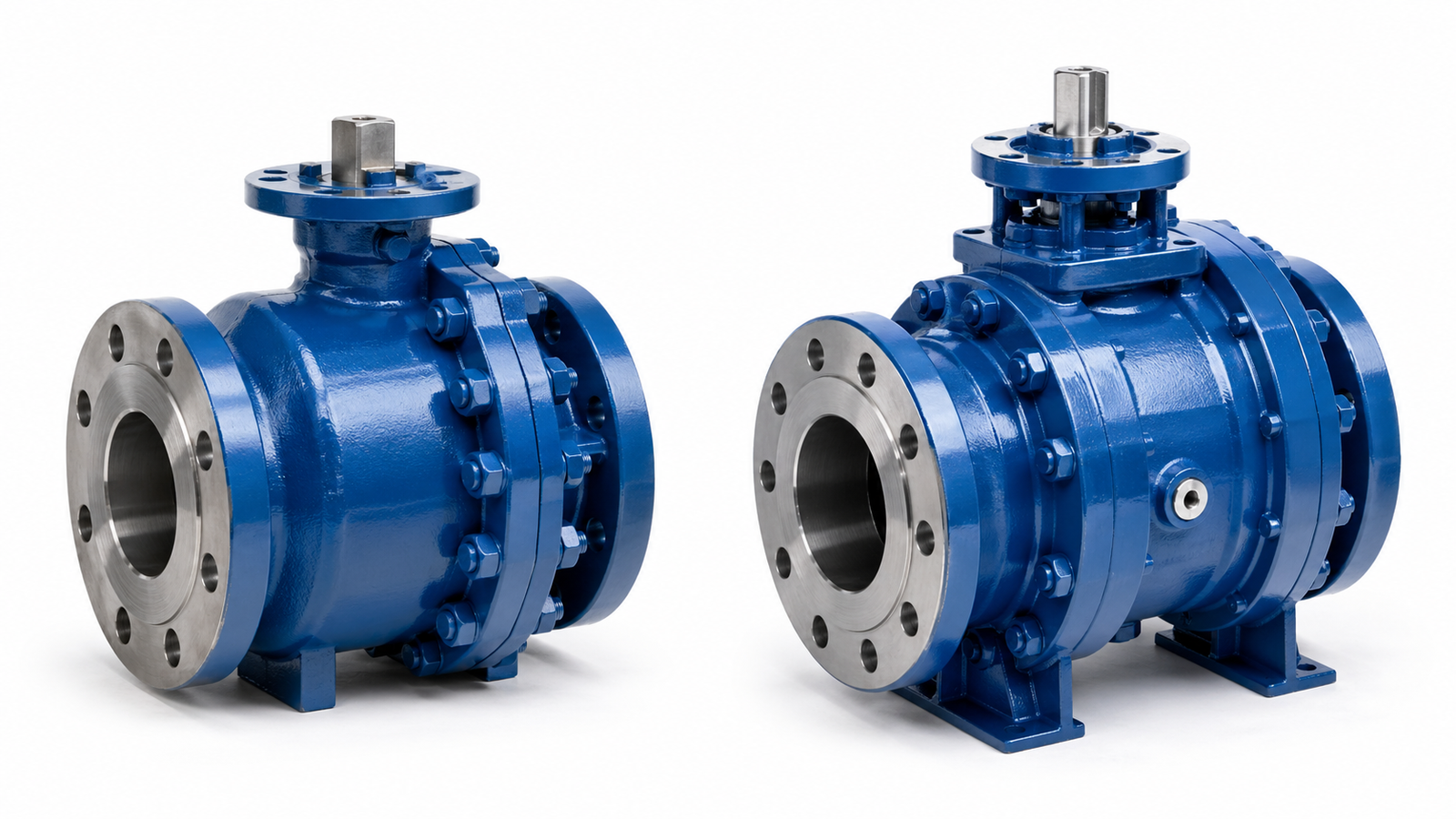
A floating ball valve is a quarter-turn shut-off valve in which the ball is supported by the seats and stem rather than fixed by trunnions. When the valve is closed, line pressure pushes the ball against the downstream seat to create a reliable sealing effect.


Because of its simple structure and dependable shut-off performance, floating ball valves are widely used in low to medium pressure piping systems for water, oil, gas, and many general industrial media.


Floating ball valves can be supplied in different body materials, seat options, end connections, and actuation methods to match project requirements, media conditions, and operating preferences.

Simple Structure

Designed with a straightforward internal structure for practical use, easy operation, and convenient maintenance in standard industrial service.

Reliable Shut-Off

Line pressure helps press the ball against the seat, providing dependable sealing performance in common on-off applications.

Flexible Options

Available in multiple materials, seat types, end connections, and actuation choices for different project needs.

Configurations

Available Floating Ball Valve Configurations

We supply floating ball valves in multiple body constructions, end connections, and operation options to match different industrial service requirements.

placeholder 32

2-PC Floating Ball Valve

A compact and widely used design for general industrial shut-off service, offering reliable sealing and practical cost performance.

placeholder 33

3-PC Floating Ball Valve

Designed for easier maintenance and convenient disassembly, making it suitable for systems that require regular service access.

placeholder 34

Flanged Floating Ball Valve

Suitable for industrial pipeline systems requiring standard flange connection, stable installation, and dependable on-off control.

placeholder 35

Actuated Floating Ball Valve

Available with pneumatic or electric actuator for remote operation, automated shut-off, and process control applications.

steel hardness testing
Key Features

Designed for Reliable Shut-Off and Efficient General Service

Floating ball valves combine simple internal structure, dependable sealing performance, and practical configuration flexibility, making them a reliable choice for water, oil, gas, utility, and other general industrial piping systems.

Simple Valve Structure

A straightforward internal design makes floating ball valves practical for daily use, easy operation, and convenient maintenance in standard service conditions.

Reliable Shut-Off

Line pressure helps push the ball against the downstream seat, providing dependable sealing performance in common on-off applications.

Quarter-Turn Operation

The valve opens and closes with a 90-degree turn, allowing fast operation and easy control for general pipeline service.

Cost-Effective Selection

An economical solution for buyers who need practical shut-off performance, broad applicability, and reliable supply for standard projects.

Flexible Materials and Ends

Available in multiple body materials, seat options, and end connections to match different media, pressure levels, and installation requirements.

Wide General Service Use

Suitable for water, oil, gas, utility lines, and many low to medium pressure industrial systems requiring dependable shut-off control.

Technical Specifications

Technical Specifications

Standard ranges can be adjusted according to project requirements, media conditions, pressure class, and applicable specifications.

Selection Overview

Floating ball valves are widely used in general industrial piping systems that require reliable shut-off, simple operation, and practical cost performance. Material selection, end connection, pressure rating, and seat type can be matched to actual service conditions.

Water, oil, gas, utility service, and other general industrial piping systems.

2-PC, 3-PC, flanged, threaded, and actuated floating ball valve options.

Materials, pressure class, connection type, and actuation package can be matched to project requirements.

Item

Specification

Valve Type

Floating Ball Valve

Size Range

DN15–DN200

Pressure Rating

PN16–PN64 / Class 150–300

Body Material

WCB, CF8, CF8M, Stainless Steel, Carbon Steel

Ball Material

Stainless Steel, CF8, CF8M

Seat Material

PTFE, RPTFE, PPL

Stem Material

Stainless Steel

Operation

Lever, Gear, Pneumatic, Electric

End Connection

Threaded, Flanged, Socket Weld, Butt Weld

Applicable Media

Water, Oil, Gas, General Industrial Fluids

Temperature Range

According to body material, seat type, and service condition

Standards

According to project specification and design requirement

Custom sizes, materials, pressure classes, and actuation packages are available upon request. Final specifications should be confirmed according to actual working conditions and project standards.

Materials & Seat Options

Material Choices for Different Service Conditions

Different material combinations help balance sealing performance, corrosion resistance, pressure capability, and service life for a wide range of industrial applications.

Seat Materials

Seat material directly affects sealing performance, media compatibility, operating temperature, and service life. Different seat options should be selected according to actual working conditions and shut-off requirements.

PTFE Seat

A widely used seat material for general service, offering dependable sealing performance for water, oil, gas, and many standard industrial fluids.

RPTFE Seat

Provides improved strength and wear resistance compared with standard PTFE, making it suitable for broader pressure and operating conditions.

PPL Seat

Suitable for service conditions requiring higher temperature resistance and more stable sealing performance in demanding applications.

Customized Seat

Seat materials can be matched according to medium type, operating temperature, pressure class, and project-specific sealing requirements.

Body Materials

Body materials are selected according to pressure level, corrosion allowance, installation environment, and project standard. Common options include carbon steel and stainless steel for general industrial service.

Disc Materials

Ball material affects corrosion resistance, durability, and shut-off reliability. Stainless steel ball options are commonly selected for dependable sealing performance and long-term service stability.

Applications

Typical Applications

Floating ball valves are widely used in low to medium pressure industrial systems where reliable shut-off, simple operation, and practical installation flexibility are required.

General Industrial Piping Systems

Floating ball valves are commonly used in utility lines, process piping, equipment skids, and plant systems because they provide dependable shut-off, easy operation, and cost-effective service performance.

Water Service

Suitable for clean water, utility water, and standard piping systems where dependable shut-off and straightforward operation are required.

Oil & Fuel Service

Used in many general oil and fuel handling lines where tight shut-off and practical valve selection are important.

Gas Piping

Applicable in general gas service systems where suitable materials, seat selection, and project specifications are properly matched.

Equipment Skid Packages

A practical choice for packaged systems and compact piping assemblies that require reliable on-off control and easy integration.

Application suitability depends on medium type, pressure level, temperature range, and material selection. Project-based recommendations can be provided upon request.

Actuation Options

Operation and Actuation Options

Floating ball valves can be supplied with manual or automated operation to match different control requirements, valve sizes, operating frequency, and project specifications.


The right actuation method depends on valve size, required operating torque, pipeline location, control mode, and whether local or remote operation is needed.

Available for basic shut-off duties, routine plant operation, and integrated control systems.

Actuation can be matched according to size, torque requirement, service condition, and control preference.

Complete valve and actuator assemblies can be supplied for easier installation, commissioning, and procurement coordination.

Lever Operated

Best for smaller sizes and standard on-off service where quick manual operation and simple structure are preferred.

Gear Operated

Recommended for larger sizes or applications where smoother manual control and reduced operating effort are required.

Pneumatic Actuated

Suitable for fast automated opening and closing in industrial systems where responsive shut-off control is important.

Electric Actuated

Ideal for remote operation, automated process control, and installations requiring stable motorized valve actuation.

Actuation options can be configured according to valve size, torque requirement, control method, installation condition, and project specification.

Why Choose Raymon Valve

Custom Configuration

Body material, seat type, end connection, and actuation options can be matched to project requirements.

Standards Support

Suitable for common international valve standards and project specification requirements.

Documentation Support

Basic technical files, inspection documents, and product-related information can be provided upon request.

Fast Response

Quick follow-up for RFQ, product selection questions, and floating ball valve inquiry requirements.

Featured Products

Featured Floating Ball Valve Products

Explore selected floating ball valve models for different end connections, body constructions, and operation requirements.

placeholder 36

2-PC Floating Ball Valve

A compact and widely used valve solution for general industrial shut-off service, offering reliable sealing and practical cost performance.

placeholder 37

3-PC Floating Ball Valve

Designed for easier maintenance and convenient disassembly, suitable for systems that require regular service access.

placeholder 38

Flanged Floating Ball Valve

Suitable for industrial piping systems requiring standard flange connection, stable installation, and dependable on-off control.

placeholder 39

Actuated Floating Ball Valve

Available with pneumatic or electric actuator for remote operation, automated shut-off, and process control applications.

FAQ

Frequently Asked Questions

Common questions about floating ball valve selection, configuration, materials, and application.

What is the difference between a floating ball valve and a trunnion ball valve?

A floating ball valve uses line pressure to push the ball against the downstream seat for sealing, while a trunnion ball valve uses a mechanically supported ball structure. Floating ball valves are commonly used for low to medium pressure service and general industrial applications, while trunnion designs are often preferred for higher pressure or larger sizes.

They are widely used in water, oil, gas, utility piping, equipment skid packages, and many general industrial service systems that require reliable shut-off and simple operation.

Common seat materials include PTFE, RPTFE, and PPL. The right seat option depends on medium type, operating temperature, pressure condition, and sealing requirement.

Yes. Floating ball valves can be supplied with pneumatic or electric actuators for automated operation, remote control, and process system integration.

Floating ball valves are generally used in low to medium pressure applications. For higher pressure, larger sizes, or more demanding service conditions, a trunnion mounted ball valve may be a more suitable option.

Selection should be based on valve size, pressure rating, medium type, operating temperature, end connection, seat material, and whether manual or automated operation is required.

Scroll to Top

Contact us

Please fill out this form with a brief description of your issue and we will get back to you as soon as possible.