
Lined and Plug Valves for Corrosive and Process Services
This category brings together lined valve designs and plug valves used where chemical compatibility, tight shutoff, operating torque and contamination control must be evaluated as one selection problem.
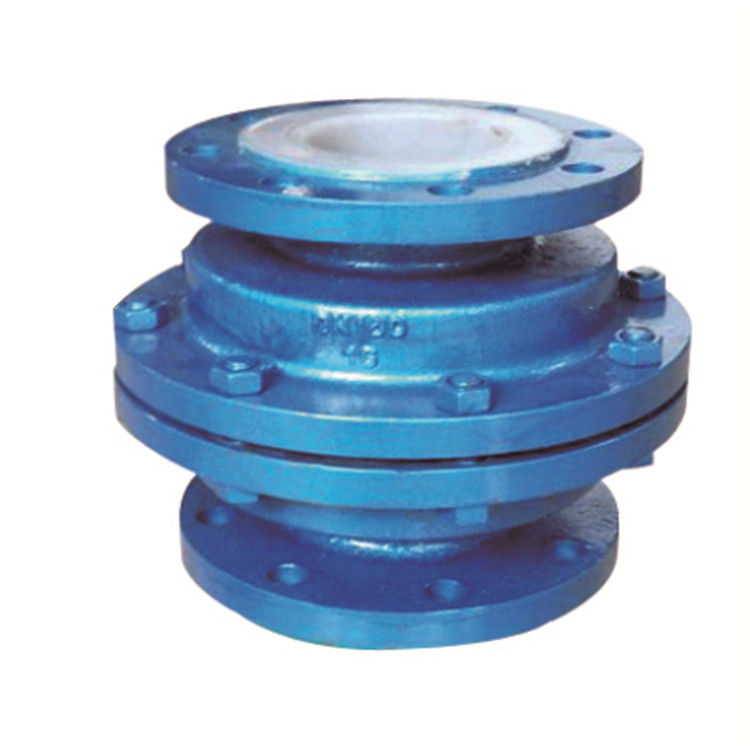 Lining + sealing system + operating design
Select the valve design and the wetted-material system together
A lining name alone is not enough. The review should consider fluid composition and concentration, temperature, pressure or vacuum, permeation risk, cycling, static control, cavity exposure and cleaning requirements.
Lined and plug valve configurations in this cluster
Dedicated product pages will be added after specifications, materials and images are verified.
PTFE / PFA Lined Valves
A family-level route for corrosion-resistant lined constructions.
Plug Valve
Quarter-turn isolation designs selected around plug, sleeve or lubrication system.
Lined Ball Valve
Full-bore or reduced-bore isolation with lining continuity reviewed at interfaces.
Lined Butterfly Valve
Compact lined construction for suitable chemical and utility services.
Lined Plug Valve
Plug-valve geometry combined with a corrosion-resistant wetted-material system.
PFA Lined Valve
PFA-lined configurations evaluated against the actual service envelope.
Lubricated Plug Valve
Pressure-balanced or conventional arrangements where sealant compatibility matters.
Sleeved Plug Valve
Non-lubricated sleeve-seated isolation selected for the medium and cycling duty.
How to screen a lined or plug valve application
Chemical compatibility is only the first gate. Pressure, temperature, vacuum, torque, cycling and construction details can change the acceptable choice.
| Configuration | Primary selection questions | Items requiring verification |
|---|---|---|
| Fully lined valve | Is the lining compatible across concentration, temperature, pressure and vacuum? | Lining continuity, thickness/specification, exposed metal, permeation and test method |
| Sleeved plug valve | Does the sleeve and sealing arrangement suit the medium and cycling duty? | Operating torque, sleeve material, adjustment, thermal effects and shutoff requirement |
| Lubricated plug valve | Is sealant injection acceptable and chemically compatible with the service? | Sealant type, injection system, maintenance access, pressure balance and operating procedure |
| Lined ball or butterfly valve | Does the geometry support the required isolation or control duty? | Seat/disc/ball interfaces, cavity exposure, shaft/stem seals and operating torque |
Final suitability must be confirmed using the actual chemical composition, operating envelope and manufacturer configuration data.
Data needed for a useful technical quotation
Provide both the process chemistry and the mechanical design conditions.
Lined and plug valve FAQ
Is PTFE or PFA automatically suitable for every corrosive fluid?
No. Suitability depends on the complete chemical composition, concentration, temperature, pressure or vacuum, permeation behavior and the specific valve construction.
What is the difference between a sleeved and lubricated plug valve?
A sleeved plug valve relies on a sleeve as part of the sealing system, while a lubricated design uses sealant in the sealing arrangement. The correct choice depends on service, leakage, torque and maintenance requirements.
Which standards should be specified?
The applicable design, end-connection, face-to-face and testing standards depend on the valve type and project specification. Confirm current editions and applicability during technical review.
Why must vacuum conditions be declared?
Vacuum can affect liner behavior and configuration suitability. It should be included with temperature, pressure and cycling data during selection.
Send the full medium composition and operating envelope
We will use the supplied datasheet to review the valve type, wetted-material system, operation and document scope.
Select the complete wetted system from chemistry, temperature and mechanical duty
A liner trade name or corrosion chart is only a screening input. Permeation, vacuum, thermal cycling, mechanical load and every exposed component must be reviewed.
Chemical-process engineers, material specialists and project buyers.
Corrosion-resistant valve commercial investigation. Search-volume data is not asserted without connected GSC or keyword-tool evidence.
| Decision | Why it changes the offer | Recommended review route | Evidence to request |
|---|---|---|---|
| Chemical envelope | Concentration, impurities and cleaning media can change compatibility. | List every fluid and operating state. | Composition and temperature matrix |
| Liner behavior | Permeation, cold flow, blistering and collapse are system risks. | Confirm liner material, thickness, anchoring and vacuum scope. | Liner specification and qualification |
| Plug sealing route | Lubricated, sleeved and lined plugs manage torque and leakage differently. | Match sealing architecture to media and maintenance practice. | Cross-section and seal/lubricant data |
| Containment | Stem seals, gaskets and vent paths may be weaker than the liner. | Review every wetted and external leakage interface. | Material list and sealing details |
Three realistic contexts to test the specification
These are illustrative engineering decision scenarios—not named customer projects, installed-performance claims or promises of suitability.
Decision pressure: Small chemistry or temperature changes can invalidate a lining choice.
Engineering route: Use a complete chemical matrix and verify exposed trim.
Decision pressure: Permeation and external corrosion can dominate lifecycle risk.
Engineering route: Review liner, stem sealing, venting and maintenance controls.
Decision pressure: An unqualified liner may collapse or detach under vacuum and heat.
Engineering route: Confirm vacuum rating, venting and thermal cycle.
Evidence that should exist before technical approval
Send fluid composition, temperature, vacuum and cleaning cases
Mark confirmed inputs, preliminary assumptions and open questions separately so the first review can focus on risk.
 English
  German
  Arabic
  French
  Spanish
  Italian
  Portuguese
  Russian