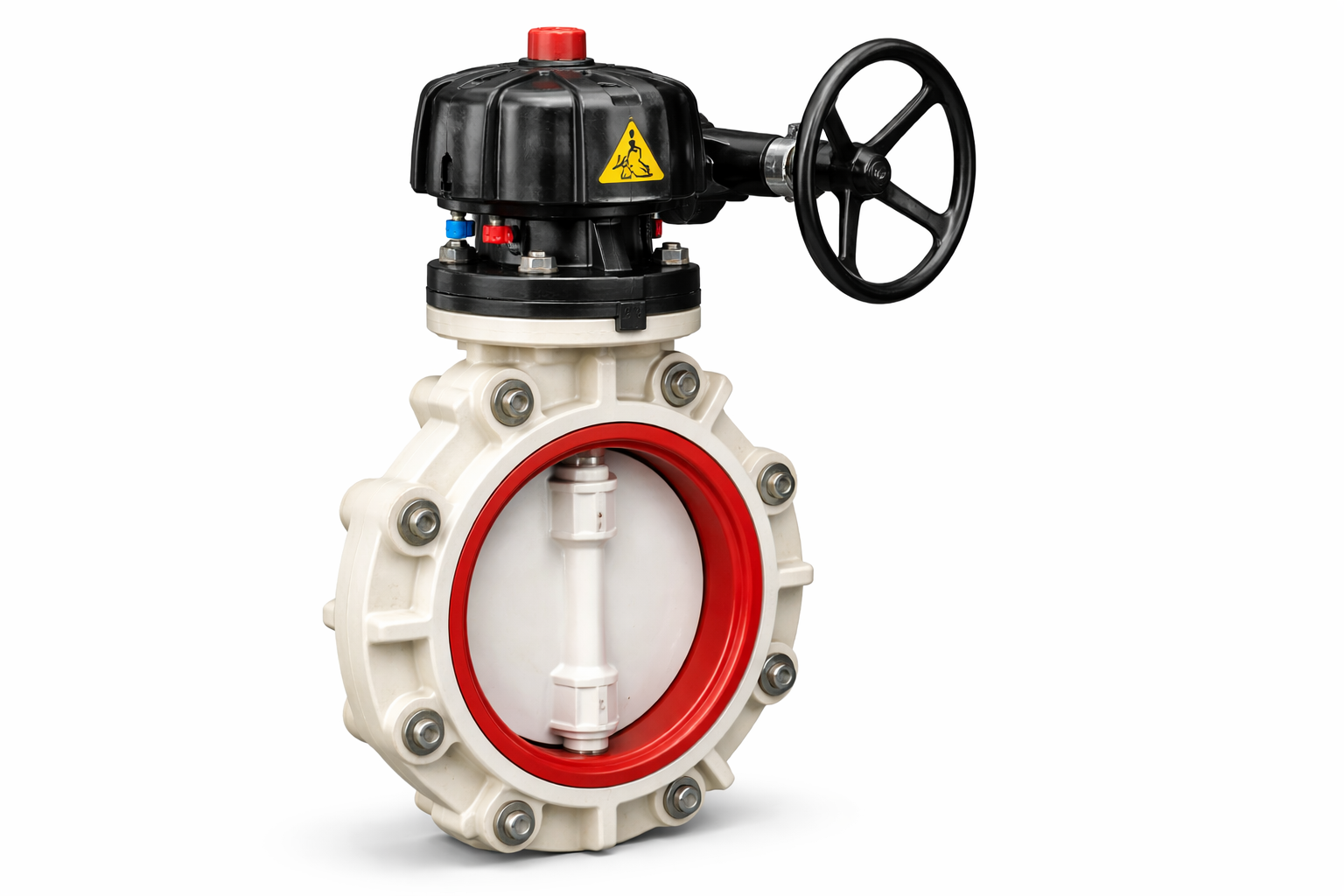
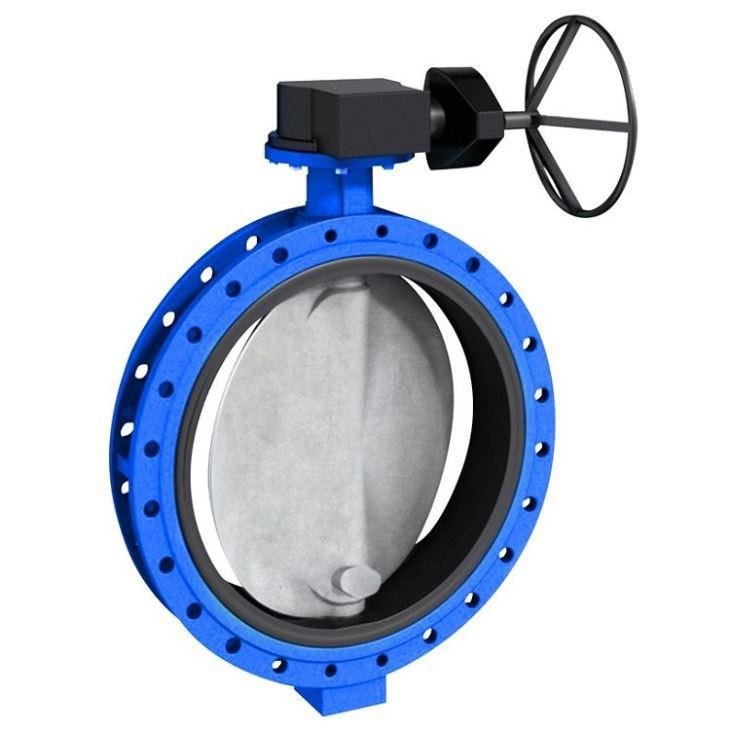
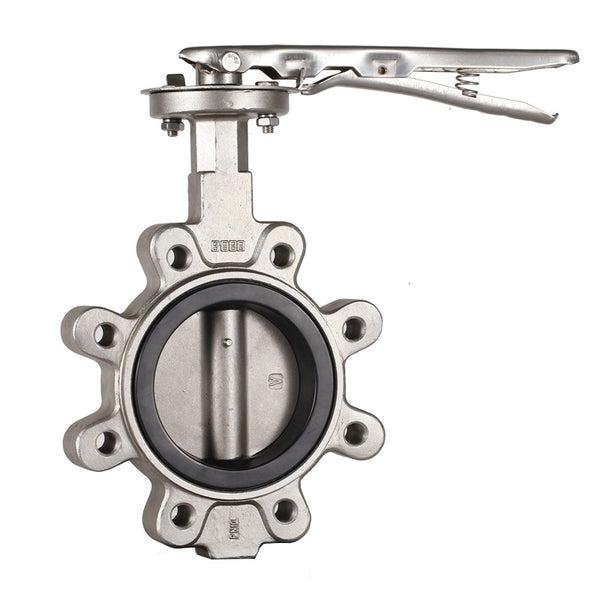
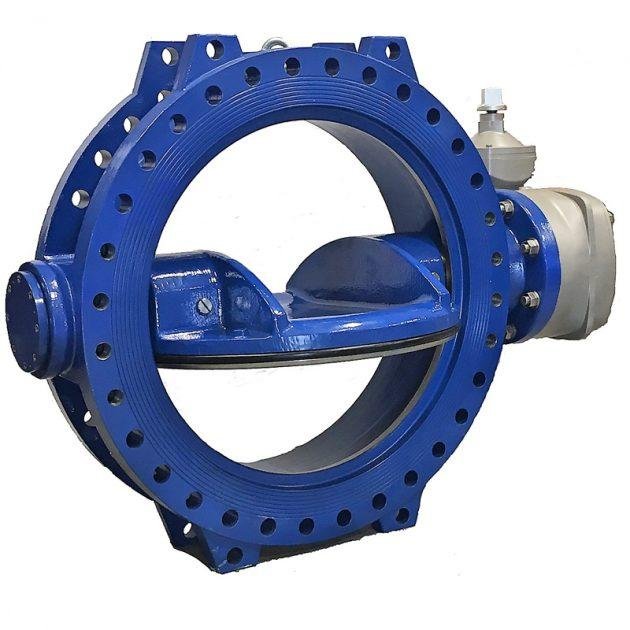
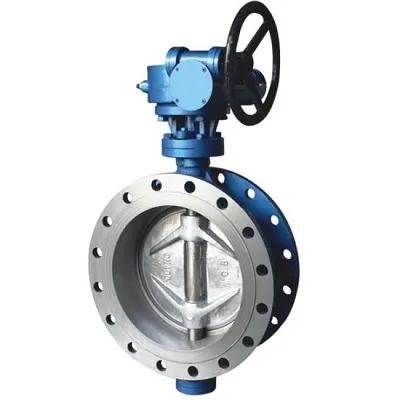
Butterfly valves

Industrial Valve Solutions

Industrial Butterfly Valves Manufacturer & Supplier

Raymon Valve supplies wafer, lug, flanged, soft seated, metal seated, high performance and triple offset butterfly valves for water treatment, oil & gas, chemical processing, power generation, HVAC and general industrial applications.

Browse butterfly valves by design, sealing type, end connection, actuation method and working condition.

Wide Size Range
Soft & Metal Seated Options
Manual, Pneumatic & Electric Actuation
Custom Valve Solutions Available
Size Range
DN40–DN2000+
Pressure Rating
PN10 / PN16 / PN25 / Class 150 / Class 300
Seat Options
EPDM / NBR / PTFE / Metal Seat
Standards
API / ANSI / DIN / BS / JIS / GB
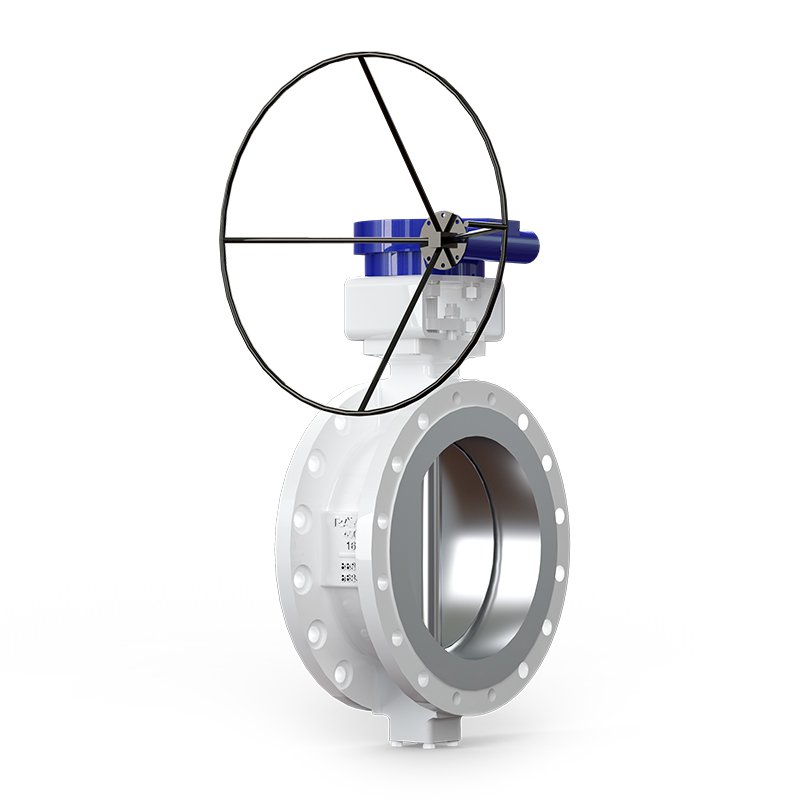
BUTTERFLY VALVES category
Quick Valve Finder

Find the Right Butterfly Valve for Your Application

Use the quick links below to explore butterfly valves by sealing design, connection type, actuation method or service condition.

Sealing Type

Soft Seated Butterfly Valves

Reliable shut-off performance for water, HVAC, air and general utility service.

Severe Service

Metal Seated Butterfly Valves

Designed for high temperature, abrasive media and demanding industrial conditions.

Connection Type

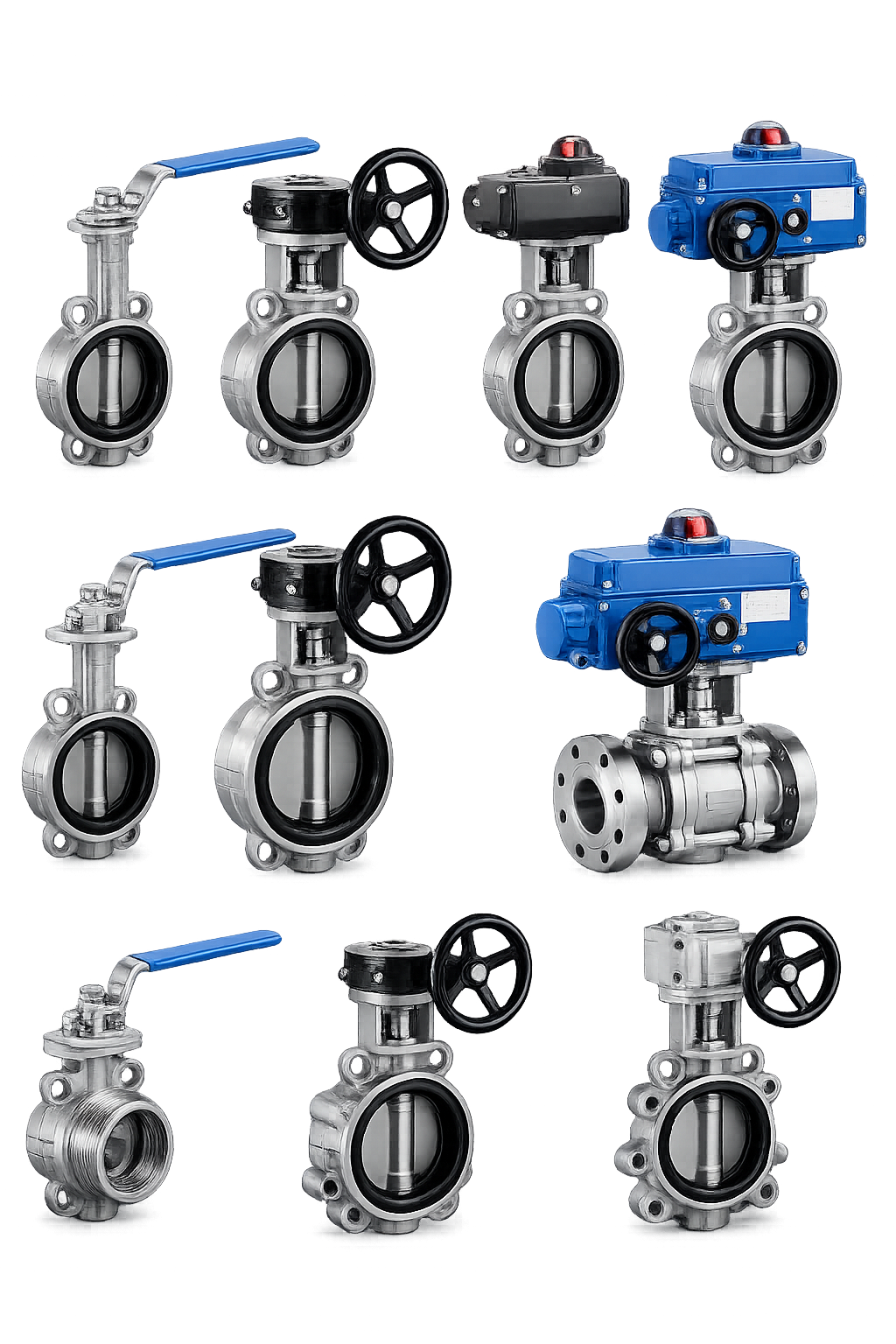
Wafer Butterfly Valves

Compact and economical valves for installation between flanges in space-saving systems.

Maintenance Friendly

Lug Butterfly Valves

Suitable for dead-end service and easier downstream maintenance in industrial pipelines.

Robust Installation

Flanged Butterfly Valves

A stronger connection option for larger sizes and more demanding pipeline systems.

Automation

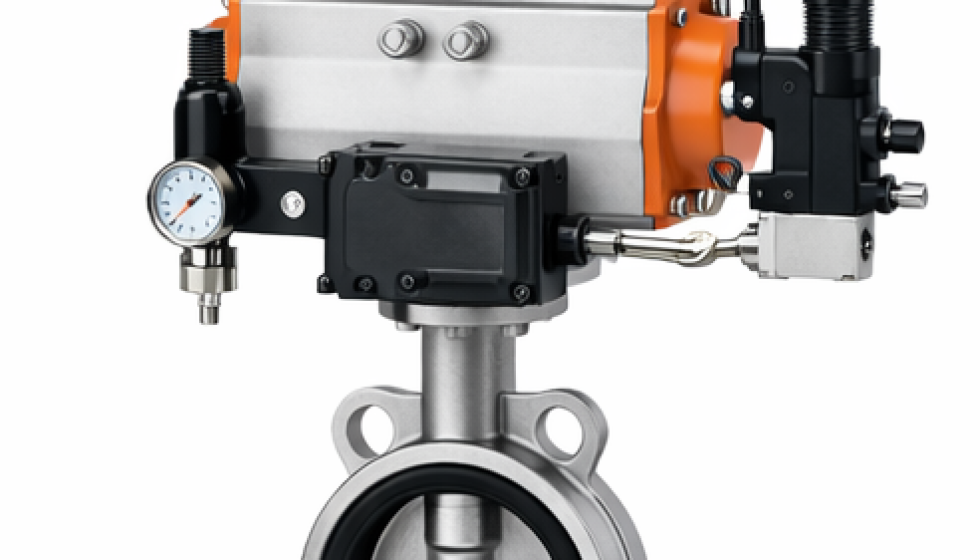
Actuated Butterfly Valves

Available with pneumatic and electric actuators for automated process and control systems.

Butterfly Valve Categories

Browse Our Industrial Butterfly Valve Range

Raymon Valve offers a full range of butterfly valves for shut-off, throttling and automated flow control across general, corrosive, high temperature and project-specific applications.

Explore butterfly valve categories by application scope, sealing type, automation requirement and custom project demand.

01

General Service
General Purpose Butterfly Valves

Cost-effective butterfly valves for water, HVAC, building services and general industrial pipelines.

02

Tight Shut-Off
Soft Seated Butterfly Valves

Excellent sealing performance with resilient seat materials for clean and mildly corrosive media.

03

Severe Duty
Metal Seated Butterfly Valves

Engineered for higher temperatures, higher pressures and more severe service conditions.

04

Municipal & Pipeline
Large Diameter Butterfly Valves

Designed for municipal water supply, drainage, water conservancy and large-scale pipeline projects.

05

Automation
Actuated Butterfly Valves

Pneumatic and electric butterfly valves for remote control, automated lines and process systems.

06

Project Customization
Custom Butterfly Valve Solutions

Custom materials, seat options, end connections, actuation packages and project-based specifications.

By Structure & Sealing Design

Choose the Right Butterfly Valve by Sealing Performance and Service Requirement

Different butterfly valve designs offer different levels of shut-off performance, wear resistance, torque demand and temperature capability. Explore the main structure and sealing categories below to identify the most suitable solution for your operating conditions.

Selection Logic

Match Valve Design to Media, Temperature and Duty Level

From economical centerline designs to high performance and triple offset solutions, the right butterfly valve structure depends on sealing demand, cycle frequency, system pressure and service severity.

General Utility                        Centerline / Soft Seated
Higher Pressure                                 High Performance
High Temperature                                       Triple Offset
Low Torque Need                         Soft Seated Options
Economical Design
Centerline Butterfly Valves

A compact and economical design widely used in water systems, utility lines and general-purpose shut-off applications.

Typical Use
Water, Utility, HVAC

01

Tight Shut-Off
Soft Seated Butterfly Valves

Ideal for clean water, air and mild service conditions where reliable sealing and low torque are required.

Typical Use
Clean Media, Low Torque Duty

02

Higher Pressure Capability
High Performance Butterfly Valves

Double offset butterfly valves with improved sealing performance, reduced seat wear and higher pressure capability.

Typical Use
Process Systems, Higher Duty Service

03

Severe Service
Triple Offset Butterfly Valves

Metal seated butterfly valves for high temperature, severe service, refinery, power and process applications.

Typical Use
High Temperature, Frequent Cycling

04

By End Connection Type

Select Butterfly Valves by Installation Method

Choose the end connection type that best fits your pipeline layout, maintenance requirement and project standard. Different installation methods affect service flexibility, structural strength and system compatibility.

Compact Systems
Wafer Type
Maintenance Access
Lug Type
Heavy Duty Pipelines
Flanged Type
Project Customization
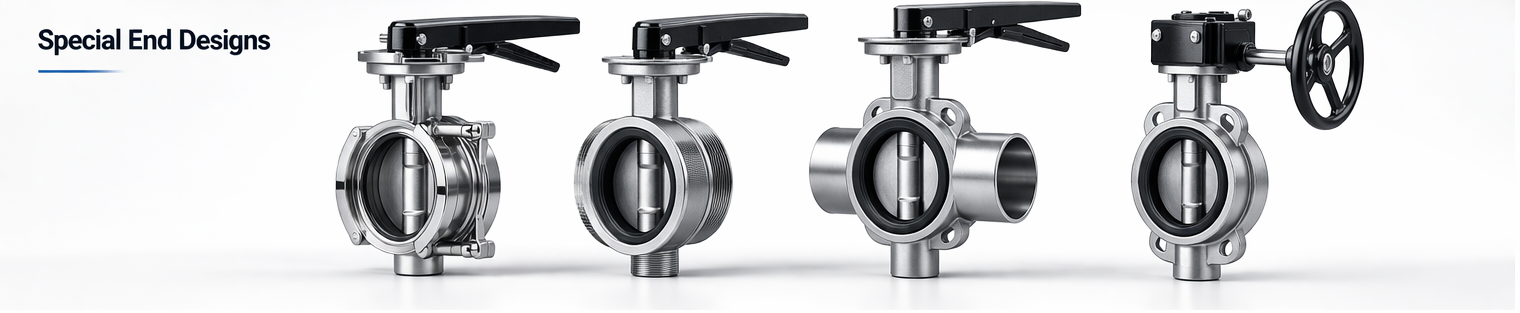
Special End Designs

微信图片 20260414160531 173 46
Wafer Butterfly Valves

Designed for compact installation between flanges. A common option for space-saving systems and general industrial service where economical layout and installation efficiency are priorities.

Typical Use
Water, HVAC, Utility Service
微信图片 20260414160600 174 46
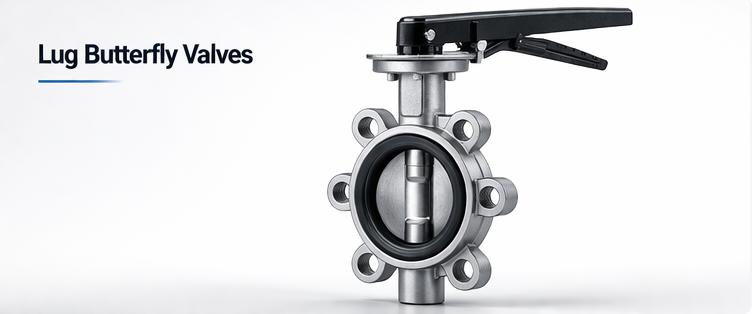
Lug Butterfly Valves

Suitable for dead-end service and easier line isolation during maintenance or downstream equipment replacement.

Typical Use
Industrial Pipelines, Process Systems
微信图片 20260414160619 175 46
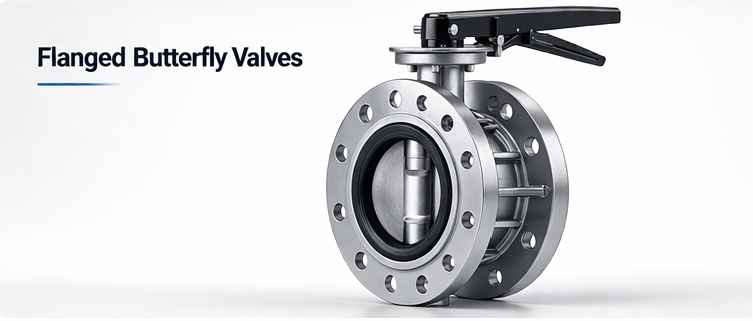
Flanged Butterfly Valves

A stronger and more robust connection style often selected for larger sizes and more demanding municipal or industrial applications.

Typical Use
Municipal Water, Large Pipelines
微信图片 20260414160643 176 46
Special End Designs

Custom end connections are available for project-specific requirements, international standards and special installations across export and industrial valve applications.

Availability
Options Available on Request
By Operation & Actuation.

Manual and Automated Butterfly Valve Solutions.

Raymon Valve supplies butterfly valves for both standard manual operation and fully automated industrial control systems. Choose the actuation method that best matches your operating frequency, control requirement and project environment.

Basic Shut-Off
Manual Operation
Fast Automation
Pneumatic Actuation
Remote Control
Electric Actuation
Project Integration
Custom Packages
微信图片 20260414165724 178 46
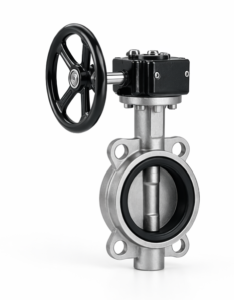
Manual Butterfly Valves

Available with lever handle or worm gear operation for reliable on-off service, simple field control and economical installation in general industrial pipelines and utility systems.

Typical Use
Water, HVAC, Utility and General Shut-Off Duty
微信图片 20260414165746 180 46
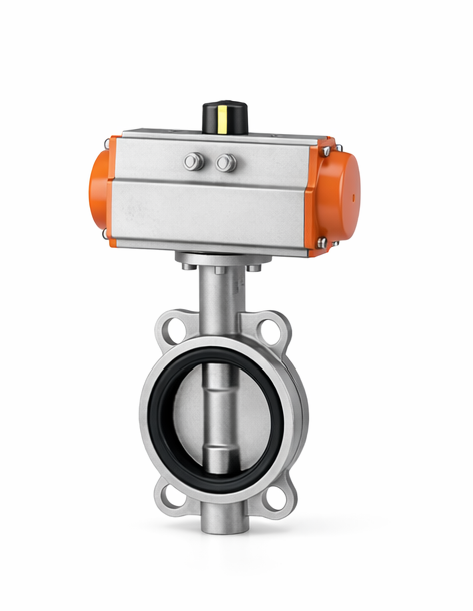
Pneumatic Butterfly Valves

Fast-response butterfly valves for automated process lines, remote shut-off and integration with industrial air-powered control systems.

Typical Use
Process Systems, Fast Cycling, Remote Shut-Off
微信图片 20260414165802 181 46
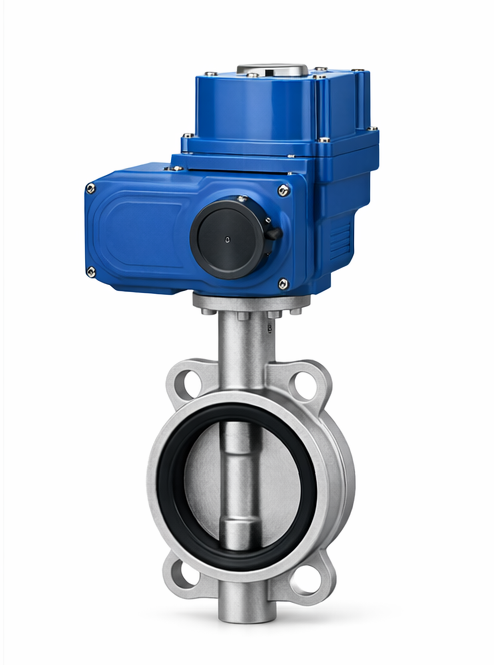
Electric Butterfly Valves

A practical solution for remote operation, intelligent control and building or process automation systems where stable electric actuation is required.

Typical Use
Building Automation, Utility Control, Process Lines
Custom Actuation Packages

Actuator, positioner, limit switch, solenoid valve and control accessories are available according to project requirements, control logic and installation conditions.

Available Options
Pneumatic Actuator, Electric Actuator, Positioner, Limit Switch, Solenoid Valve
微信图片_20260414165822_183_46
By Operation & Actuation.

Manual and Automated Butterfly Valve Solutions.

Raymon Valve supplies butterfly valves for both standard manual operation and fully automated industrial control systems. Choose the actuation method that best matches your operating frequency, control requirement and project environment.

Selection Focus

Choose the Right Valve by Media, Temperature and Duty Level

Working condition has a direct impact on valve structure, seat design, torque demand, material choice and expected service life. Evaluate the conditions below before selecting a butterfly valve for your project.
Media Chemistry          Corrosive / Abrasive / Clean
Temperature Range Ambient to High Temperature
Operation Need       Low Torque / Frequent Cycling
System Scale     Utility to Large Diameter Pipelines
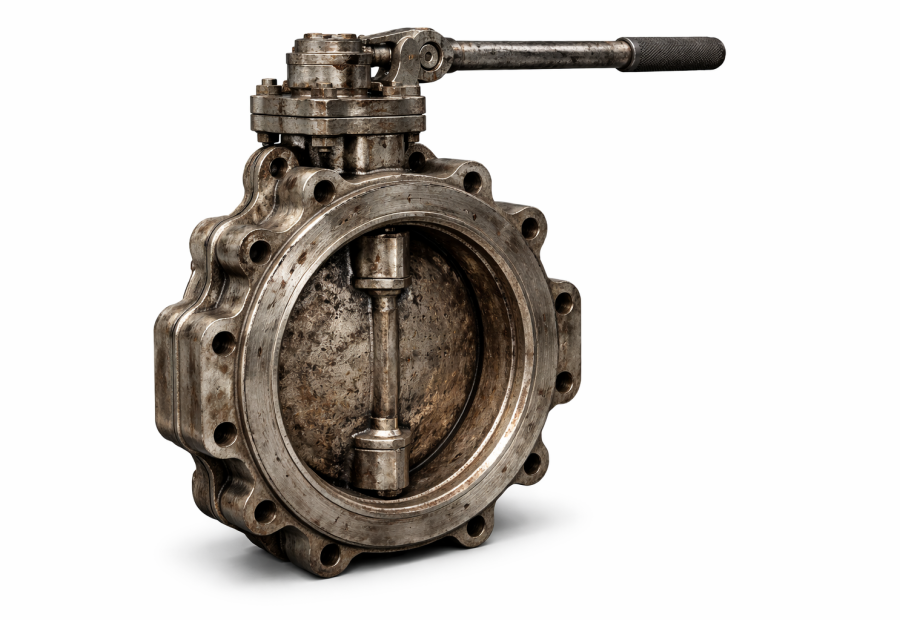
High Temperature Service

Metal seated and offset butterfly valve designs for elevated temperature applications where resilient seats may not provide adequate durability or sealing stability.

Recommended Design Direction
Metal Seated, High Performance, Triple Offset
pro3 3
3373e26f 413d 4257 af81 3743503e5e22
Corrosive Media

PTFE lined, stainless steel and corrosion-resistant material options for aggressive service environments and chemical handling systems.

Typical Focus
PTFE Lining, Stainless Steel, Anti-Corrosion Materials
801fdac1-c366-43cb-acc1-36273c4c8218
Abrasive Media

Durable valve structures and seat options for wear-prone applications, suspended solids and media that can damage standard sealing surfaces.

Typical Focus
Wear Resistance, Reinforced Sealing, Stronger Structure
下载
Large Diameter Water Service

Butterfly valves for municipal water supply, water treatment, irrigation and long-distance distribution systems with large pipeline diameters.

Typical Focus
Large Diameter, Flanged Design, Municipal Water Duty
shopping
Low Torque Operation

Seat and disc designs that reduce operating torque for easier manual operation or smoother actuator-driven performance in daily shut-off and control duty.

Typical Focus
Lower Operating Force, Easier Manual Control, Better Actuation Match
Severe Service Applications
Special designs for high pressure, frequent cycling and more demanding industrial operating conditions where durability and sealing reliability are critical.
Typical Focus
High Pressure, Frequent Cycling, Severe Duty Design
2eccb31a 1caa 4c58 a7fe b39644fbc971
01
Introduce

what is a Butterfly valve

Butterfly valve, also known as flap valve, is a rotary valve that uses a disc-shaped closing member to rotate about 90 degrees to open and close the valve. The butterfly valve can be used for both adjustment and sealing. Butterfly valve has the advantages of simple structure, not easy to produce thermal deformation, relatively small resistance, rapid opening and closing, low opening and closing power, good sealing performance, long life and so on. Butterfly valve can transport water, sewage, various liquids, air, gas and other gases, as well as dry powder, mud and other mixtures. 
D341H国标法兰式蝶阀Butterfly valve
D641H国标法兰式蝶阀

What is a Butterfly valve used for?

Butterfly valves are suitable for circulating all kinds of water and some fluid media at normal temperature and pressure. For example, our domestic water pipelines, fire water pipelines, circulating water pipelines, sewage pipelines [etc.], can use butterfly valves as flow control and regulation. In addition, some powder, oil, mud medium pipelines can also use butterfly valves. Even butterfly valves can be used in ventilation ducts. If you are not sure about your working conditions and which butterfly valve to choose, welcome to consult  Raymon butterfly valve supplier 
02
Introduce
03
Introduce

how does a Butterfly valve work

A butterfly valve is a valve that opens and closes according to a rotating valve stem, which drives a disc plate to rotate. In the cylindrical channel of the butterfly body, the disc rotates around an axis, mainly rotating the plate 90 degrees. When the flow control disc reaches 90 degrees, the valve is fully opened, and the medium flow can be adjusted by changing the angle of the valve. Usually installed in the diameter direction of the pipe. Butterfly valves and stems themselves do not have a locking function. In order to effectively control the flow, a worm gear reducer is required. The butterfly valve with worm gear reducer can not only automatically lock the butterfly valve, but also change the working performance of the butterfly valve and adjust the medium flow more accurately. 

Butterfly Valve Structure​

The structure of the butterfly valve is quite simple, which is composed of the valve body, the valve stem, the butterfly plate, and the sealing ring, and the closing part of the butterfly valve is called the valve disc or the butterfly plate, and its shape is disc-shaped.
1. Butterfly valve has very distinctive characteristics, that is, it has the characteristics of simple structure, small volume, light weight, very small installation size and very fast switching. The butterfly valve can also be used to cut off, connect and adjust the medium in the pipeline, which shows that the butterfly valve has very good fluid control and closed sealing.
The main structural characteristics of the butterfly valves are:
2. Under the condition of low pressure, the butterfly valve can also achieve very good sealing characteristics, and can also be used when transporting mud, while the amount of liquid accumulated in the pipe mouth of the butterfly valve is very small, so it has a very good adjustment performance .3. Because the butterfly valve adopts a streamlined design, it can reduce the degree of damage to the resistance of the fluid. In this way, the butterfly valve can also be regarded as an energy-saving product.
4. After quenching and tempering, the valve stem of the butterfly valve also has very good comprehensive mechanical properties, and has good corrosion resistance and scratch resistance, because the valve stem of the butterfly valve is a through-rod structure.
5. There are many connection methods of butterfly valve, which can realize manual, turbine transmission, electric, pneumatic, hydraulic and electro-hydraulic linkage and other driving forms, and can realize remote control and automatic operation. 
Butterfly Valve Structure​

How to determine the size of the butterfly valve

The diameter of the butterfly valve is described in the form of DN.
For example, DN100 means a butterfly valve with a diameter of 100 mm, which usually represents the inner diameter of the valve. The orifice is usually marked on the body and nameplate of the butterfly valve and can be observed. If you want to replace the old butterfly valve, the surface of the old butterfly valve is rusted and the diameter of the butterfly valve cannot be directly identified. You can remove the valve and measure it with a ruler.
Second, the dimension usually mentioned in the butterfly valve is the structural length, also called the butterfly valve thickness. The long dimension of the structure does not usually appear on the model, valve and nameplate, so the designer must agree with the manufacturer. Some people ask about the standard parts of the butterfly valve and the structural length corresponding to the size of the caliber. In addition, although the butterfly valve standard is not false, there are many standards for butterfly valves,  including: national standard, German standard, American standard, Japanese standard [etc.], which can be different according to the length of the standard structure. In addition, some pipes are special, requiring the manufacturer to specially design the structural length to meet the requirements. 
04
Introduce
05
Introduce

How to Install a Butterfly valve

Butterfly valve installation, operation and maintenance guide

Supporting tools and corresponding protective gear should be prepared before installing the butterfly valve.
The installation of the butterfly valve on the pipeline firstly uses two screws to penetrate into two symmetrical flange holes respectively, and install two nuts on the screws on the inside of the flange, and then rotate the nuts to the outside to connect the two flanges.
The spacing between them increases until they are slightly wider than the length of the seat structure. Twist the valve handle in both positive and negative directions to check whether the valve opens and closes normally. Slowly install the closed valve into the predetermined position. Carefully confirm that the butterfly
valve is flush with the pipeline, the two flange bosses and the outer edge of the valve body. Whether it is uniform, if it is not uniform, it must be corrected, otherwise when the valve is opened, the valve plate will be damaged and the valve will be scrapped. Align the four bolt holes on the valve with the bolt holes on the flange, then insert the two screws into the two flange holes with symmetrical positions, and install the flat washer, spring washer nut on the outside of the flange, and bolts at both ends. The ammo pads must be installed, otherwise the changes in ambient temperature will cause the bolts to loosen, resulting in water leakage at the flange. Tighten the bolts diagonally one by one, and tighten all the nuts symmetrically and evenly in turn. Be sure to tighten them gradually and repeatedly until the flange sealing surface is in complete contact with the metal valve body and the rubber valve seat is completely compressed and invisible. The installation of the butterfly valve is complete. 
D341H美标法兰式蝶阀
气动高性能蝶阀

Butterfly valve application scenarios

Generally, in throttling, regulating control and mud medium, short structure length and fast opening and closing speed (1/4 revolution) are required. Low pressure cut-off (small differential pressure), butterfly valve is recommended. Butterfly valve can be used in two-position adjustment, constricted channel, low noise, cavitation and gasification, a small amount of leakage to the atmosphere, and abrasive medium. When the butterfly valve is used for throttling adjustment under special working conditions, or requiring strict sealing, serious wear, low temperature (cryogenic) and other working conditions, it is necessary to use a specially designed metal sealing belt adjustment device for triple eccentric or double eccentric. The centerline butterfly valve is suitable for fresh water, sewage, sea water, salt water, steam, natural gas, food, medicine, oil and various products that require complete sealing, zero leakage in gas test, high life expectancy, and working temperature between -10°C and 150°C. Soft-sealed eccentric butterfly valve is suitable for two-way opening and closing and adjustment of ventilation and dust removal pipelines, and is widely used in gas pipelines and waterways of metallurgy, light industry, electric power, and petrochemical systems.
Metal to metal wire sealed double eccentric butterfly valve is suitable for urban heating, gas supply, water supply and other gas, oil, acid and alkali pipelines, as a regulating and throttling device. In addition to being used as a program control valve for a large pressure swing adsorption (PSA) gas separation device, the metal-to-metal surface sealing triple eccentric butterfly valve can also be widely used in petroleum, petrochemical, chemical, metallurgy, electric power and other fields. 
06
Introduce

OEM & ODM Raymon Butterfly valve Applications

D341F衬氟法兰式蝶阀

D341F Fluorine Lined Flanged Butterfly Valve - Recommended for Chemical Industry

As a component used to realize the on-off and flow control of the pipeline system, the fluorine-lined flange butterfly valve is widely used in the petroleum field. Suitable for various concentrations of aqua regia, sulfuric acid, hydrochloric acid, hydrofluoric acid and various organic acids, strong acids, strong oxidants at -50℃~150℃, FEP flange lined fluorine butterfly valve is suitable for various concentrations of strong alkali organic solvents And other corrosive gas, liquid medium pipeline use.

HBD741X(H) Hydraulic Controlled Slow Closing Check Butterfly Valve

HBD741X(H) Hydraulic Controlled Slow Closing Check Butterfly Valve-Recommended for power station industry

The hydraulically controlled slow-closing check butterfly valve is also a relatively good pipeline control equipment in China. It is mainly installed at the turbine inlet of the hydropower station industry and used as the turbine inlet valve. Therefore, since the hydraulically controlled slow-closing check butterfly valve has been developed, it has replaced the functions of the gate valve and the check valve. Through the preset opening and closing procedures, in this way, the reliable cut-off of the pipeline is realized, the water hammer of the pipeline is effectively eliminated, and the safety of the pipeline system is protected.

Butt welding type triple eccentric hard seal butterfly valve

D363H Butt Welded Metal Hard Seat Butterfly Valve-Recommended for metallurgical industry

D363H butt welding hard sealing butterfly valve is widely used in metallurgy, electric power, petrochemical industry, water supply and drainage and municipal construction and other industrial pipelines with medium temperature ≤425℃. It adopts precise J-shaped elastic sealing ring and triple eccentric multi-layer metal hard sealing structure, which is used for regulating flow and load-cutting fluid. The valve seat and disc sealing surface are made of different hardness and stainless steel, which have good corrosion resistance. Long life, the valve has bidirectional sealing function

NKD943X双密封真空蝶阀

NKD943X double seal vacuum butterfly valve-recommended for chemical and pharmaceutical industries

NKD343X double-sealed vacuum butterfly valve is a new generation of high-tech products successfully developed by our company in combination with new vacuum technology standards at home and abroad.

The valve structure is designed as: double butterfly plate, double sealing seat, three-dimensional eccentric locking structure, cobalt-based hard alloy surfacing on the sealing surface of the valve body, and the sealing ring is made of temperature-resistant, corrosion-resistant rubber and fluorine rubber pressure plate firmly sealed Pressed on the butterfly plate can be removed and replaced for easy maintenance

上装式双向高压金属硬密封蝶阀

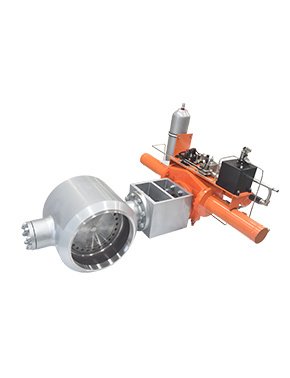
Top Entry Type Two-way High Pressure Metal Hard Seal Butterfly Valve-Recommended for Petroleum Industry

The top-mounted two-way high-pressure metal hard-sealed butterfly valve has the advantages of simple structure, low cost, convenient maintenance, and does not affect the normal operation of the pipeline system during maintenance.

Strength customers​

Butterfly Valves: Ultimate Guide​

Butterfly valves get their name from the shape and movement of the valve plug. The valve plug is butterfly-shaped, and the valve stem passes through the valve plug, reminiscent of a butterfly. To stop fluid flow, the valve disc rotates 90 degrees on the normal channel where the pipe runs, like butterfly wings.

Is a butterfly valve a control valve?
Yes, it is a kind of regulating valve with simple structure.
Which valve is best for throttling?
The butterfly valve can be opened or closed only by rotating 90°, so the speed of opening and closing is fast. Between 15 and 70°, it has approximate logarithmic flow characteristics and good adjustment performance.
Can the butterfly valve be used for throttling?
Yes, the function of the butterfly valve is to cut off and throttle on the pipeline.
What are the types of butterfly valves?
Butterfly valves can be divided into segment type and adjustment type according to their use, and can be divided into midline type, single eccentric, double eccentric and triple eccentric butterfly valves according to their structure… 

Butterfly valves can be divided into segment type and adjustment type according to their use, and can be divided into midline type, single eccentric, double eccentric and triple eccentric butterfly valves according to their structure. .

1- For the first tail the method of shutting off the ball valve and the throttle valve is different as the ball valve blocks the channel through the ball to realize the interruption flow of the pipeline. The butterfly valve relies on the wing of the butterfly and the pipeline will not flow if it is stretched and sealed.

2- The second important difference is that the structure of the ball valve and the valve are not the same. The ball valve consists of the valve body, the valve core and the valve stem, and only some parts are visible in the body. Inevce, the butterfly valve consists of valve body, valve seat, valve plate and valve stem and all accessories are visible. Therefore, it can be seen that the sealing performance of the butterfly valve is not as good as that of the ball valve. Butterfly valves are also divided into soft seals and hard seals. The structure of the butterfly valve is relatively simple, it can only be used in low pressure environment, the maximum pressure is only 64kg. Compared with the ball valve, the ball valve can reach up to about 100 kilograms.

3- The third difference lies in the operating system of the ball valve and the butterfly valve. The ball valve has a 90 degree rotation action, precisely because its opening and closing part is a ball, it can only be opened or closed by operating a 90 degree rotation, which is the most suitable for switching. But now the V-shaped ball valve can be used to regulate or control the flow. The butterfly valve is a type of valve that uses a disc type opening and closing element to oscillate approximately 90 ° to open, close or regulate the flow of fluid. It has a good flow regulating function and is one of the fastest growing valve varieties.

PRINCIPLE

A butterfly valve, also known as a flap valve, is a kind of regulating valve with a simple structure. It can also be used for on-off control of low-pressure pipeline medium, mainly for cutting off and throttling. The butterfly valve is usually less than 90° from fully open to fully closed. The butterfly valve and the butterfly stem have no self-locking ability. For the positioning of the butterfly plate, a worm gear reducer should be installed on the valve stem. The use of worm gear reducer can not only make the butterfly plate have self-locking ability, so that the butterfly plate can stop at any position, but also improve the operation performance of the valve.
The gate valve is an opening and closing gate, which is controlled by the up and down movement of the valve plate to control the opening of the valve. The movement direction of the gate is perpendicular to the direction of the fluid. The gate valve can only be fully opened and fully closed, and it is mainly used for cutting off in the pipeline. Most gate valves are forcibly sealed, that is, when the valve is closed, the gate must be forced against the valve seat by external force to ensure the tightness of the sealing surface.
STRUCTURE
Butterfly valve is mainly composed of valve body, butterfly plate, valve stem, sealing ring and transmission device.
Valve body
The valve body is cylindrical, and the upper and lower parts each have a cylindrical boss for installing the valve stem. Butterfly valves and pipelines are mostly connected by flanges; if they are connected by clips, their structural length is the smallest.
Valve stem
The valve stem is the rotating shaft of the butterfly plate, and the shaft end adopts the packing box sealing structure, which can prevent the leakage of the medium. The upper end of the valve stem is directly connected with the transmission device to transmit torque. Butterfly plate The butterfly plate is the opening and closing part of the butterfly valve. The gate valve is generally composed of valve body, valve seat, valve stem, gate plate, valve cover, and sealing ring. It can be transformed into a variety of electric gate valves and pneumatic gate valves by equipping the transmission device and gate valve.
Flow characteristic curves The gate valve has small resistance and good shut-off, good airtightness after closing, less internal leakage, but not conducive to flow regulation, often used for shut-off of main pipes.
The butterfly valve has small size, combined with the advantages of globe valve and ball valve. The shape of the valve disc can be adjusted to design valves with different flow characteristics, and it has good shut-off performance, large pipe diameter, and a wide range of applications, including hot water and cold water.
APPLICATION
Gate valve is one of the commonly used shut-off valves. It is mainly used to connect or cut off the medium in the pipeline, and is not suitable for regulating the flow of the medium. Butterfly valve is suitable for a wide range of pressure, temperature and diameter, especially for medium and large diameter pipelines.
Butterfly valve is suitable for pipelines conveying various corrosive and non-corrosive fluid media in engineering systems such as producer, coal gas, natural gas, liquefied petroleum gas, city gas, hot and cold air, chemical smelting and power generation environmental protection, building water supply and drainage, etc. The characteristics of the industrial butterfly valve are high temperature resistance, high applicable pressure range, large nominal diameter of the valve, carbon steel for the valve body, and metal ring instead of rubber ring for the sealing ring of the valve plate. Large high temperature butterfly valve is made of steel plate welding, mainly used for flue air duct and gas pipeline of high temperature medium.Generally speaking, in order to reduce the soil covering depth of the pipeline in the water supply network, butterfly valves are generally selected for pipes with larger diameters.
For those with little influence on the soil covering depth, gate valves should be selected, but the price of gate valves of the same specification is higher than that of butterfly valves. As for the demarcation line of caliber, it should be considered on a case-by-case basis. From the perspective of use in the past ten years, the failure rate of butterfly valves is higher than that of gate valves, so it is worthy of attention to expand the scope of use of gate valves when conditions permit.
INSTALLATION & MAINTENANCE
Gate valve installation and maintenance
o The handwheel, handle and transmission mechanism are not allowed to be used for lifting, and collision is strictly prohibited
o The double gate gate valve should be installed vertically, that is, the valve stem is in a vertical position and the handwheel is at the top
o The gate valve with a bypass valve should open the bypass valve before opening to balance the pressure difference between the inlet and outlet and reduce the opening force
o The gate valve with transmission mechanism shall be installed according to the provisions of the product instruction manual
o If the valve is frequently switched on and off, lubricate it at least once a month
Butterfly valve installation and maintenance
o During installation, the valve disc should stop in the closed position
o The opening position should be determined according to the rotation angle of the butterfly plate
o For butterfly valves with bypass valves, the bypass valve should be opened before opening
o It should be installed according to the manufacturer’s installation instructions. For butterfly valves with heavy weight, a firm foundation should be set up.
 

Butterfly valves are lighter, smaller and lighter than other types of control valves and are the best choice for regulating flow in many applications. Traditionally, standard butterfly valves have been used for automatic on/off applications and they are well suited for this role. However, some engineers consider them unacceptable when regulating flow in closed-loop systems.

Butterfly valves use rotating discs to control flow through pipes. The disc usually rotates 90 degrees, so it is sometimes called a quarter turn valve. Usually, they are used when economy is considered. When tight shutoff is required, butterfly valves with soft elastomeric seals and/or coated discs can be used to provide the required performance. High Performance Butterfly Valves (HPBVs) – or Double Offset Butterfly Valves – are now the industry standard for butterfly control valves and are widely used for throttling control. They are useful for applications with relatively constant pressure drop or slow process cycles.The advantages of HPBV include a straight flow path, high capacity, and the ability to easily pass through solid and viscous media. They generally have the lowest installed cost of all valve types, especially in NPS 12 and larger sizes. Their cost advantage over other types of valves has resulted in a dramatic increase in valve sizes over 12 inches. They provide good shut-off performance over a wide temperature range and are available in different body designs including wafer, lug and double flange. They are much lighter in weight and more compact than other types of valves.
v2 8ccb62d37a062ff5b6213ea12ccce4d1 720w
(For example, a 12-inch ANSI Class 150 double-flange segmented ball valve weighs 350 pounds and has a face-to-face dimension of 13.31 inches, while a 12-inch drag butterfly valve weighs only 200 pounds and has a face-to-face dimension of 3 inches.)
 

Limitation of butterfly valve

Butterfly valves do have limitations that make them unsuitable for flow control in certain applications.
Compared to globe valves, they have limited pressure drop capability and have a greater potential for cavitation or flashing. Standard butterfly valves are generally not used in high pressure applications because the larger surface area of the disc acts like a lever, applying the power of the flowing medium to the drive shaft. If so, actuator size and selection becomes critical.
Butterfly control valves can sometimes be oversized, which can negatively impact process performance. This may be due to the use of line-sized valves, especially high-capacity butterfly valves. It can increase the variability of the process in two ways. First, oversizing increases the gain of the valve, while lacking flexibility in adjusting the controller. Second, oversized valves may work more frequently at lower valve openings, while butterfly valves may have more sealing friction. Because an oversized valve produces a disproportionately large flow change for a given increment of valve travel, this phenomenon greatly exaggerates the process variability associated with deadband due to friction. Specifiers sometimes use butterfly valves for economic reasons or to fit a given line size without considering their limitations. There is a tendency to oversize butterfly valves so as not to undersize pipes, which can lead to poor process control. The biggest limitation is that the ideal throttle control range is not as wide as a globe valve or segmented ball valve. Butterfly valves generally do not perform well in the control range of about 30% to 50% open.

How to obtain the best control performance

Typically, the loop is easiest to control when the control loop operates in a linear fashion and the process gain is close to unity. Therefore, a process gain of 1.0 becomes a target for good loop control, with an acceptable range of 0.5 to 2.0 ( 4:1 range).
The best performance is obtained when most of the loop gain comes from the controller. Process gain defines the relationship between process output and input change. A stroke where the process gain remains between 0.5 and 2.0 is the optimum control range for the valve. When the process gain is not in the 0.5 to 2.0 range, poor dynamic performance and loop instability can occur.
The design of the butterfly valve disc has a great effect on the flow of the valve as the valve goes from closed to open. Disks with inherent percentage characteristics can better compensate for changes in pressure drop as flow changes. Equal percent trim will provide linear mounting characteristics for varying pressure drops, which is ideal. The result is a more precise, one-to-one change between flow and valve travel.
Butterfly valves have recently become available for discs with inherent equal percentage flow characteristics. This provides mounting characteristics that allow the mounting process gain to be in the desired 0.5 to 2.0 range over a wide travel range. This significantly improves throttle control, especially in the lower driving range.
This design provides good control with an acceptable gain of 0.5 to 2.0 from approximately 11% opening to 70%, a nearly three-fold increase in control range compared to a typical high performance butterfly valve (HPBV) of the same size. Therefore, equal percentages of disks provide overall lower process variability.
Butterfly valves with inherent equal percentage characteristics, such as control disc valves, are ideal for processes that require precise throttling control performance. They can be controlled closer to the target set point without process disturbance, reducing process variability.

How to improve control

If the butterfly valve is not performing well, simply replacing it with an appropriately sized valve will fix the problem. For example, a paper company is using two oversized butterfly valves to control the removal of moisture from pulp. Both valves were operated at less than 20% stroke, resulting in process variations of 3.5% and 8.0%, respectively. They spend most of their life in manual mode. Two appropriately sized NPS 4 Fisher Control-Disk butterfly valves with digital valve controllers were installed. These loops are now running in automatic mode, increasing the process variability from 3.5% to 1.6% for the first valve and from 8% to 3.0% for the second valve without any special loop tuning . Poor water pressure and flow control in the steel plant’s coolant system resulted in inconsistent end products.
The nine installed HPBVs were unable to effectively control the water flow as required. The plant wanted to install valves that could better control the process and needed to keep installation costs to a minimum. If each valve is switched from HPBV to segmented ball valve, the factory will spend $10,000 for pipe replacement. Instead, we recommend its control disc butterfly valve to fit current HPBV face-to-face dimensions. A control disc valve was tested side-by-side with one of nine existing HPBVs and met specified requirements.
The plant replaced the remaining eight HPBVs within a year, each with a control disc valve, saving the $90,000 in pipe replacement costs for segmented ball valves, which cost about 25 percent more relative to butterfly valves.
Control disc valves provide precise control and help eliminate end-product variability. The mill is estimated to have installed nine control disc valves, resulting in annual savings of about $1 million.
CONCLUSION
The initial installation cost of an HPBV with a digital positioner is lower than most other valve types, and when properly sized can provide adequate control range. They have high capacity and minimal flow restrictions. Butterfly valves with inherently equal percent adjustment offer the opportunity to extend the control range, similar to globe or ball valves, and take up only the space of an HPBV. When selecting valves, especially HPBVs, make sure they are the correct size, otherwise they may be manually controlled from the control room. It is important to consider the style, inherent characteristics and valve size of the valve that will provide the greatest range of control for the application. 
Yes, when installing the butterfly valve, it is necessary to install a flat washer and a spring washer nut on the outside of the flange, and spring washers must be installed at both ends of the bolt, otherwise the change in ambient temperature will cause the bolt to loosen, resulting in water leakage at the flange. 
Yes, the main function of the butterfly valve is to cut off and throttle.
Butterfly valve inspection shell test
First, open the butterfly valve to the half-open and half-closed position, then place the butterfly valve on the test bench, seal it with a gland, and clamp it with three claws. Then the pressure tester pressurizes to 1.5 times the nominal pressure of 2.4 mpa, and maintains the pressure for one minute at this time. Check whether there is leakage around the shell, and finally check whether the pressure gauge has leakage. If there is no leakage, the shell inspection is qualified.
Butterfly valve sealing test
Open the butterfly valve to the half-open and half-closed position, then place the butterfly valve on the test bench, seal it with a gland, clamp it with three claws, pressurize it, and fill it with water. Close the valve and drain off excess water to avoid affecting seal detection. Add 18kg to the pressure tester and keep the pressure for one minute. The third-party inspection personnel will supervise the inspection on site, check whether the seal is leaking, confirm that the inspection is correct, drain the pressure, and open the valve. Loosen the three claws, remove the gland, take out the valve, seal without leakage, and complete the test. 


In the earliest days, the butterfly valve was an ordinary flap valve with a very single function. It could only be used to control the size of the water flow, and the pressure it could withstand was very small. With the advancement of science and technology, the manufacturing process of butterfly valves has become more and more mature, and there are more and more types of butterfly valves, which also enables butterfly valves to be used in different types of working conditions. How much pressure can butterfly valves withstand?According to the pressure of the valve, we divide the valve into vacuum valve, low pressure valve, medium
pressure valve, high pressure valve, ultra-high pressure valve and so on. Therefore, butterfly valves can also be classified according to pressure.
1. The working pressure of the vacuum butterfly valve is lower than the standard atmospheric pressure butterfly valve.
2. Butterfly valve with nominal pressure PN < 1.6MPa.
3. The medium pressure butterfly valve is a butterfly valve with a nominal pressure PN of 2.5- 6.4MPa.
4. The high-pressure butterfly valve is a butterfly valve with a nominal pressure PN of 10.0- 80.0MPa.
5. Ultra-high pressure butterfly valve with nominal pressure PN>100MPa. 

Butterfly valves should be the cheapest, followed by ball valves and gate valves, and then globe valves are relatively expensive.

Scroll to Top

Contact us

Please fill out this form with a brief description of your issue and we will get back to you as soon as possible.