
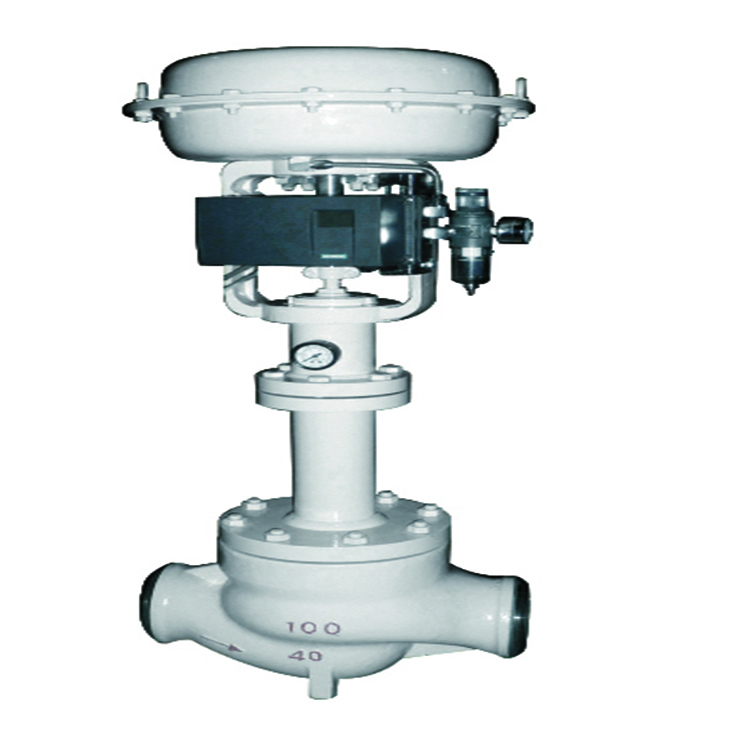
Define the application boundary for Angle Control Valve
A Angle Control Valve is evaluated for modulating process control. A throttling element changes effective flow area in response to a control signal. Installed characteristic, Cv, pressure recovery, trim velocity and actuator resolution determine control quality.
The product name narrows the route but does not complete the specification. Resolve 90-degree body flow path, piping loads and erosion or flashing exposure together with the medium, operating cases, piping interface, maintenance and evidence.
90-degree body flow path, piping loads and erosion or flashing exposure. Define flow direction, pressure drop, phase, velocity, piping loads, drainage and maintenance access.
Treat this page as an engineering route, then verify the actual configuration, limits and evidence in controlled project documents.
Connect each selection decision to a controlled record
Record the question, accepted answer and proof so the Angle Control Valve proposal can be audited across disciplines.
| Review area | Engineering question | Required record |
|---|---|---|
| Sizing cases | Minimum, normal, maximum, startup and upset cases require verified fluid properties and pressures. | Capture the selection basis, approved deviation if any and the record used for acceptance. |
| Trim duty | Cavitation, flashing, choked gas flow, noise, erosion and rangeability must be evaluated. | Freeze the accepted value in the tag datasheet and verify it on the approved drawing. |
| Actuator | Required thrust or torque, fail action, stroking speed and utility supply must be coordinated. | Freeze the accepted value in the tag datasheet and verify it on the approved drawing. |
| Accessories | Positioner, solenoids, limit switches, air set and hazardous-area requirements form one package. | Name the controlling document, responsible reviewer and inspection or calculation record. |
| Angle | Define flow direction, pressure drop, phase, velocity, piping loads, drainage and maintenance access. | State the measurable requirement and connect it to a drawing, procedure or test result. |
A standard title alone is not acceptance. Map its scope, edition and required evidence to the valve tag.
Service conditions that can change or reject the selection
Do not size a control valve from pipe diameter alone; incorrect Cv can cause poor resolution, noise, cavitation or premature trim damage. Installed behavior can be governed by flow dynamics, deposits, operating frequency, maintenance access and the response to abnormal conditions.
Define the manufacturing and test proof before release
Evidence should identify the supplied configuration, revision, heat or lot and applicable test procedure. Use the valve standards guide to separate product, rating, dimensional, end-connection and test scope.
Design basis
Tag requirements, design review, materials list and approved exception register.
Material identity
Tag-to-component material mapping with certificates, processing records and identity checks.
Inspection and tests
Inspection releases, controlled test methods, instrument identity, measurements and final acceptance.
The body turn can concentrate velocity and erosion; geometry must suit the process case.
Qualification, testing and material suitability are conditional on the approved scope and supplied records for the actual configuration.
Information needed for a tag-level technical offer
Send tag identity, quantity, fluid, all design and operating cases, line interface, function, flow data, materials, operation, testing, inspection and turnover scope.
For a Angle Control Valve, also highlight 90-degree body flow path, piping loads and erosion or flashing exposure. Identify missing inputs and provisional selections so they can be closed before purchase order release.
Ask for a configuration tied to the real duty
Send the valve list and project requirements. Raymon Valve will identify missing inputs, clarify construction and return an order-specific quotation basis.
Continue the selection review
Angle Control Valve questions
What information is required to select a Angle Control Valve?
Provide the medium and composition, all pressure and temperature cases, nominal size, flow or differential pressure where relevant, required function, end connections, materials, shutoff criterion, operation, standards, inspection and documentation. For this configuration, the review must specifically address 90-degree body flow path, piping loads and erosion or flashing exposure.
Which standards apply to a Angle Control Valve?
The answer depends on the product construction, project jurisdiction and purchaser specification. A product standard may cover design scope while separate standards govern pressure-temperature rating, dimensions, ends, pressure testing, fire safety, emissions or materials. The body turn can concentrate velocity and erosion; geometry must suit the process case.
How should Angle Control Valve pressure and leakage testing be specified?
Define the test configuration and measurable acceptance rather than requesting a generic factory test. Include calibrated instruments, valve position, pressure direction and tag-linked results.
Can a Angle Control Valve be supplied with an actuator?
Yes when the valve/actuator interface and load cases are engineered together. Define safe state, utility loss, speed, frequency, accessories, feedback, interlocks and assembly-level testing.
When should a Angle Control Valve not be selected?
Do not select it when its qualified construction cannot satisfy the process, shutoff, materials, dynamics, maintenance or documentation requirements. Do not size a control valve from pipe diameter alone; incorrect Cv can cause poor resolution, noise, cavitation or premature trim damage. The alternative should be chosen only after comparing the complete service duty.
 English
  German
  Arabic
  French
  Spanish
  Italian
  Portuguese
  Russian