
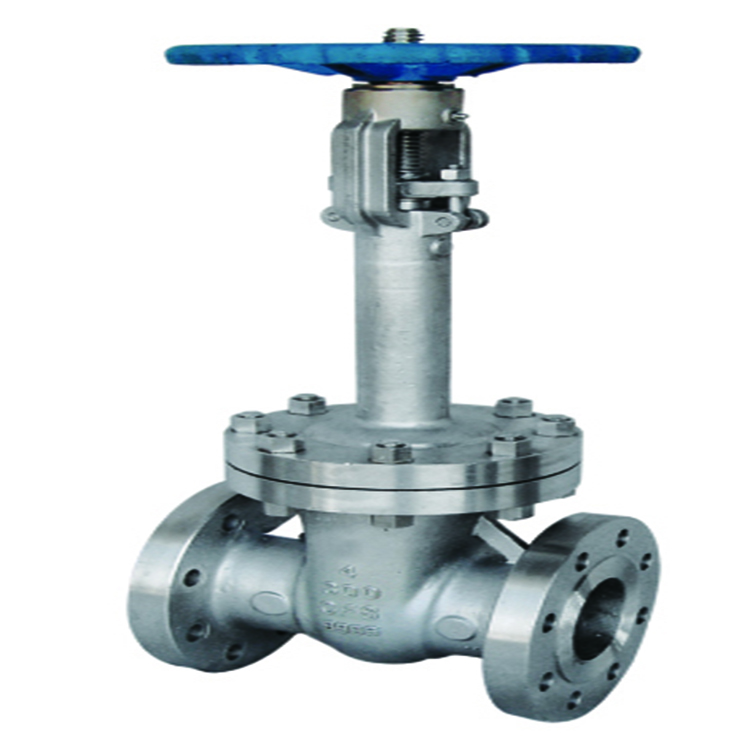
Define the application boundary for Slab Gate Valve
A Slab Gate Valve is evaluated for linear full-open or full-closed isolation. A gate moves across the flow path. Wedge or slab geometry, seat arrangement, bonnet construction, stem loading and body cavity design control sealing and operability.
Before quoting this configuration, close the defining construction and operating characteristics of slab gate valve and record all process, mechanical, operating and documentation assumptions.
The defining construction and operating characteristics of slab gate valve. Confirm service conditions, construction, materials, operation, testing and document requirements for slab gate valve.
Treat this page as an engineering route, then verify the actual configuration, limits and evidence in controlled project documents.
Close the questions hidden behind the product description
Record the question, accepted answer and proof so the Slab Gate Valve proposal can be audited across disciplines.
| Review area | Engineering question | Required record |
|---|---|---|
| Gate construction | Wedge, parallel slide, slab or knife designs serve different pressure, temperature and solids duties. | State the measurable requirement and connect it to a drawing, procedure or test result. |
| Bonnet and stem | Bolted, welded or pressure-seal bonnets and rising or non-rising stems affect maintenance and thrust. | Freeze the accepted value in the tag datasheet and verify it on the approved drawing. |
| Bore and cavity | Minimum bore, pigging, equalization, vents and drains must be defined where applicable. | Resolve the open point before release and retain tag-specific evidence in the final dossier. |
| Operating duty | Gate valves normally require full-open/full-closed operation; throttling exposure needs a separate review. | State the measurable requirement and connect it to a drawing, procedure or test result. |
| Configuration | Confirm service conditions, construction, materials, operation, testing and document requirements for slab gate valve. | Resolve the open point before release and retain tag-specific evidence in the final dossier. |
Record exact standard designations and contract editions; resolve scope gaps and purchaser options before manufacture.
Where this configuration may fit—and what can make it fail
Avoid prolonged throttling unless the selected construction is explicitly qualified for it; partial opening can damage gates and seats. The final decision must cover system interactions, end-of-life loads, degradation and how failure will be detected or contained.
Define the manufacturing and test proof before release
A certificate or report is useful only when its scope traces to the actual tag, materials and configuration. Use the valve standards guide to separate product, rating, dimensional, end-connection and test scope.
Design basis
Tag requirements, design review, materials list and approved exception register.
Material identity
Pressure and wetted-part traceability plus welding, heat treatment, hardness and inspection evidence.
Inspection and tests
Hold/witness records, material/NDE/pressure/leakage/functional results and nonconformance closure.
The final configuration must be supported by the approved datasheet and drawing.
No statement here is an unqualified certification claim; standards, editions and evidence remain subject to project review.
Information needed for a tag-level technical offer
Send tag identity, quantity, fluid, all design and operating cases, line interface, function, flow data, materials, operation, testing, inspection and turnover scope.
For a Slab Gate Valve, also highlight the defining construction and operating characteristics of slab gate valve. Keep an open-point register for any item that could change safety, function, cost or delivery.
Send the service cases for engineering review
Provide the actual application; the response will separate confirmed requirements from assumptions and identify the checks still required.
Use the related pages to close remaining decisions
Slab Gate Valve questions
What information is required to select a Slab Gate Valve?
Provide the medium and composition, all pressure and temperature cases, nominal size, flow or differential pressure where relevant, required function, end connections, materials, shutoff criterion, operation, standards, inspection and documentation. For this configuration, the review must specifically address the defining construction and operating characteristics of slab gate valve.
Which standards apply to a Slab Gate Valve?
The answer depends on the product construction, project jurisdiction and purchaser specification. A product standard may cover design scope while separate standards govern pressure-temperature rating, dimensions, ends, pressure testing, fire safety, emissions or materials. The final configuration must be supported by the approved datasheet and drawing.
How should Slab Gate Valve pressure and leakage testing be specified?
State the governing standard and approved edition, shell and closure basis, medium, pressure, duration, leakage acceptance, directionality, instruments, witness points and report format.
Can a Slab Gate Valve be supplied with an actuator?
Where automation is feasible, size from the worst-case valve torque or thrust curve, project margin, fail action, travel time, minimum utility, duty, controls, mounting and package test.
When should a Slab Gate Valve not be selected?
Do not select it when its qualified construction cannot satisfy the process, shutoff, materials, dynamics, maintenance or documentation requirements. Avoid prolonged throttling unless the selected construction is explicitly qualified for it; partial opening can damage gates and seats. The alternative should be chosen only after comparing the complete service duty.
 English
  German
  Arabic
  French
  Spanish
  Italian
  Portuguese
  Russian