
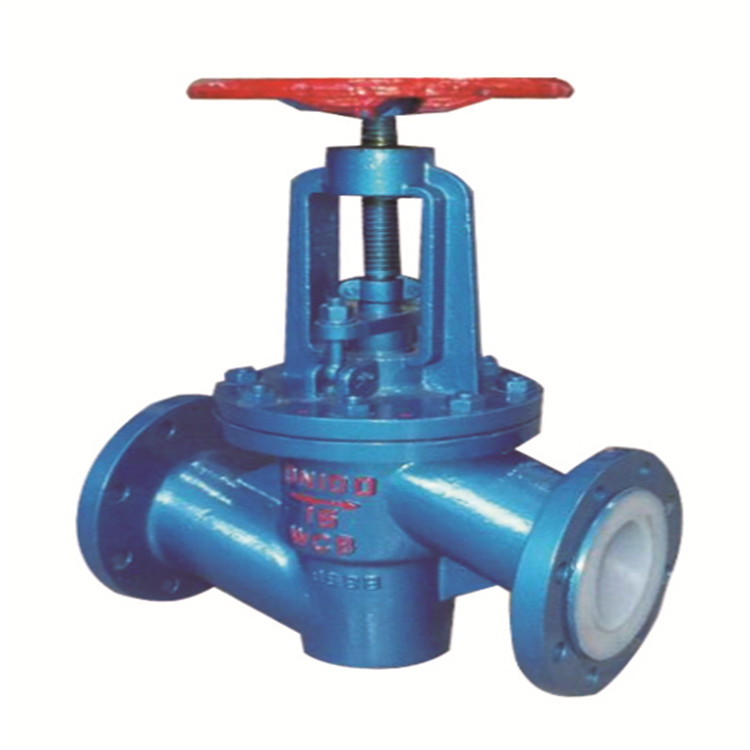
Define the application boundary for PTFE / PFA Lined Valves
A PTFE / PFA Lined Valves is evaluated for corrosion isolation using a polymer-lined wetted boundary. A corrosion-resistant lining separates compatible process media from the pressure-containing metal body. Resin type, thickness control, permeation, vacuum stability and protected sealing surfaces are critical.
The product name narrows the route but does not complete the specification. Resolve fluoropolymer compatibility, permeation, temperature and liner or seat protection; melt-processable fluoropolymer lining, permeation and vacuum stability together with the medium, operating cases, piping interface, maintenance and evidence.
Fluoropolymer compatibility, permeation, temperature and liner or seat protection. Provide full chemical composition, concentration, temperature, vacuum, cleaning fluids and cycling data.
Melt-processable fluoropolymer lining, permeation and vacuum stability. Confirm media chemistry, concentration, temperature, vacuum, liner support, spark test and handling controls.
Published information supports initial screening; final size, class, materials, trim, operation, tests and documents are fixed in approved order records.
Build the technical requirement before approving the model
Use the matrix to close decisions often hidden behind the short description “PTFE / PFA Lined Valves.”
| Review area | Engineering question | Required record |
|---|---|---|
| Chemical data | Composition, concentration, contaminants, phase and cleaning fluids are required for compatibility review. | Freeze the accepted value in the tag datasheet and verify it on the approved drawing. |
| Temperature and vacuum | Resin limits, permeation and liner support must be checked at operating and upset conditions. | Name the controlling document, responsible reviewer and inspection or calculation record. |
| Handling | Flange covers, gasket selection, bolt loading and protection from impact preserve liner integrity. | Freeze the accepted value in the tag datasheet and verify it on the approved drawing. |
| Inspection | Visual examination, spark testing where applicable and dimensional checks require approved procedures. | Name the controlling document, responsible reviewer and inspection or calculation record. |
| Ptfe | Provide full chemical composition, concentration, temperature, vacuum, cleaning fluids and cycling data. | Freeze the accepted value in the tag datasheet and verify it on the approved drawing. |
| Pfa | Confirm media chemistry, concentration, temperature, vacuum, liner support, spark test and handling controls. | Capture the selection basis, approved deviation if any and the record used for acceptance. |
Record exact standard designations and contract editions; resolve scope gaps and purchaser options before manufacture.
Failure exposures behind the nominal configuration
Do not assume one fluoropolymer suits every chemical or temperature; compatibility must be verified from complete process data. The final decision must cover system interactions, end-of-life loads, degradation and how failure will be detected or contained.
Define the manufacturing and test proof before release
A certificate or report is useful only when its scope traces to the actual tag, materials and configuration. Use the valve standards guide to separate product, rating, dimensional, end-connection and test scope.
Design basis
Approved datasheet, drawing, bill of materials, rating basis and documented deviations.
Material identity
Tag-to-component material mapping with certificates, processing records and identity checks.
Inspection and tests
Inspection releases, controlled test methods, instrument identity, measurements and final acceptance.
PTFE suitability depends on the complete environment and construction; generic compatibility charts are screening tools only. PFA selection requires resin and construction-specific limits.
Qualification, testing and material suitability are conditional on the approved scope and supplied records for the actual configuration.
Data to send for a technically complete quotation
A useful RFQ combines process data, piping class, construction and materials, operator/actuator requirements, acceptance criteria and delivery documents.
For a PTFE / PFA Lined Valves, also highlight fluoropolymer compatibility, permeation, temperature and liner or seat protection; melt-processable fluoropolymer lining, permeation and vacuum stability. Identify missing inputs and provisional selections so they can be closed before purchase order release.
Ask for a configuration tied to the real duty
Provide the actual application; the response will separate confirmed requirements from assumptions and identify the checks still required.
Continue the selection review
Product family
Compare the main constructions and selection boundaries in this valve family.
Corrosion-Resistance Review
Resolve interacting pressure, temperature, corrosion, wear or project risks.
Testing and inspection
Define pressure-test scope, acceptance, instruments, witness points and records.
PTFE / PFA Lined Valves questions
What information is required to select a PTFE / PFA Lined Valves?
Provide the medium and composition, all pressure and temperature cases, nominal size, flow or differential pressure where relevant, required function, end connections, materials, shutoff criterion, operation, standards, inspection and documentation. For this configuration, the review must specifically address fluoropolymer compatibility, permeation, temperature and liner or seat protection; melt-processable fluoropolymer lining, permeation and vacuum stability.
Which standards apply to a PTFE / PFA Lined Valves?
The answer depends on the product construction, project jurisdiction and purchaser specification. A product standard may cover design scope while separate standards govern pressure-temperature rating, dimensions, ends, pressure testing, fire safety, emissions or materials. PTFE suitability depends on the complete environment and construction; generic compatibility charts are screening tools only. PFA selection requires resin and construction-specific limits.
How should PTFE / PFA Lined Valves pressure and leakage testing be specified?
Separate pressure-boundary, closure, functional and any special testing. Record the procedure, edition, duration, allowable leakage, intervention point and final evidence.
Can a PTFE / PFA Lined Valves be supplied with an actuator?
Where automation is feasible, size from the worst-case valve torque or thrust curve, project margin, fail action, travel time, minimum utility, duty, controls, mounting and package test.
When should a PTFE / PFA Lined Valves not be selected?
Do not select it when its qualified construction cannot satisfy the process, shutoff, materials, dynamics, maintenance or documentation requirements. Do not assume one fluoropolymer suits every chemical or temperature; compatibility must be verified from complete process data. The alternative should be chosen only after comparing the complete service duty.
 English
  German
  Arabic
  French
  Spanish
  Italian
  Portuguese
  Russian