
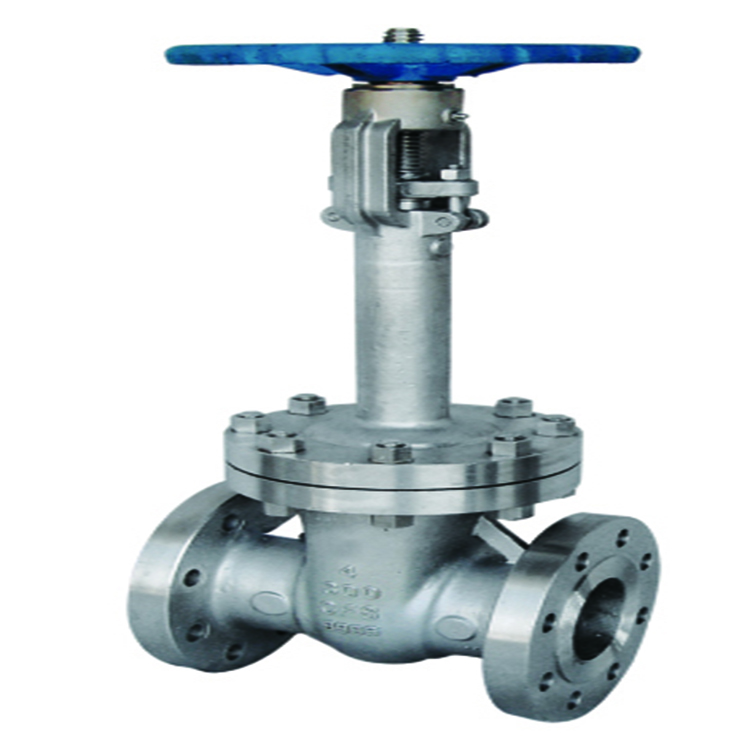
From product name to an engineered Pressure Seal Gate Valve requirement
A Pressure Seal Gate Valve is evaluated for linear full-open or full-closed isolation. A gate moves across the flow path. Wedge or slab geometry, seat arrangement, bonnet construction, stem loading and body cavity design control sealing and operability.
Use the name as a starting point. Technical approval still depends on pressure-energized bonnet sealing for qualified high-pressure/high-temperature service, the complete service envelope, installed interfaces and measurable acceptance.
Pressure-energized bonnet sealing for qualified high-pressure/high-temperature service. Define pressure-temperature cycles, bonnet design, warm-up/bypass needs, maintenance method and operating loads.
Website content is not tag-level certification. Suitability and supplied scope are established only by the accepted quotation, datasheet and drawing.
Build the technical requirement before approving the model
Use the matrix to close decisions often hidden behind the short description “Pressure Seal Gate Valve.”
| Review area | Engineering question | Required record |
|---|---|---|
| Gate construction | Wedge, parallel slide, slab or knife designs serve different pressure, temperature and solids duties. | State the measurable requirement and connect it to a drawing, procedure or test result. |
| Bonnet and stem | Bolted, welded or pressure-seal bonnets and rising or non-rising stems affect maintenance and thrust. | Name the controlling document, responsible reviewer and inspection or calculation record. |
| Bore and cavity | Minimum bore, pigging, equalization, vents and drains must be defined where applicable. | State the measurable requirement and connect it to a drawing, procedure or test result. |
| Operating duty | Gate valves normally require full-open/full-closed operation; throttling exposure needs a separate review. | Capture the selection basis, approved deviation if any and the record used for acceptance. |
| Pressure Seal | Define pressure-temperature cycles, bonnet design, warm-up/bypass needs, maintenance method and operating loads. | Capture the selection basis, approved deviation if any and the record used for acceptance. |
Record exact standard designations and contract editions; resolve scope gaps and purchaser options before manufacture.
Service conditions that can change or reject the selection
Avoid prolonged throttling unless the selected construction is explicitly qualified for it; partial opening can damage gates and seats. The final decision must cover system interactions, end-of-life loads, degradation and how failure will be detected or contained.
Define the manufacturing and test proof before release
A certificate or report is useful only when its scope traces to the actual tag, materials and configuration. Use the valve standards guide to separate product, rating, dimensional, end-connection and test scope.
Design basis
Controlled configuration, interface drawing, calculations and closed technical clarifications.
Material identity
Component certificates, heat or lot traceability, heat treatment, hardness and required PMI or NDE.
Inspection and tests
Inspection releases, controlled test methods, instrument identity, measurements and final acceptance.
Pressure-seal designs require correct assembly and maintenance; they are not interchangeable with bolted bonnets.
No statement here is an unqualified certification claim; standards, editions and evidence remain subject to project review.
Information needed for a tag-level technical offer
Send tag identity, quantity, fluid, all design and operating cases, line interface, function, flow data, materials, operation, testing, inspection and turnover scope.
For a Pressure Seal Gate Valve, also highlight pressure-energized bonnet sealing for qualified high-pressure/high-temperature service. Keep an open-point register for any item that could change safety, function, cost or delivery.
Request a tag-level technical review
Provide the actual application; the response will separate confirmed requirements from assumptions and identify the checks still required.
Continue the selection review
Pressure Seal Gate Valve questions
What information is required to select a Pressure Seal Gate Valve?
Provide the medium and composition, all pressure and temperature cases, nominal size, flow or differential pressure where relevant, required function, end connections, materials, shutoff criterion, operation, standards, inspection and documentation. For this configuration, the review must specifically address pressure-energized bonnet sealing for qualified high-pressure/high-temperature service.
Which standards apply to a Pressure Seal Gate Valve?
The answer depends on the product construction, project jurisdiction and purchaser specification. A product standard may cover design scope while separate standards govern pressure-temperature rating, dimensions, ends, pressure testing, fire safety, emissions or materials. Pressure-seal designs require correct assembly and maintenance; they are not interchangeable with bolted bonnets.
How should Pressure Seal Gate Valve pressure and leakage testing be specified?
Separate pressure-boundary, closure, functional and any special testing. Record the procedure, edition, duration, allowable leakage, intervention point and final evidence.
Can a Pressure Seal Gate Valve be supplied with an actuator?
Where automation is feasible, size from the worst-case valve torque or thrust curve, project margin, fail action, travel time, minimum utility, duty, controls, mounting and package test.
When should a Pressure Seal Gate Valve not be selected?
Do not select it when its qualified construction cannot satisfy the process, shutoff, materials, dynamics, maintenance or documentation requirements. Avoid prolonged throttling unless the selected construction is explicitly qualified for it; partial opening can damage gates and seats. The alternative should be chosen only after comparing the complete service duty.
 English
  German
  Arabic
  French
  Spanish
  Italian
  Portuguese
  Russian