
Industrial Plug Valves for Isolation, Diversion and Corrosive Service
Raymon Valve supplies plug valve configurations selected around plug geometry, port arrangement, sleeve or lubrication system, pressure balancing, materials, operating torque, actuation and project testing requirements.
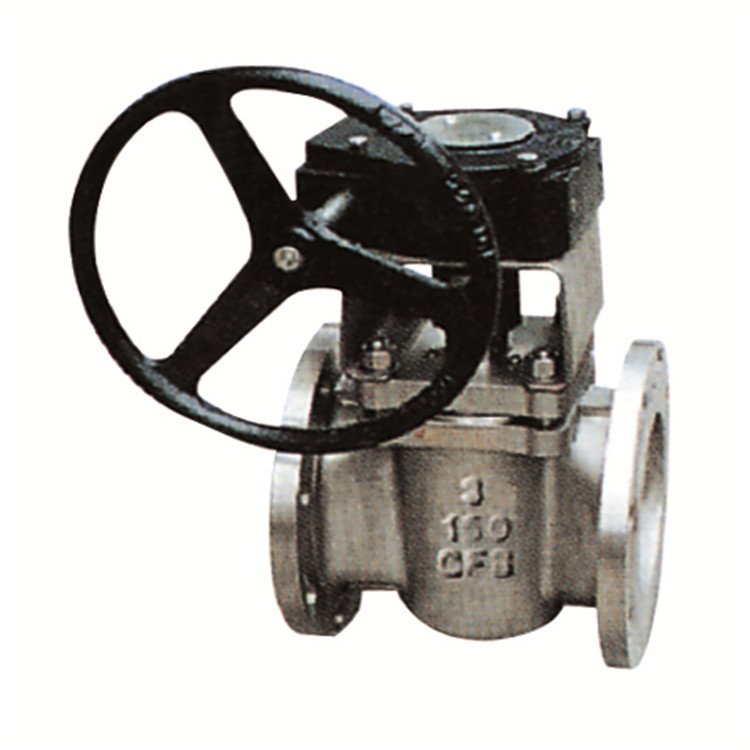 Body + plug + port + sleeve/seal + stem + operator
Select the sealing system and port geometry together
A plug valve uses a rotating plug as the closure element. Selection should address the flow passage, shutoff duty, pressure and temperature, medium compatibility, required operating torque, maintenance method and whether a sleeve, liner or injected sealant forms part of the sealing system.
Plug valve configurations in this category
The verified lined-valve route is linked below. Planned product pages remain inactive until specifications and images are ready.
Lined Plug Valve
Plug-valve geometry combined with a corrosion-resistant wetted-material and lining system.
VIEW CATEGORY PAGE →Lubricated Plug Valve
Sealant-supported construction selected around compatibility, injection and maintenance requirements.
PAGE IN PREPARATIONSleeved Plug Valve
Non-lubricated sleeve-seated design evaluated for media compatibility, cycling and torque.
PAGE IN PREPARATIONEccentric Plug Valve
Offset plug geometry for qualified isolation, wastewater or solids-bearing service.
PAGE IN PREPARATIONExpanding Plug Valve
Mechanically expanding sealing arrangement for project-defined pipeline isolation duty.
PAGE IN PREPARATIONPressure Balanced Plug Valve
Internal pressure-balancing arrangement used to manage torque in qualified service.
PAGE IN PREPARATIONThree-Way Plug Valve
Multi-port flow diversion selected from the required flow path, port position and shutoff matrix.
PAGE IN PREPARATIONDouble Block and Bleed Plug Valve
Special isolation arrangement requiring confirmed seat, cavity and bleed functionality.
PAGE IN PREPARATIONHow to specify an industrial plug valve
Begin with the service and functional requirements, then verify the plug, sealing system, bore, operator and maintenance method as one design.
| Configuration | Typical screening context | Questions to resolve |
|---|---|---|
| Lubricated plug valve | Isolation service where a sealant system is acceptable and maintainable | Sealant compatibility, injection system, pressure balance, frequency and operating procedure |
| Sleeved plug valve | Non-lubricated isolation for media compatible with the qualified sleeve material | Sleeve material, temperature, adjustment, cycling, torque and shutoff acceptance |
| Lined plug valve | Corrosive service where the complete wetted-material system is suitable | Composition, concentration, temperature, permeation, vacuum and lining continuity |
| Eccentric plug valve | Qualified wastewater, slurry or solids-bearing isolation applications | Port geometry, seat protection, solids handling, directionality and cleaning |
| Multi-port plug valve | Flow diversion or mixing when the port matrix matches the process function | Required positions, flow paths, blocked ports, leakage between paths and actuator stops |
This table is a screening guide. Final construction and ratings must be confirmed against the actual project datasheet and manufacturer qualification.
Torque, sealing and maintenance method drive reliability
Plug-to-seat contact can produce significant operating torque. Temperature, pressure, solids, deposits, sleeve behavior or loss of sealant condition can materially affect breakaway torque and actuator sizing.
Information required for a technical quotation
Provide the full service and functional scope so the port and sealing system are not assumed.
Continue the selection from the service requirement
Use the existing categories below where corrosion resistance, alternate quarter-turn isolation or actuation is the primary selection driver.
Industrial plug valve FAQ
What is the difference between lubricated and sleeved plug valves?
A lubricated design uses injected sealant as part of its sealing system, while a sleeved design uses a sleeve between the plug and body. Service compatibility, maintenance and torque determine suitability.
When is a lined plug valve considered?
A lined design may be evaluated for corrosive service when the liner, seals and every wetted interface are compatible with the complete process composition and operating envelope.
Can a plug valve be used for flow diversion?
Yes, a qualified multi-port plug valve can provide defined flow paths. The required positions and blocked or connected ports must be documented in a port-position matrix.
What data is needed for actuator sizing?
Provide verified breakaway, running and closing torque at maximum differential pressure, service factor, operating time, frequency, supply conditions and required fail action.
Send the complete plug valve datasheet
We will review the plug geometry, sealing system, materials, operation, testing and documentation scope.
 English
  German
  Arabic
  French
  Spanish
  Italian
  Portuguese
  Russian