
Industrial Valve Manufacturer for Demanding Process Applications
Raymon Valve supplies ball, butterfly, gate, globe, check and control valves for oil and gas, power generation, chemical processing, water treatment and industrial projects.
Send your datasheet, drawing or operating conditions for valve configuration review and quotation.
Why Raymon Valve for Industrial Projects
We support industrial buyers, EPC contractors, distributors and project engineers by reviewing valve requirements before configuration, quotation and production. Suitability depends on the submitted operating conditions and approved order specification.
Project Input Review
Review the medium, pressure, temperature, required valve function and available operating cases before recommending a configuration.
Order Scope Confirmation
Confirm dimensions, end connections, pressure class, materials, actuation, inspection scope and required documents before production.
Application Review
Review medium, pressure, temperature, valve function and operating cases before confirming the valve configuration.
Material & Trim Selection
Compare body, trim, seat and packing options against the specified medium, temperature, corrosion and wear conditions.
Drawing Confirmation
Confirm dimensions, end connections, pressure class, materials and actuation details against the approved order documents.
Inspection & Testing
Define shell, seat leakage, functional, dimensional and documentation requirements before production begins.
Industrial Valve Product Range
Explore the six core valve families used for isolation, throttling, flow regulation and backflow prevention across industrial process and utility systems.
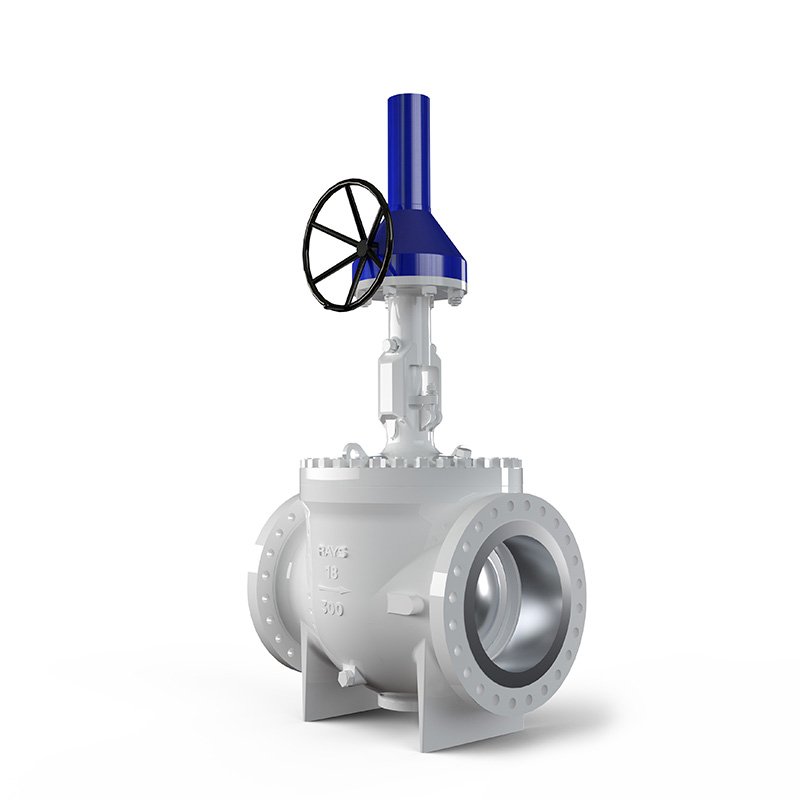
Isolation valves for pipelines, process systems and industrial utilities, including floating, trunnion-mounted, soft-seated and metal-seated configurations.
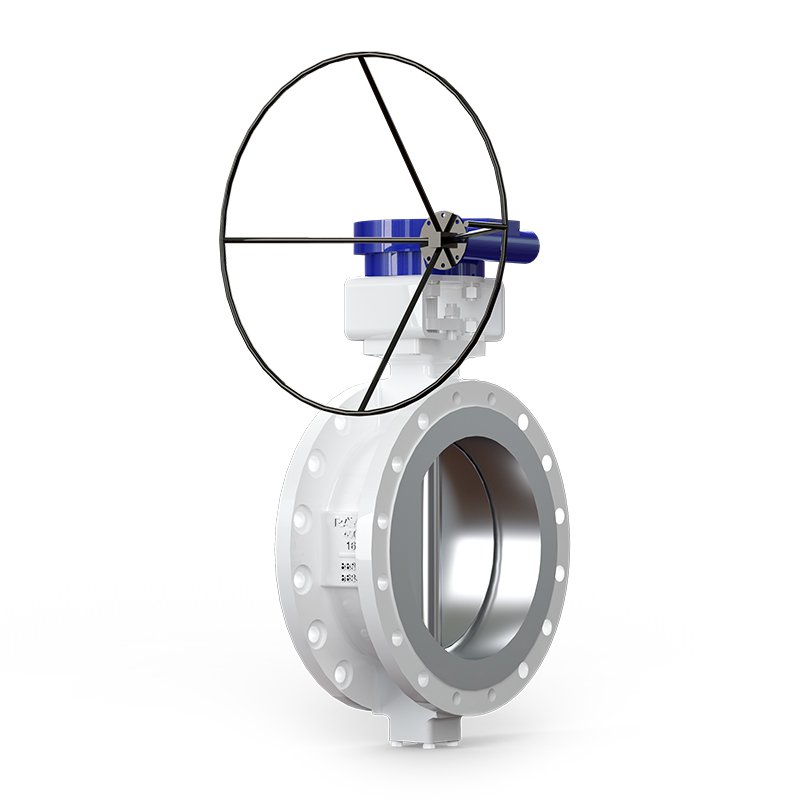
Quarter-turn valves for water, utilities and process isolation, including concentric, high-performance and triple-offset configurations.
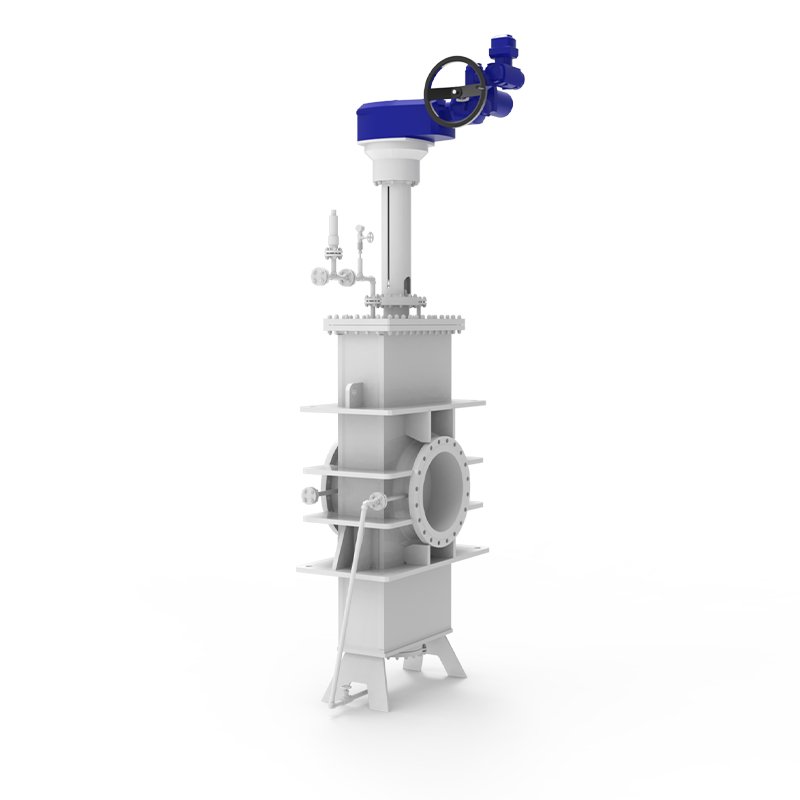
Linear isolation valves for full-flow pipeline duty, including cast, forged, pressure-seal and project-specific configurations.
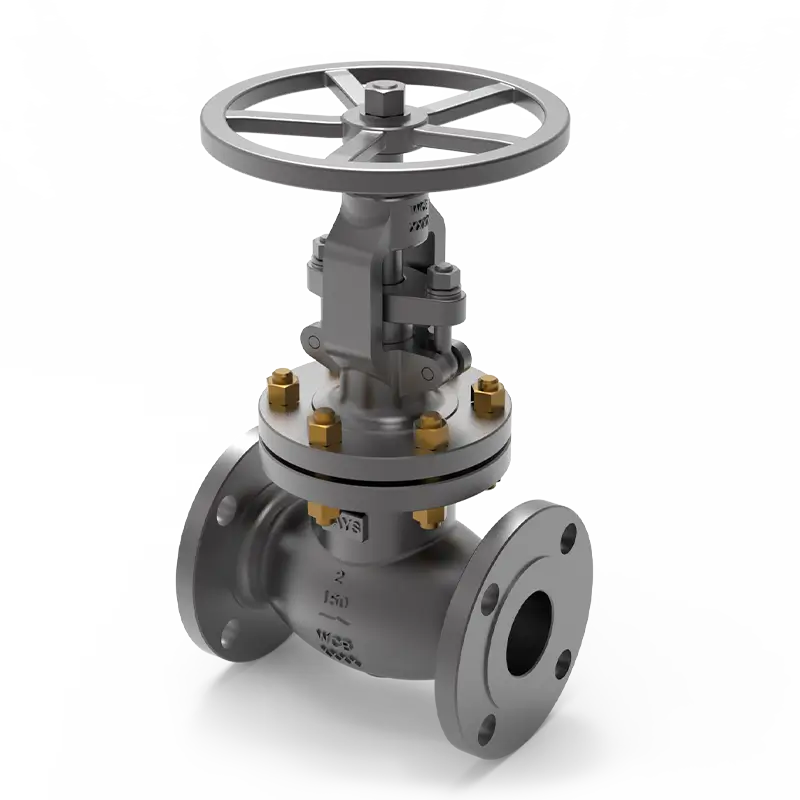
Valves for throttling and isolation where flow direction, pressure drop, trim, shut-off and operating conditions must be reviewed together.
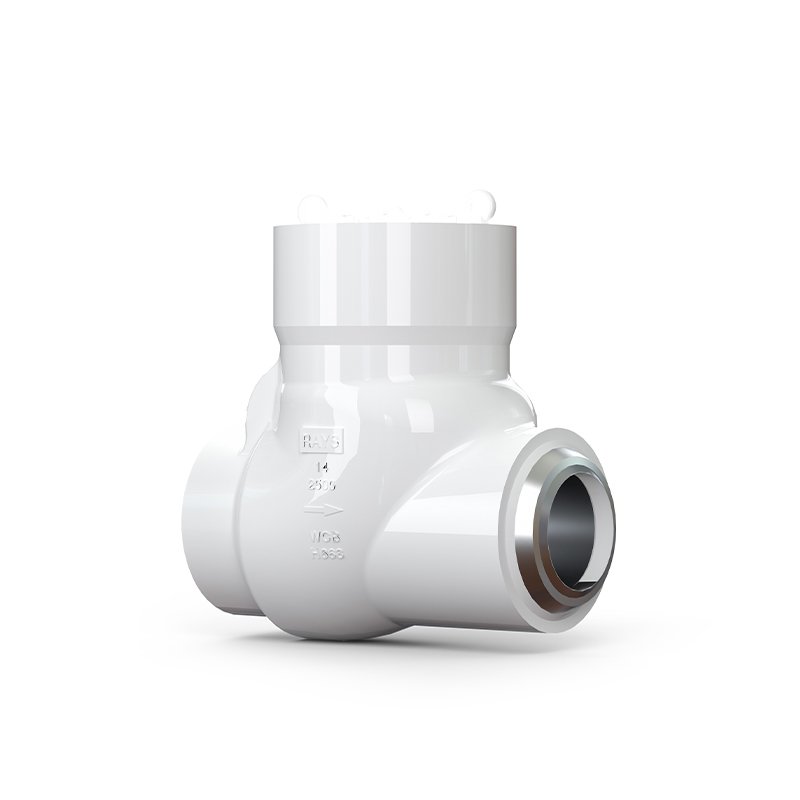
Automatic non-return valves for pump protection and backflow prevention, including swing, lift, dual-plate, axial and non-slam designs.
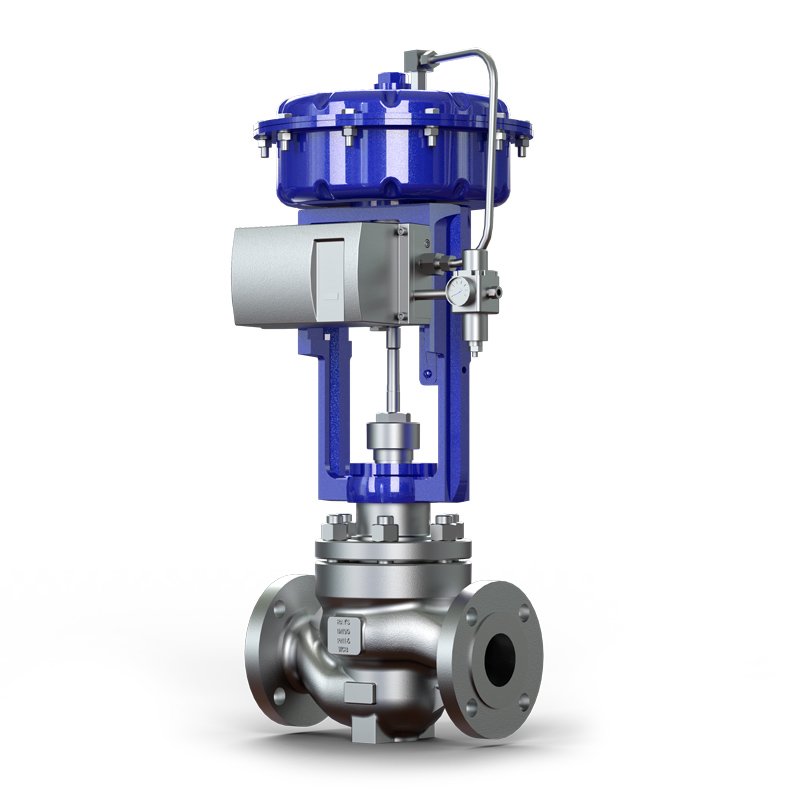
Modulating valve and actuator packages for flow, pressure and temperature control using defined process cases and control requirements.
Engineering Support Before Production
Valve configuration should be based on submitted operating conditions, applicable standards and the approved purchase scope—not on a product name alone.
Define Requirements Before Configuration
Provide the available process cases, valve function, line data, standards, material preferences, actuation interfaces and inspection requirements. Missing items can be identified during technical review.
- Operating medium and complete pressure-temperature cases
- Applicable standards, line class and connection details
- Materials, actuation, inspection and documentation scope
Application Review
Provide medium, pressure, temperature and required function. We review the duty and identify the configuration inputs that still require confirmation.
Material & Trim Selection
Provide fluid composition, temperature and corrosion or wear concerns. Candidate body, trim, seat and packing systems are then compared against the project conditions.
Drawing Confirmation
Provide the line class, mating dimensions, connection and actuation requirements. The approved drawing becomes the reference for production and inspection.
Inspection Scope Planning
Provide the purchase specification or ITP when available. Required tests, hold points, records and third-party involvement are confirmed before production.
Find Valves by Industry and Service Condition
Start with the process industry or the dominant service risk, then review pressure, temperature, media, shut-off, actuation and inspection requirements before selecting a valve.
- Start with the process industry or the dominant service risk
- Define pressure, temperature, medium and required valve function
- Confirm materials, actuation, inspection and documentation scope
Power Generation
Valve selection for steam, feedwater, cooling, condensate, flue-gas and utility systems where pressure-temperature cycles and shut-off duty must be defined.
Oil & Gas
Valve selection for upstream, midstream and downstream duties using pressure, fluid phase, shut-off, fire, emissions and material requirements.
Chemical Processing
Valve selection for corrosive, high-temperature and process-control duties based on media compatibility, leakage, cycling and inspection requirements.
Water Treatment
Butterfly, check, gate and control valve selection for water supply, drainage and treatment systems using size, flow, actuation and installation requirements.
Mining
Valve selection for slurry, tailings, abrasive media, water and reagent systems using solids, velocity, wear, isolation and maintenance inputs.
By Service Condition
Use the dominant service condition to identify relevant structures, materials, sealing systems, actuation and verification requirements.
High Temperature Valve Solutions
Designed for steam systems, thermal oil service, flue gas handling and other applications requiring stable sealing performance and structural reliability under elevated temperatures.
Recommended Product Directions
- Maximum, minimum, normal and transient temperatures
- Pressure-temperature rating and thermal cycling frequency
- Seat, packing, materials, actuation and leakage requirements
Typical Focus
Selection Considerations
Temperature range, seat design, body material, thermal expansion effects and shut-off requirements.
Typical Applications
Power generation, steam lines, heat transfer systems and high temperature industrial processes.
High Pressure Valve Solutions
Suitable for industrial systems that require strong body structure, reliable sealing performance and stable operation under demanding pressure conditions.
Recommended Product Directions
- Design, operating, transient and test pressures
- Valve size, pressure class, end connection and piping loads
- Shut-off, cavity relief, actuation and inspection requirements
Typical Focus
Selection Considerations
Pressure rating, end connection type, body strength, sealing method and operating torque.
Typical Applications
High pressure process lines, oil & gas systems, power applications and severe industrial duty.
Corrosion Resistant Valve Solutions
For aggressive media, chemical duty and environments requiring enhanced resistance to corrosion, chemical attack and long-term material degradation.
Recommended Product Directions
- Complete fluid composition, concentration, phase and contaminants
- Pressure-temperature cases and expected corrosion mechanisms
- Body, trim, seat, lining, packing and bolting compatibility
Typical Focus
Selection Considerations
Media composition, corrosion rate, liner compatibility, operating temperature and connection requirements.
Typical Applications
Chemical processing, water treatment, corrosive transfer lines and industrial fluid handling systems.
Abrasion Resistant Valve Solutions
For powder, slurry and abrasive media applications that require longer service life, durable sealing and heavy-duty construction under wear-intensive conditions.
Recommended Product Directions
- Solids content, particle size, hardness and flow velocity
- Erosion zones, cycling frequency and required shut-off performance
- Wear-resistant materials, coatings, seat system and maintenance plan
Typical Focus
Selection Considerations
Particle size, solids concentration, erosion pattern, valve cycle frequency and maintenance expectations.
Typical Applications
Mining, powder conveying, slurry transport, cement processes and abrasive media systems.
Cryogenic Valve Solutions
Designed for low-temperature service where material toughness, extended bonnet structures and stable sealing performance are important for safe operation.
Recommended Product Directions
- Minimum design temperature, normal cases and cooldown conditions
- Fluid phase, trapped-cavity risk and required stem extension
- Materials, sealing, leakage, cleaning and test requirements
Typical Focus
Selection Considerations
Minimum operating temperature, material toughness, sealing structure and insulation-related design needs.
Typical Applications
LNG systems, low-temperature storage and transfer, gas handling and cryogenic industrial processes.
Large Diameter Valve Solutions
For water supply, drainage, pipeline control and infrastructure projects requiring large-size valve configurations and stable operation over broad flow sections.
Recommended Product Directions
- Line size, flow, pressure, velocity and installation orientation
- Face-to-face, flange, space, support and actuator constraints
- Coating, seat, shaft, gearbox or actuator and maintenance access
Typical Focus
Selection Considerations
Valve size, connection method, actuation requirement, installation space and system flow characteristics.
Typical Applications
Water treatment, municipal infrastructure, large pipelines, water conservancy and general utility projects.
Manufacturing and Quality Control
Order-specific quality planning may cover incoming material review, machining inspection, assembly verification, shell pressure testing, seat leakage testing, functional checks, dimensions, packing and requested documentation.
Standards & Purchase Specification
Pressure, Leakage & Functional Checks
Material & Component Control
Inspection & Order Documents
Quality Evidence for Industrial Orders
For industrial valve purchasing, trust is built through clear standards, controllable production processes, reliable inspection and transparent documentation support.
Manufacturing Standards
Products can be reviewed and matched according to common international or project-specific standards to support technical consistency and procurement requirements.
Inspection & Testing
Inspection procedures may include pressure verification, sealing checks, dimensional review and other order-related quality control points depending on product type and requirements.
Material Control
Material selection can be matched to medium, temperature, pressure level and corrosion conditions to improve service suitability and project confidence.
Typical Quality Control Checkpoints
The exact scope depends on product type and project requirements, but buyers usually focus on these checkpoints.
- Technical requirement confirmation before production
- Material and configuration matching for service conditions
- Inspection during production and before shipment
- Support for order-related testing and reporting documents
Documents Commonly Requested by Buyers
Documentation can be confirmed according to your order scope, product type and destination market requirements.
Testing, certification and documentation scope must be confirmed according to the valve type, applicable standard and approved purchase specification. Third-party inspection is arranged only when agreed in the order scope.
Typical Valve Application Examples
These are illustrative selection scenarios, not named customer projects or performance claims. Final valve configuration requires review of the actual line data, operating cases, purchase specification and inspection scope.
Illustrative Selection Scenarios
- Industry-based application understanding
- Working condition and product matching logic
- Reference-oriented communication for RFQ projects
Triple-Offset Butterfly Valve for High-Temperature Flue Gas Service
A typical starting direction for elevated-temperature flue-gas isolation where seat design, thermal movement, packing, actuation and shut-off requirements must be confirmed.
Pressure-temperature rating, seat system, thermal expansion, shaft and packing design, actuation and leakage requirement.
Confirm the operating cases and approved standard before selecting body, disc, seat, shaft, packing and actuator details.
Metal-Seated Ball Valve for Severe Process Service
A typical starting direction for high-temperature or wear-prone process duty where media, solids, cycling, hardfacing, torque and leakage requirements must be confirmed.
Media composition, solids, temperature, cycling, hardfacing, cavity behavior, torque and required shut-off acceptance.
Confirm the severe-service inputs before selecting seat surfaces, coatings, seals, materials and actuation.
Large-Diameter Butterfly Valve for Water Supply
A typical starting direction for large water pipelines where size, pressure, flow, installation space, connection, actuation and coating requirements must be confirmed.
Valve diameter, pressure, velocity, installation space, connection, coating, actuation and operating frequency.
Confirm line and installation data before selecting body pattern, disc, seat, shaft, gearbox or actuator and coating system.
From Project Input to Delivery
A four-stage review and order workflow keeps technical inputs, approvals, production, inspection and delivery responsibilities clear.
Submit Requirements
Send the available datasheet, drawing, valve type, size, pressure class, medium, temperature, quantity and project requirements.
Technical Review & Configuration
Review operating conditions and identify the valve structure, materials, seat system, connections, actuation and inspection inputs requiring confirmation.
Drawing & Commercial Approval
Confirm the technical deviation list, drawing, standards, scope, price, lead time and commercial terms before production release.
Production, Inspection & Delivery
Manufacture, inspect, test, document, preserve, pack and release the order according to the approved scope and delivery terms.
Ready to Send Your Valve Requirements?
Upload a datasheet or drawing, or provide the available operating conditions for initial review and quotation.
Valve Selection and Engineering Resources
Use published technical guides to prepare valve requirements, compare configuration options and define testing or documentation scope before an RFQ.
Technical Guides for Better Project Decisions
Who This Is For
What You Can Learn
Best Use
Industrial Valve Pressure Testing Guide
Define shell, closure and functional test requirements using the applicable standard, test medium, pressure basis, duration, leakage acceptance and required records.
Valve Seat & Sealing Materials Guide
Compare soft, elastomeric, metal and hardfaced sealing systems using medium, temperature, wear, leakage, actuation and evidence requirements.
Valve End Connection Selection Guide
Compare flanged, butt-weld, socket-weld, threaded, wafer and lug connections using the exact mating standard, installation and lifecycle requirements.
Frequently Asked Questions
What information is required for a valve quotation?
Send the available valve type, size, pressure class, medium, operating temperature, required function, material preference, connection, actuation, quantity and applicable standard. A datasheet, line class or drawing is helpful. Technical fields that are not yet confirmed may be left for review.
Can Raymon Valve manufacture according to project drawings?
Drawing-based or project-specific production can be reviewed when the required dimensions, materials, pressure class, connections, tolerances, actuation interfaces, standards and inspection requirements are provided. Production should begin only after the applicable drawing and deviations are approved.
What inspection and testing can be arranged?
The scope may include material and dimensional checks, shell pressure testing, seat leakage testing, functional checks and agreed records. Test medium, pressure, duration, leakage acceptance, witness points and third-party involvement must be confirmed for the valve type and purchase specification.
Can you help review materials for corrosive or high-temperature service?
Yes, candidate body, trim, seat, packing and bolting materials can be compared against the supplied media composition, concentration, temperature, pressure, phase, contaminants, cycling and corrosion or wear risks. Final material acceptance remains subject to the approved project specification.
What documents can be supplied with an order?
Depending on the confirmed order scope, documents may include approved drawings, technical datasheets, material documents, inspection or test records, packing lists and shipment files. Required document type, format, language, review cycle and release timing should be stated in the purchase specification.
How do I submit a valve datasheet or RFQ?
Use the homepage RFQ form below to upload a supported datasheet or drawing and provide the available project information. Name, business email and message are required; other technical fields can be completed when known.
Send Your Valve Requirements
Upload a datasheet or drawing, or provide the available operating conditions for initial configuration review and quotation.
When available, include valve type, size, pressure class, medium, temperature, materials, actuation and inspection requirements. Unconfirmed technical fields may be left blank.
- Operating conditions and required valve function
- Applicable standard, drawing or purchase specification
- Actuation, inspection and documentation requirements
 English
  German
  Arabic
  French
  Spanish
  Italian
  Portuguese
  Russian