
Industrial Special-Purpose Valves for Power, Utility and Process Systems
This category groups pressure protection, pressure reduction, condensate management, rapid on-off, solids handling and project-standard valve solutions that sit outside the main isolation and control-valve families.
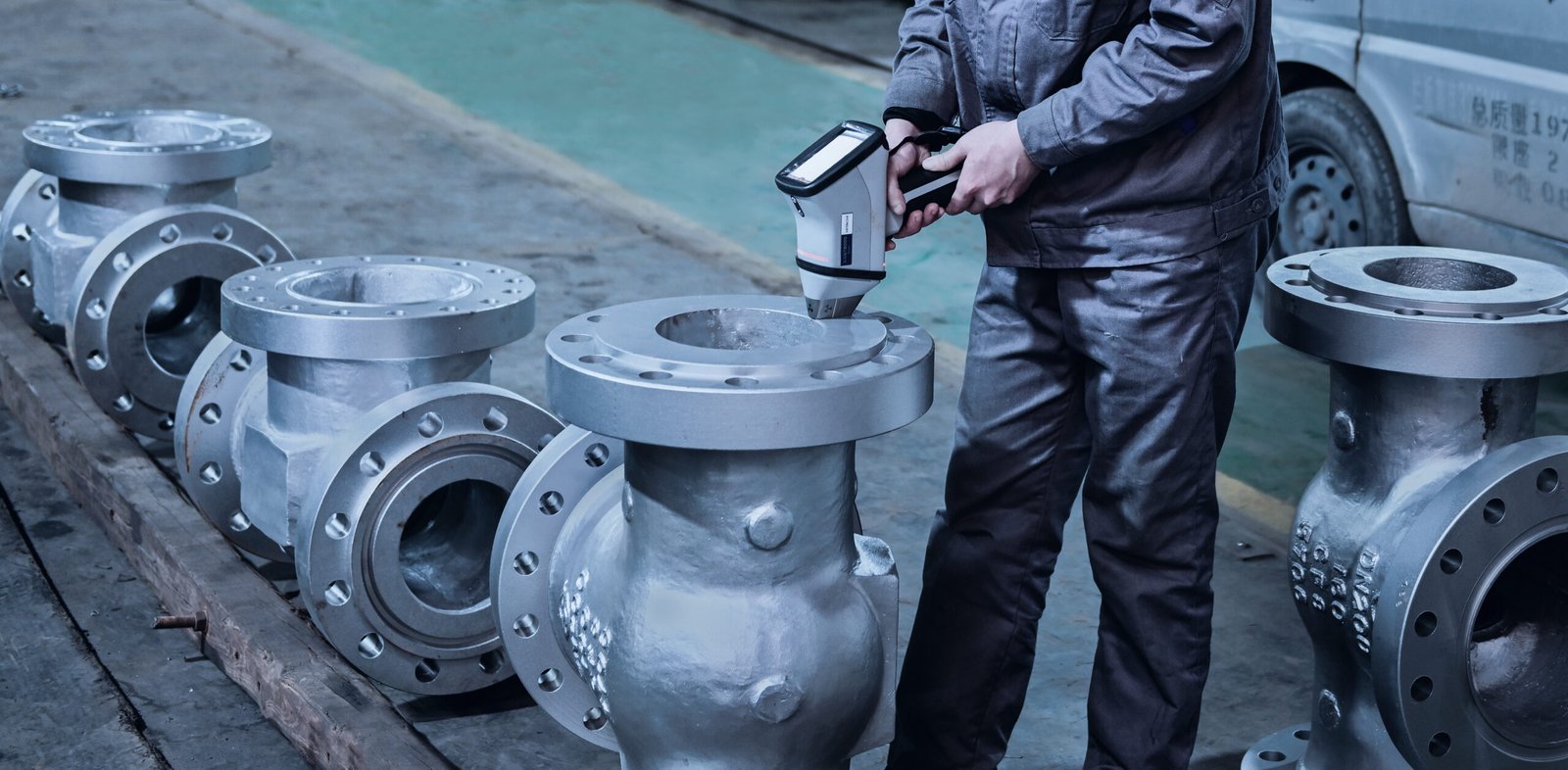 Function + service + construction + applicable standard
Start from the process function—not the “other valve” label
These valves perform different duties and cannot share one generic selection method. Define the required protection, regulation, drainage, switching or solids-handling function first, then apply the standards and sizing method relevant to that valve family.
Special-purpose valve categories
Verified existing categories are linked below. Diaphragm Valves remain inactive until the dedicated page and product data are ready.
German Standard Valves
Valve constructions selected around the applicable DIN/EN design, dimensional and connection requirements.
PAGE IN PREPARATIONPower Station Valves
High-pressure and high-temperature configurations for qualified power-generation duties.
PAGE IN PREPARATIONPressure Reducing Valve
Self-operated or pilot-based pressure reduction selected from supply, demand and setpoint ranges.
PAGE IN PREPARATIONSafety Valve
Overpressure protection device requiring code-defined sizing, set pressure and certification scope.
PAGE IN PREPARATIONSolenoid Valve
Electromagnetic on-off valve selected around medium, pressure differential, coil and duty cycle.
PAGE IN PREPARATIONSteam Trap Valve
Automatic condensate discharge selected from load, pressure, temperature and venting requirements.
PAGE IN PREPARATIONSlide Valve
Linear slide-gate arrangement for qualified powders, granules, ash or solids-handling systems.
PAGE IN PREPARATIONDiaphragm Valve
Isolation or regulation using a flexible diaphragm and weir or straight-through body geometry.
PAGE IN PREPARATIONHow to route a special-purpose valve inquiry
First determine the duty, then supply the sizing and certification data required for that specific valve family.
| Valve family | Primary design function | Critical data |
|---|---|---|
| Safety / relief valve | Protect equipment from defined overpressure scenarios | Relieving case, set pressure, back pressure, medium, required capacity and governing code |
| Pressure-reducing valve | Maintain a lower downstream pressure | Inlet range, outlet setpoint, min/max flow, droop, lock-up and protection philosophy |
| Steam trap | Discharge condensate and non-condensable gases while limiting steam loss | Condensate load, pressure differential, temperature, start-up load and installation |
| Solenoid valve | Electrical on-off or pilot switching | Medium, orifice/Cv, minimum differential, coil voltage, duty cycle and hazardous-area rating |
| Slide valve | Isolate or meter suitable bulk solids | Material bulk properties, temperature, pressure, gate size, abrasion and actuator load |
Each family uses different performance criteria. Do not apply a generic nominal-size selection across this category.
The applicable standard depends on the valve function
A safety valve may require certified capacity and code stamping, while a solenoid valve may require electrical enclosure or hazardous-area certification. Power-station and German-standard valves can carry different design, dimensional and material requirements.
Information required for technical routing
Include the required function so the inquiry reaches the correct product and engineering workflow.
Continue to the correct specialist category
The following pages cover the most safety- and performance-critical families in this group.
Special-purpose valve FAQ
Why are these products grouped separately?
They perform specialized protection, regulation, drainage, switching or solids-handling functions that do not fit the main isolation-valve families. Each requires its own sizing and verification method.
Can a safety valve be selected from pipe size?
No. Safety and relief devices require capacity sizing from the defined relieving scenario, set pressure, back pressure, fluid properties and governing code.
What information is needed for a steam trap?
Provide steam pressure, condensate return pressure, normal and start-up condensate load, operating temperature, installation orientation and venting requirements.
What should be specified for a solenoid valve?
Provide medium, flow or orifice requirement, pressure differential, temperature, coil voltage and frequency, duty cycle, fail position and hazardous-area or enclosure classification.
Describe the required valve function
We will route the inquiry to the correct family and review sizing, materials, compliance and documentation requirements.
Special valve engineering resources
Special-function valves should be selected from operating logic and service evidence rather than a generic product label.
 English
  German
  Arabic
  French
  Spanish
  Italian
  Portuguese
  Russian