
Industrial Regulating Valves for Pressure, Flow, Temperature and Differential Control
Raymon Valve supplies direct-acting, pilot-operated and self-operated regulating valve configurations selected around the controlled variable, setpoint range, flow capacity, pressure drop, accuracy, stability, materials and installation requirements.
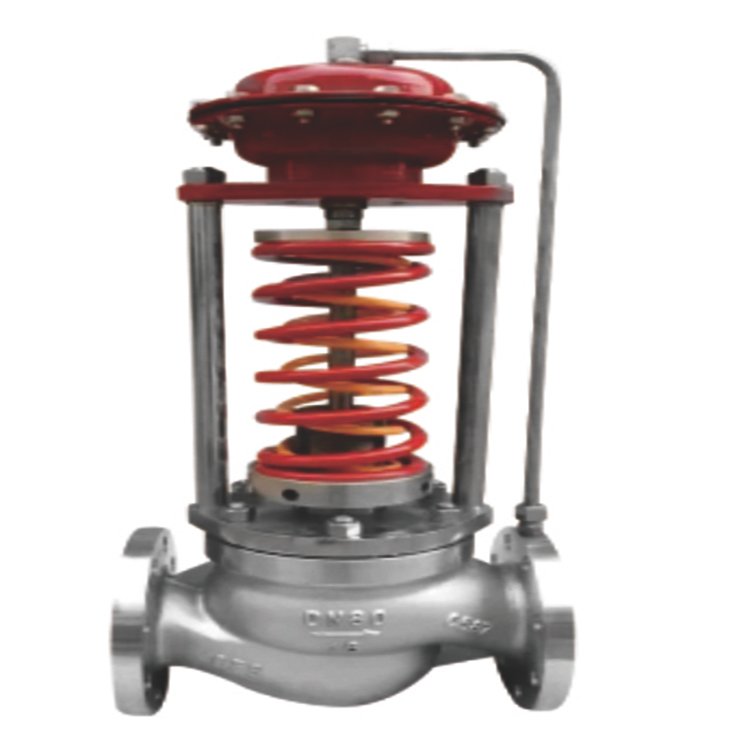 Valve body + trim + sensing element + spring + pilot/impulse line
Regulators are selected from setpoint and load range
A regulator uses process energy or a pilot system to maintain a defined pressure, flow, differential or temperature condition. Selection should address minimum and maximum demand, inlet variability, target setpoint, allowable droop or offset, lock-up, response and the risk of noise, cavitation or instability.
Regulating valve configurations in this category
All regulating-valve detail pages remain inactive until specifications, operating ranges, evidence and images are ready.
Pressure Reducing Valve
Maintains a lower downstream pressure from a higher, variable upstream source within its qualified range.
PAGE IN PREPARATIONSelf-Operated Pressure Regulator
Direct process-powered regulator selected from setpoint, capacity, droop and response requirements.
PAGE IN PREPARATIONBack Pressure Regulator
Maintains upstream pressure by modulating discharge flow within the qualified operating range.
PAGE IN PREPARATIONDifferential Pressure Regulator
Controls the pressure difference between two sensing points or process circuits.
PAGE IN PREPARATIONFlow Regulating Valve
Maintains or limits flow using a qualified sensing and throttling arrangement.
PAGE IN PREPARATIONTemperature Regulating Valve
Self-contained or pilot-assisted configuration using temperature sensing to adjust process flow.
PAGE IN PREPARATIONPilot-Operated Regulator
Main valve and pilot system used where capacity, accuracy or setpoint range requires staged control.
PAGE IN PREPARATIONThree-Way Regulating Valve
Mixing or diverting arrangement selected from flow paths, temperature duty and control objective.
PAGE IN PREPARATIONHow to specify an industrial regulating valve
Define the variable to be maintained, then provide the complete supply and demand envelope so capacity, setpoint and stability can be evaluated together.
| Configuration | Controlled condition | Questions to resolve |
|---|---|---|
| Pressure reducing regulator | Downstream pressure | Inlet range, outlet setpoint, capacity, droop, lock-up, relief and minimum demand |
| Back-pressure regulator | Upstream pressure | Discharge pressure, capacity, stability, sensing location and fail response |
| Differential regulator | Pressure difference between two points | High/low sensing lines, target differential, range, response and installation elevation |
| Flow regulator | Flow rate or flow limit | Fluid properties, available differential, sensing element, range and accuracy |
| Temperature regulator | Process temperature | Sensor location, response time, heating/cooling duty, fail condition and three-way arrangement |
This table is a screening guide. Final selection requires verified operating cases and the manufacturer’s sizing method.
Sensing and protection devices are part of the regulator system
Poor impulse-line routing, contamination, insufficient inlet pressure or missing overpressure protection can prevent a correctly sized regulator from performing as intended.
Information required for regulator sizing
Provide the full supply, demand and setpoint range instead of one nominal condition.
Continue from the required control method
Use the product and technical pages below to distinguish self-operated regulation from externally actuated control.
Industrial regulating valve FAQ
What is the difference between a regulator and a control valve?
A self-operated regulator uses process energy and a mechanical or pilot sensing system to maintain a setpoint. A control valve normally receives an external control signal and uses a powered actuator and positioner.
What is droop in a pressure regulator?
Droop is the change in controlled pressure as flow demand changes. Its acceptable value and the required capacity must be considered together during sizing.
Why is zero-demand lock-up important?
When downstream demand stops, the regulator must close sufficiently to limit pressure rise. The specified lock-up performance and downstream overpressure protection should be reviewed.
When is a pilot-operated regulator considered?
A pilot-operated design may be evaluated when required capacity, accuracy, inlet variation or setpoint range exceeds the practical capability of a direct-acting configuration.
Send the complete regulator operating envelope
We will review the control objective, capacity, setpoint performance, materials, protection and documentation scope.
 English
  German
  Arabic
  French
  Spanish
  Italian
  Portuguese
  Russian