
industries
Industrial Valve Applications
Our high-performance valves are engineered to meet the demanding requirements of diverse industries worldwide. As a premier valve manufacturer and distributor based in China, Raymon Valve provides reliable, precision-engineered solutions tailored to your specific application needs. Contact our experts today to find the perfect valve for your operations.
all valve
All You Need to Know About Valves involved industries
Valves involved industries-list
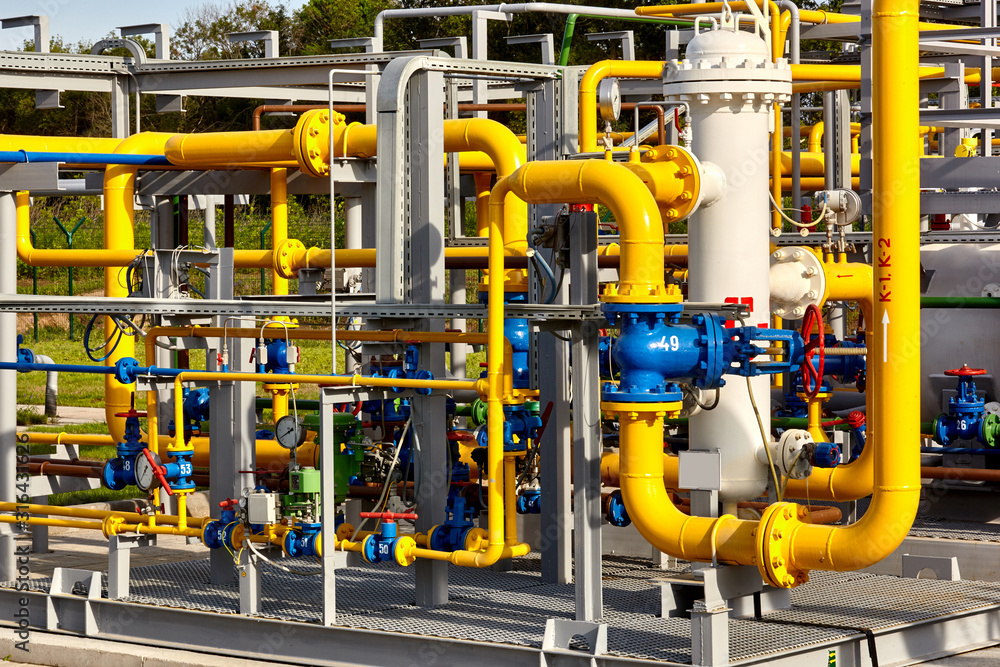
Oil and gas industries
Click to learn more about Oil and gas industries!
Petrochemical industries
Click to learn more Petrochemical industries!
Power plant industries
Click to know more Power plant industries!
Coal chemical industries
Click to learn more about Coal chemical industries!
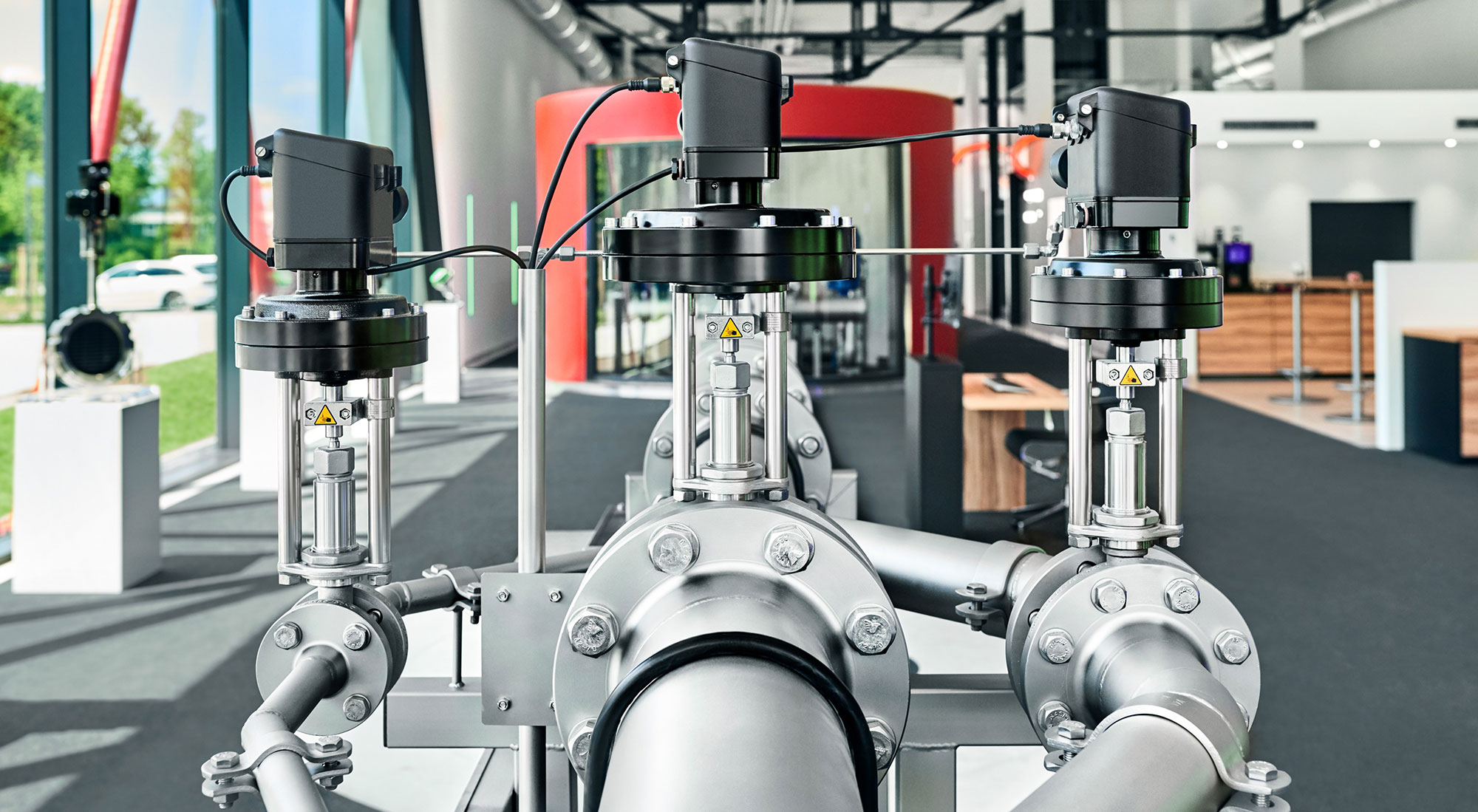
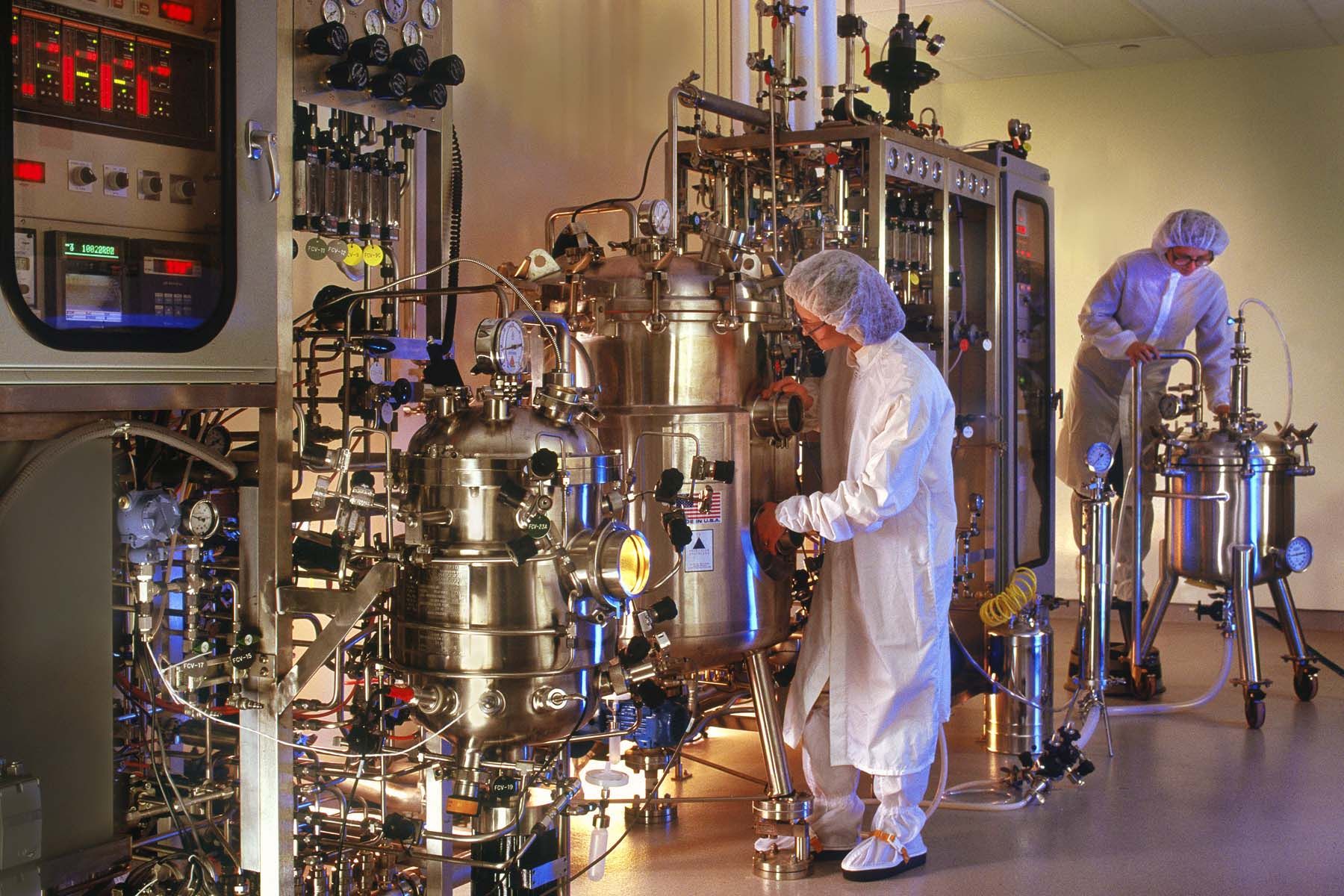
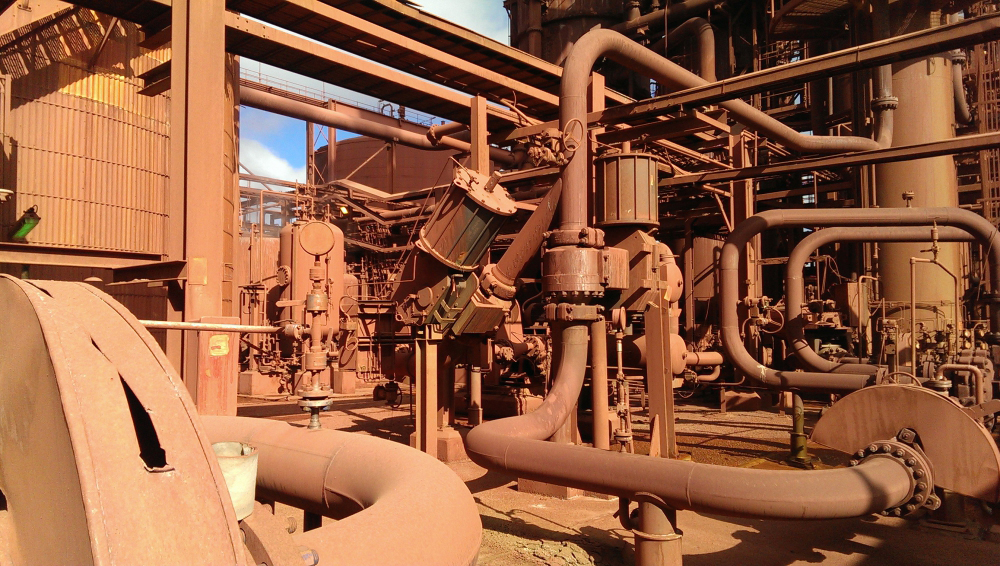
Industries We Serve
Precision Engineering for Global Industrial Applications
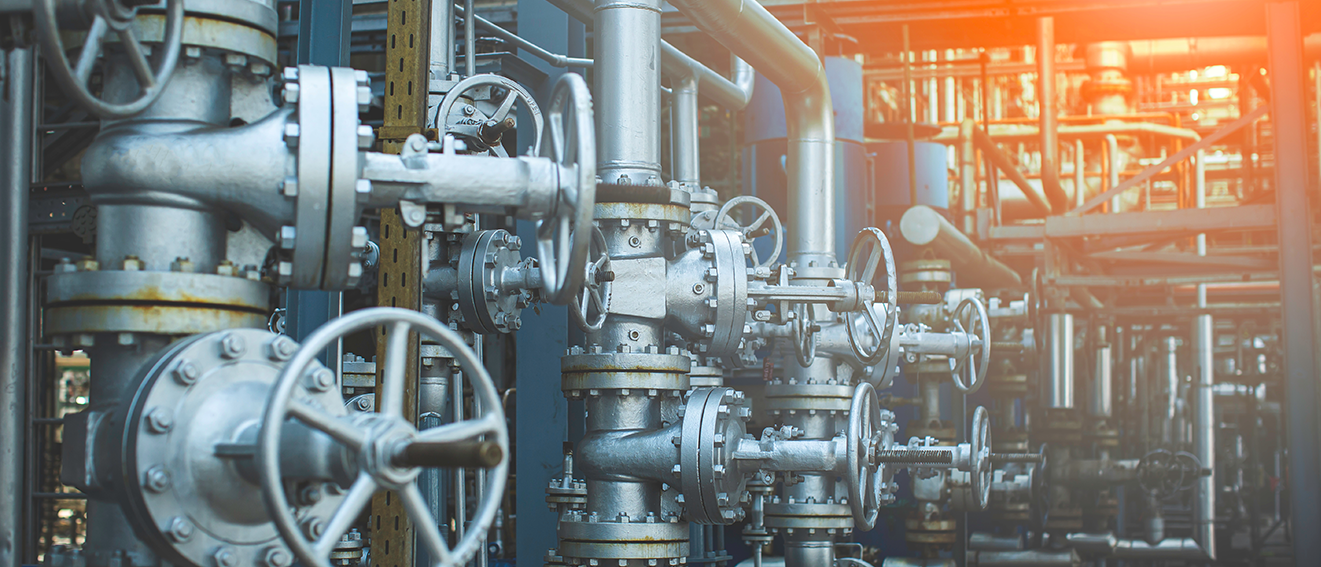
Valves are a vital part of any piping system, which means that they play a key role in the oil and gas industry. In the oil and gas industry, they can be used to control flow rates, guide and direct the refining process of crude oil, and isolate and protect equipment. There are many types of valves used in oil and gas industries. In addition to this article you can also check out this article on the application areas of ten types of valves.
Gate valves are mostly used in piping and pipeline application. The type of disc is a flat sheet of metal that is raised and lowered to allow or shut off the flow of fluid. Supported on the sides by seating and joined to a stem at the top.
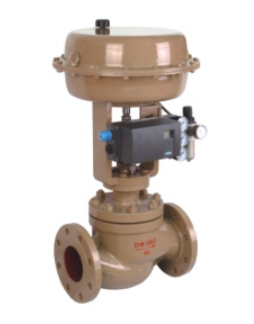
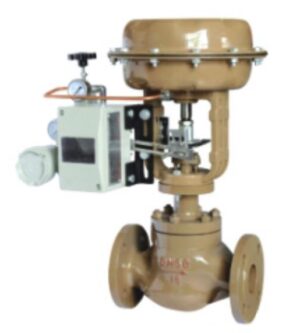
Control valves are used to control the pressure and temperature of oil and gas, which varies the size of the flow passage. The automatic operation of these valves gives them the ability to be operated remotely.
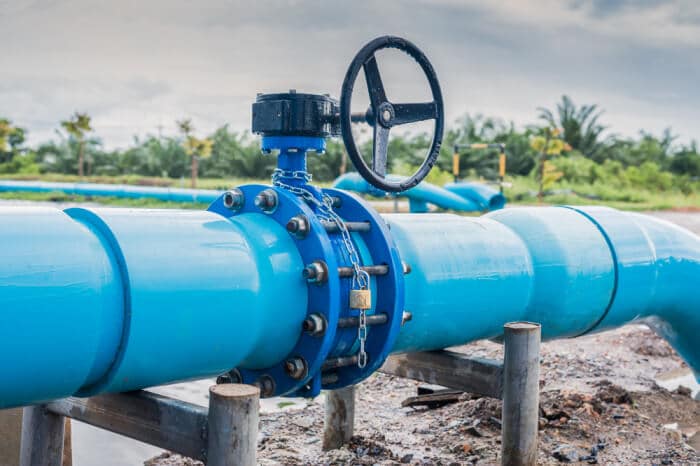
Butterfly valves provide compact quarter-turn isolation or control, but disc clearance, velocity, pressure drop, liner or seat material and actuator torque require review.
A pressure-seal bonnet uses internal pressure to energize the bonnet seal and is considered for specified high-pressure services; design conditions and the governing standard determine suitability.
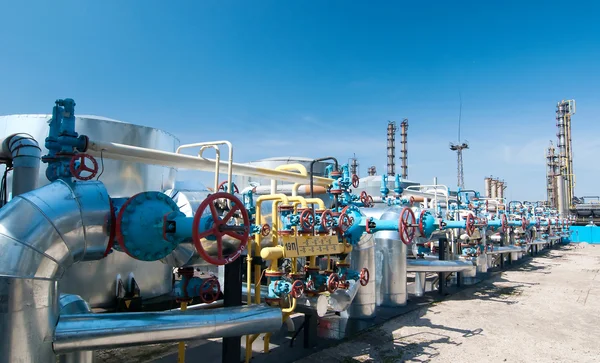
Petrochemical industries
Petrochemical industries are responsible for manufacturing, transporting, and storing. These include dyes, detergents, plastics, additives, and other forms of petrochemicals such as natural gas and coal. Valves control, open and close, and regulate the pressure and flow of material. In the petrochemical industry, there are various types of valves used to manage things and each of them has its own function. Some of them are as follows:
- Control the flow of fluid through a pipeline.
- To regulate the pressure of fluids.
- Modulate the flow of fluid.
- Stop and start the fluid flow such as oil, steam, water, and any acid.
- Some valves are used to protect a system of piping from back pressure or overpressure.
- Filter debris and protect equipment.
As it is very dangerous because it’s daily governed by extreme pressure and temperature. Important valves that are used in petrochemical industries are.
Automatic shut-off valves also known as safety valves, help to prevent leakage and onsite explosions, and prevent hazardous materials from escaping.
Gate valves are used to cut through a very thick fluid such as petroleum and crude oil to regulate and modulate the flow. These are valuable to a petroleum plant.
Check valves are used to regulate the backflow of fluids in a piping system. to prevent unwanted flows which could damage apparatus such as compressors and pumps.
Globe valves are highly efficient for fluid regulation such as fuel and other harmful chemicals, also valuable in water cooling systems. they are not suited to more viscous liquids.
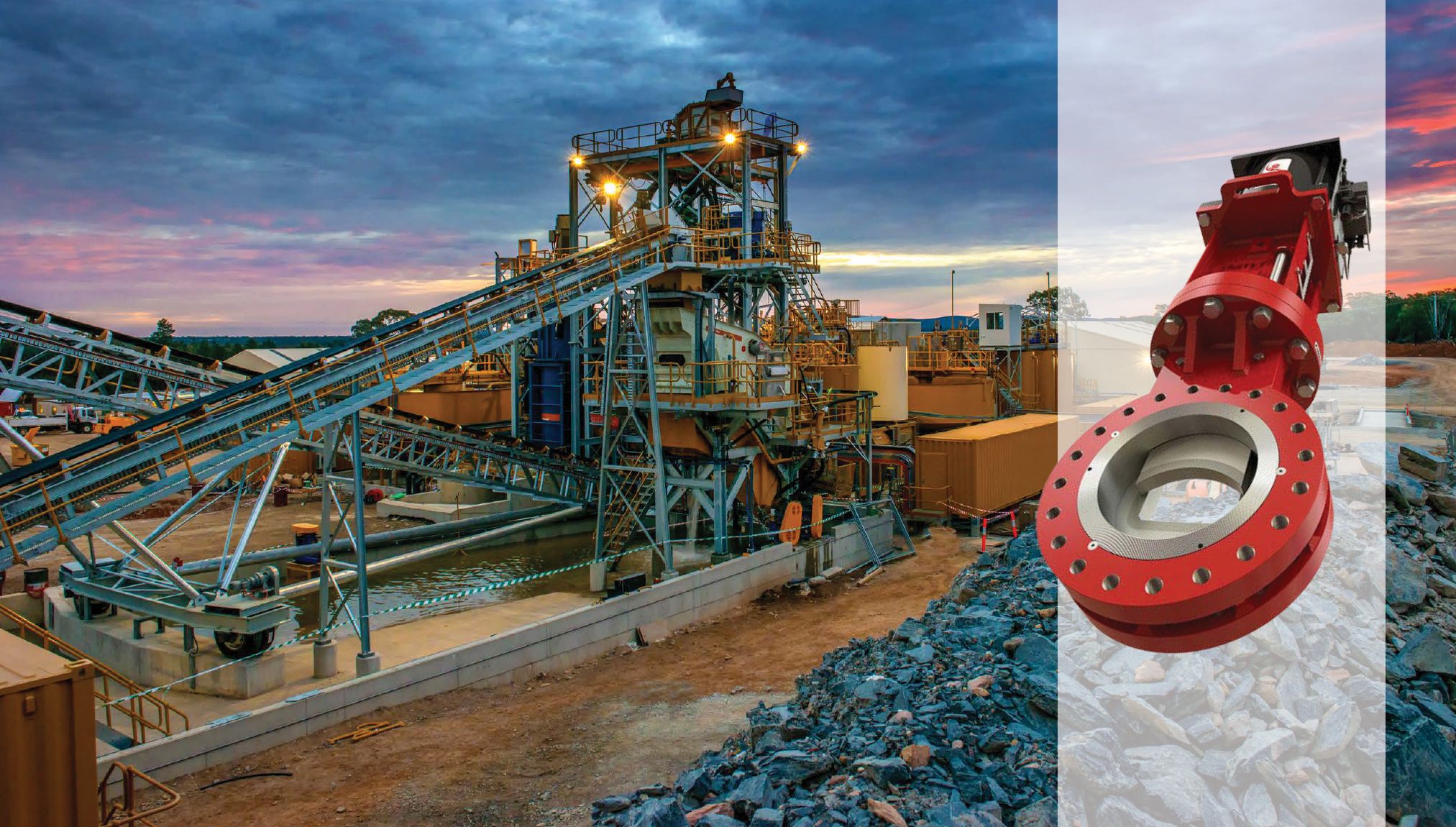
Power plant industries
There are many valves in a single power plant, each of which takes a different role. The principle behind most valves has not changed. Various types of valves are used in power plant industries. Some of them are bolted bonnet and pressure seal gate valves that act as gate that blocks the flow path of the media. The main role of these valves is the isolation of media with less restriction. It minimizes erosion, pressure drop, and friction, also used in high temperatures for applications higher than 00 psi using the pressure seal valve. It is also designed to allow for minimal contact between the media and the disc.
Dual check valves are more efficient. It has springs that increase valve response time. The main role of this valve is to adapt to the sudden changes in media flow.
The metal-seated ball valve is a ball-like structure that turns 900 to close or open and acts as a stopper for the media. Power plants use metal ball valves because they can bear high pressure and temperature.
High-performance butterfly valves are often used in water intake applications, cooling water systems, and industrial wastewater applications. Also has the capability to withstand high pressure and temperature if the seating is metal.
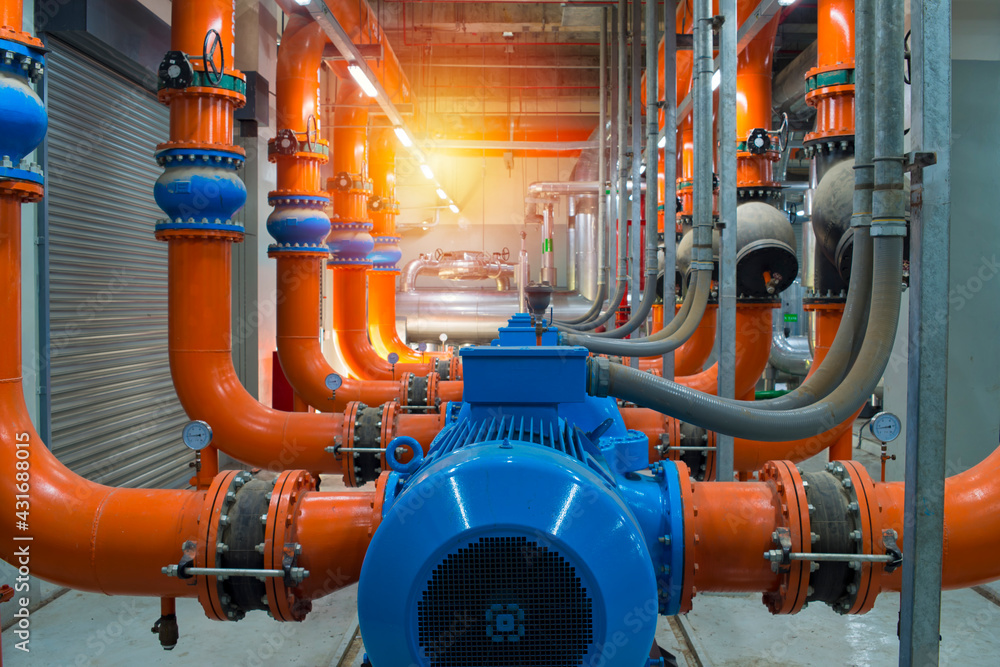
Coal chemical industries
The rapid development of large-scale coal chemical industries require corresponding technical equipment support. Many types of valves are used in coal chemical industries which are as follows.
The coal chemical ball valve rotates 90 degrees and the plug is a ball with a round through-hole or passage through its axis. Ball valves are the main piping to cut off, distribute, and change the direction of the flow of media. Can be tightly closed with only 90 degrees of rotation and the moment of a rotation. Butterfly valve used for opening and closing elements. Butterfly valves are usually less than 90 degrees open and fully closed. It also improves the performance of the operation of the valve.
Safety valves are automatic relief protection devices by inlet static pressure. It is the most important safety accessory of a pressure vessel, the valve closes automatically. It is also called the ultimate protection device of the pressure vessel.
Coal chemical solenoid valves are basic elements of automation used in control fluid and belong to actuators. They are used because plant machinery is generally controlled by hydraulic steel. They also have closed cavities in the solenoid valve. By controlling the movement of the valve body, different oil drains pipes. Also controls the mechanical movement by controlling the current of the solenoid.
Coal chemical control valves are used to regulate process parameters such as media flow, temperature, liquid level, and pressure in the field. According to the control signal, the opening of the valve is adjusted automatically, realizing the adjustment of media flow, temperature pressure, and liquid level. Straight travel mainly includes two types: straight-through single-seat type and straight-through two-seat type.
Metallurgy Industry
Valves are really useful in harsh working conditions of high pressure and high temperature in the metallurgy industry as well as in the strong corrosion and in easy crystallization. Valve companies independently develop special valves for smelting that include slurry and angle valves, oxygen, butterfly and check valves.
Due to rapid development of the metallurgy industry the application of valves is also improved a lot so quality control has played the most important role to ensure safety and stability during the production.
Hydrometallurgy is the technique in the field of extracting metallurgy and it helps in obtaining metals from the ores. These valve hydrometallurgical approaches consist of many process stages such as leaching, solid liquid separation, ion exchange and crystallization.
In the leaching process it is very usual to use 50% of the sulphuric acid, 25% of the hydrochloric acid, sulphureous acid and hydrofluoric acid as solvent. Plastic valves are ideal for use in the leaching process with their outstanding flow rate and chemical resistance.
For the extraction process and ion exchange the work pressure is low and the temperature is 50 – 60 degree Celsius. The corrosive liquid contains crystalline particles which are all the challenges for valves.
Construction industry
Valves are mechanical devices that are used for construction in industries and they also control the flow of fluids such as liquid, solid, slurries and so on. This happens by closing, opening and obstructing a passage partially. Industrial valves are used in many parts such as in pipelines, public utilities and in other manufacturing facilities.
They also play a very important role in construction where they help in serving many roles in engineering, design and building of structure. Some common household of constructing valves are:
- A tap when it opens it turn a valve and help in releasing water pressure
- Gas cooker hob is also one of the construction valve examples that it let valve to allow to give more gas. It helps in increasing the flame size.
- A toilet flush is also its example as it opens two valves. One allows water to escape and the other refills the washroom with more water.
There are 3 types of valves that are used in construction:
- Balancing valves
Balancing valves control the flow of the fluids and help in separating them into equal and different branches. These types of valves are mostly found in cooler and in heater systems where they make sure the flow rate in corresponds to the system’s specifications.
- Cock valves
Cock valves drain similar receptacles and drain tanks and it lets users restrict or allow flow from lever or handles. These valves are found in plumbing, HVAC and in refrigerator systems and they help in maintaining specific flow rate.
- Hydraulic valves
These kind of valves helps in the flow of fluid through the hydraulic system. They are used in an array of many kinds of different equipment that involves excavators, bulldozers, backhoes and hydraulic lifts.
Pharmaceutical Industry
Pharmaceutical service can require hygienic design, cleanability, material traceability and documented surface condition. The applicable regulatory and process requirements must be stated; generic valve selection alone does not establish system cleanliness or safety.
In the valves industries pharmaceutical valve technologies are very high but also very strict. Due to the increasing demand in the pharmaceutical industry and the increasing valve demands, valves have been used a lot in the pharmaceutical industry. The good part is that the material choice in the pharmaceutical industry is not very wide but mostly austenitic stainless steel is a more used material in the Pharmaceutical Industry.
Today the advanced valves are meeting the biological pharmaceutical need such as in food and in other field as well. Some valves are seamless, smooth, and automatic and is also suitable for onsite cleaning needs. The pharmaceutical industry places very high demand on its production and due to the high increase in Pharmaceutical equipment the valve industry has the great room for growth and in upgrading more to achieve greater goals.
The development of the manufacturing industry will now further be supported as the policy of building up more pharmaceutical equipment. On the other hand, the domestic process of high valves will accelerate more. For this relevant industries should have to improve the lack of valve technologies because this will help in serving pharmaceutical industries in better ways.
Mining Industry
Valves are used in a large ratio in the mining industry. The mineral and mining sector needs a very good processing system that can meet the pressure, harsh chemical and temperature demand of the industry. Any kind of leak in the mining industry results in big environmental damage with fines and penalties. To reduce unscheduled and cost issues all the components and system should work reliably and consistently. This helps in minimizing the equipment damage and other hazardous working problems.
Check valves may prevent reverse flow in parts of a mining process, but type and sizing should be reviewed for slurry content, velocity, orientation, surge and maintenance access.
The valve mining industry is traditionally a heavy and good user of slurry, pinch and handling valves just because of the highly abrasive nature of concentrated metals. These industries have proven their success by using air release valves in the same environment in tailings and in slurry application as well as in the leaching process. Other good and common valve applications are mineral laden process, dilution water, lime addition and a vast variety of applications such as pneumatic conveying valve of dry concentrations.
Newinteg valves now serve many mining companies all over the world. One of the most common mining valves in Raymon‘s gate valve, globe valve, and ball valve as it provides a range of industry-proven mining valves which is cost effective and durable.
Fields of application of valves
- ball valves
- globe valves
- shutters
- security valves
- butterfly valves
- control valves
- pressure reducers drain valves
- condensate drains
- globe valve
- diaphragm valves
- plug valves
- piston valves
- mechanical industry (practically all types of valves are used)
- metallurgy (mainly uses diaphragm, globe, plug, regulating, ball, plunger and check valve)
- petrochemical (mainly uses butterfly valve, globe, pressure reducer, steam traps, ball and check valve)
- chemical (mainly uses safety valve, plug, plunger, ball, pressure reducer, steam traps, regulating and check valve)
- urban construction (mainly uses gate valve, regulation)
More Valve involved industries related articles
I believe you will not regret your choice
Why choose Raymon valve?
Customized on demand
Compare valve functions by process duty, then verify each shortlist against the medium, design conditions and governing specification.
Valve quality
For multi-industry valve selection, define the inspection and test plan before manufacture and review traceability, test results and release documents against the order. .
Professional Services
Send questions about multi-industry valve selection with the tag list or datasheet. Response timing and the responsible technical contact are confirmed during enquiry review.
High and new technology
For multi-industry valve selection, list required drawings, calculations, manuals, certificates and inspection records in the enquiry; document scope is confirmed before order acceptance.
R&D innovation
Vendor capability for multi-industry valve selection should be verified through current facility evidence, procedures, qualified personnel, certificates and order-specific inspection records.
International Standard
Applicable design, material, testing and acceptance standards for multi-industry valve selection must be named on the datasheet or purchase specification; editions and deviations require confirmation.
This page provides a practical starting point for multi-industry valve selection; final selection requires project data and engineering review.
OEM & ODM Raymon valve Applications
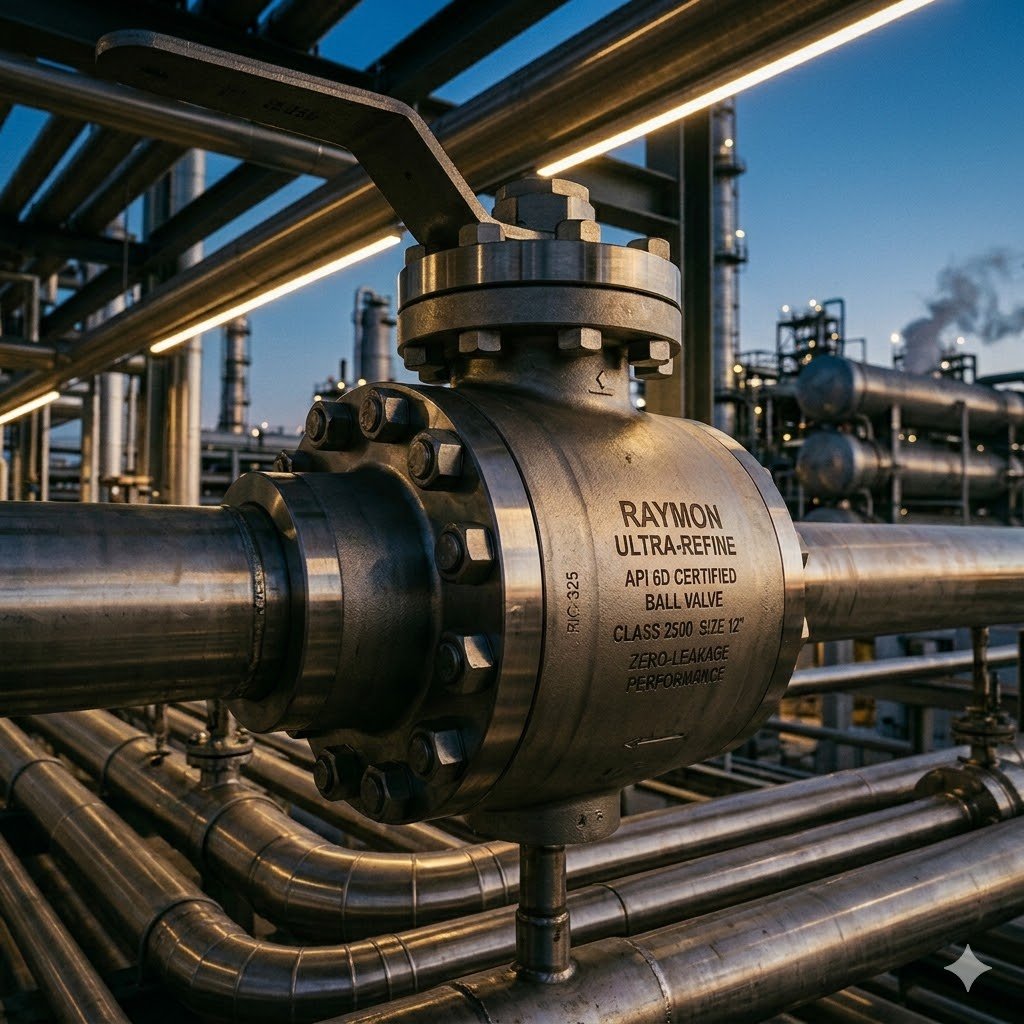
Raymon Ultra-Refine: Custom Solutions for Refining
Engineered for high-temperature and high-pressure refining environments. Our API 6D-certified precision ball valves ensure zero-leakage performance, significantly enhancing plant safety and operational efficiency during complex crude oil processing.
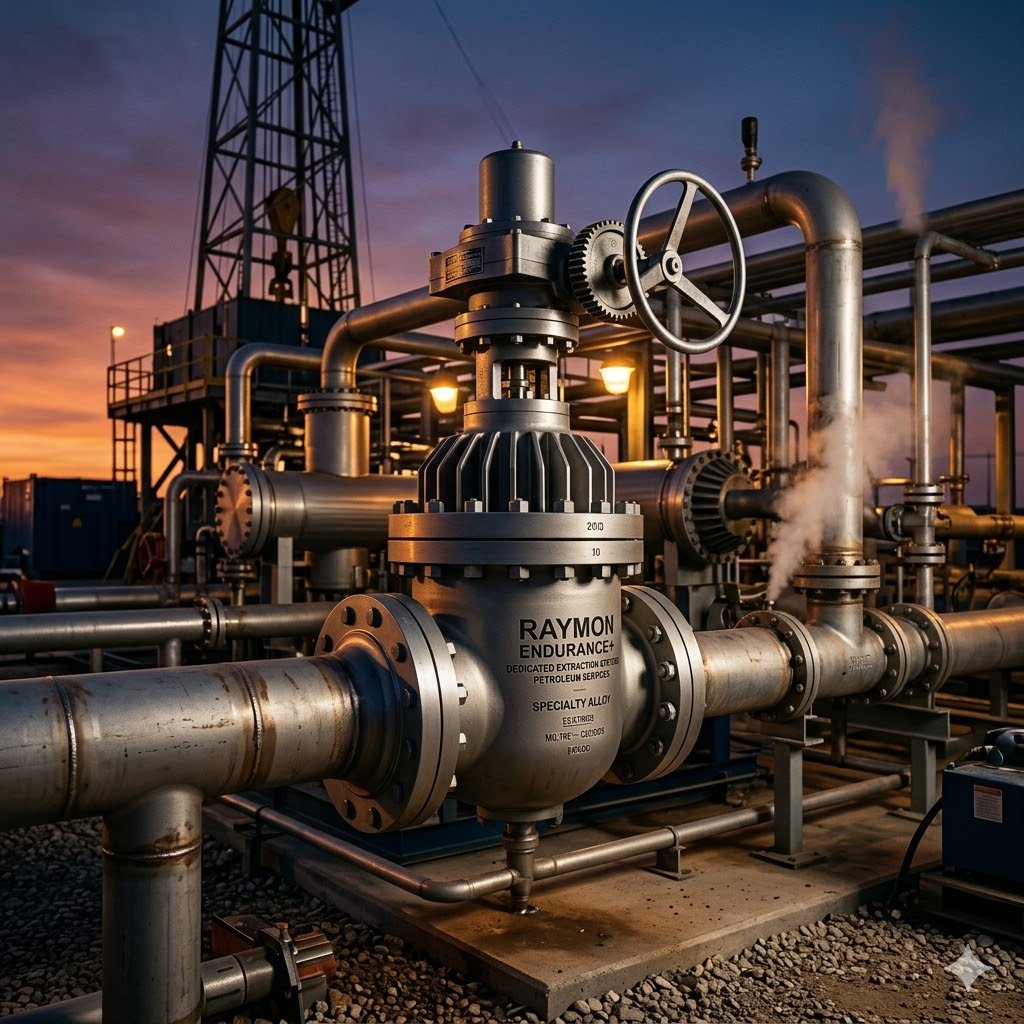
Raymon Endurance+: Dedicated Extraction Systems
Built for the harsh realities of oil extraction and transport. Utilizing specialty alloys and precision CNC machining, our valves maintain consistent performance even when handling corrosive, abrasive, and high-sulfur media, ensuring a long service life.
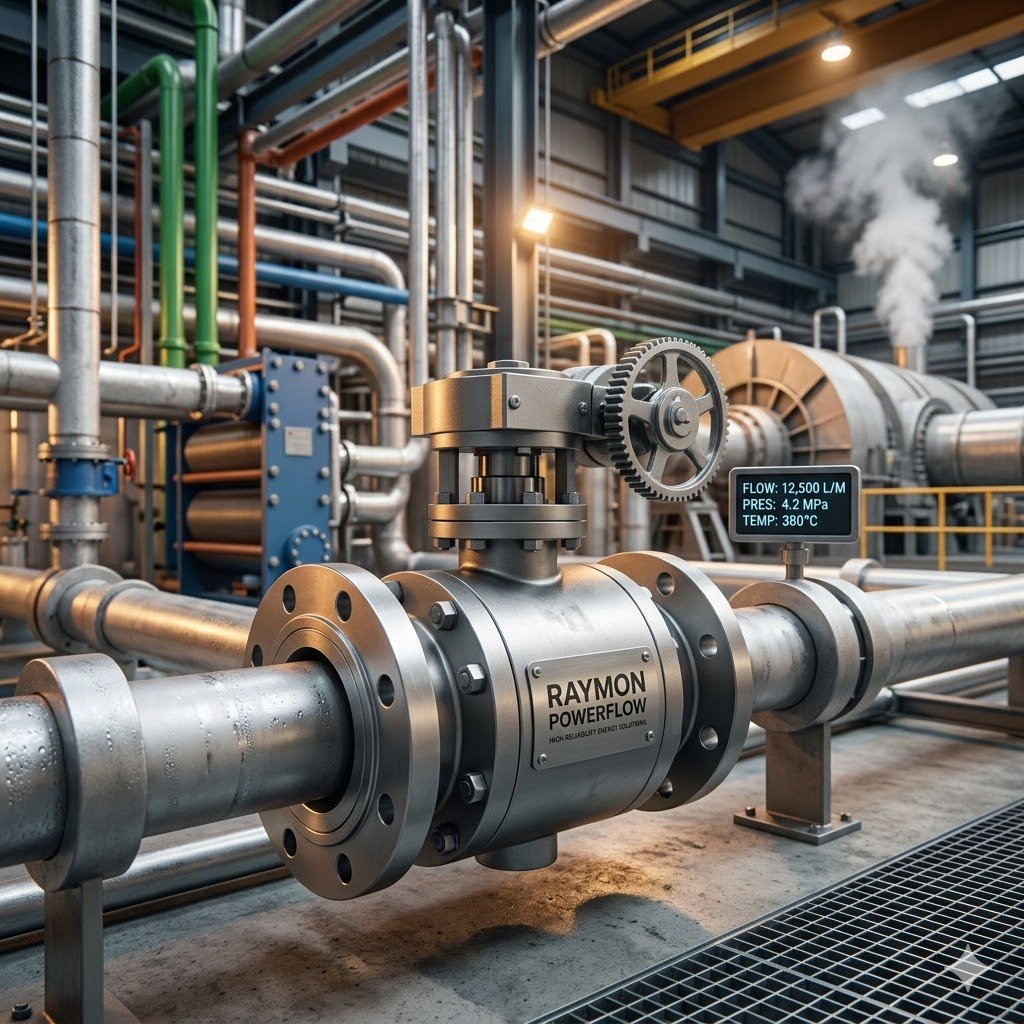
Raymon PowerFlow: High-Reliability Energy Solutions
Engineered for the demanding thermal and pressure cycles of modern power plants. Our metal-seated ball valves and high-performance butterfly valves are designed to minimize erosion and friction, ensuring stable flow control in cooling water systems and steam management applications.
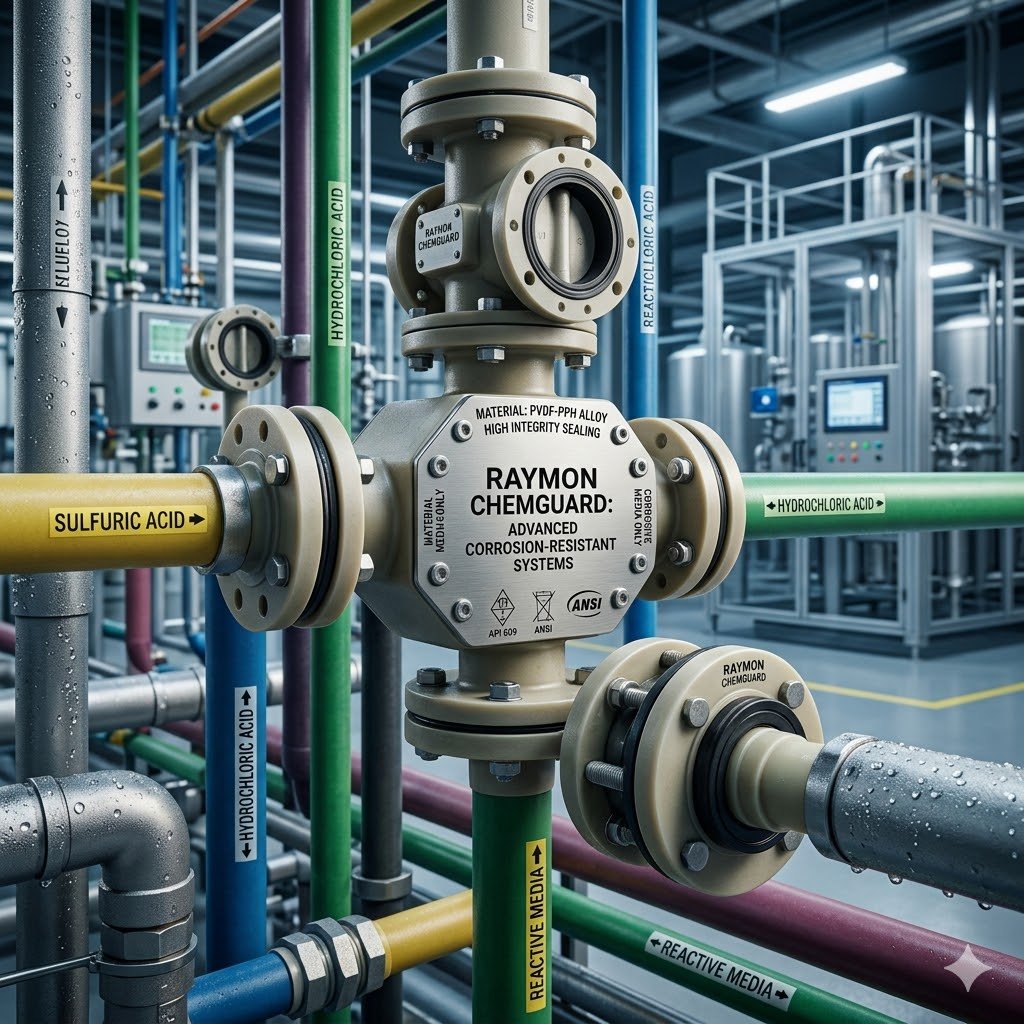
Raymon ChemGuard: Advanced Corrosion-Resistant Systems
Designed to handle highly corrosive, acidic, and reactive media with absolute integrity. Raymon’s chemical-grade valves incorporate advanced sealing technologies and resilient materials, providing the safety and long-term process stability required by chemical manufacturing facilities.
want totalk
with us?
Leave your details and one of our experts will contact you!
Translate the plant context into tag-level valve decisions
Industry pages should expose likely hazards and evidence needs, then return the decision to the real service data for each tag.
Plant engineers, EPC discipline leads and project procurement teams.
Industry application research and solution discovery. Search-volume data is not asserted without connected GSC or keyword-tool evidence.
| Decision | Why it changes the offer | Recommended review route | Evidence to request |
|---|---|---|---|
| Plant unit | The same valve type performs different roles across process and utility systems. | Identify unit, tag function and failure consequence. | P&ID and service description |
| Dominant damage mechanism | Corrosion, erosion, cavitation, thermal cycling and deposits require different responses. | Name the mechanism before choosing materials or trim. | Chemistry and operating history |
| Safeguarding | Fire, toxicity, emissions and shutdown duties change qualification and controls. | Map project safety requirements to each tag. | Hazard study and specification |
| Lifecycle access | Isolation, draining, decontamination and removal space affect maintainability. | Include operations and maintenance in selection. | Layout and maintenance strategy |
Three realistic contexts to test the specification
These are illustrative engineering decision scenarios—not named customer projects, installed-performance claims or promises of suitability.
Decision pressure: Steam, water, fuel and utilities need separate selection rules.
Engineering route: Classify tags by system and risk before standardization.
Decision pressure: Existing dimensions may conflict with improved trim or actuation.
Engineering route: Capture actual face-to-face, piping loads and operating history.
Decision pressure: Local approvals, surge and maintainability can dominate product selection.
Engineering route: Combine hydraulic duty with project and jurisdiction requirements.
Evidence that should exist before technical approval
Send the plant unit, valve list and dominant service risks
Mark confirmed inputs, preliminary assumptions and open questions separately so the first review can focus on risk.
 English
  German
  Arabic
  French
  Spanish
  Italian
  Portuguese
  Russian