
Oil and gas Industries
Oil and gas Industries
We are a valve supplier from China, we produce professional Oil and gas Industries valves, natural gas low pressure valves, and high temperature and high pressure valves for the petroleum industry are our products. If you are Oil and gas Industries and need to buy such valve, please contact us!
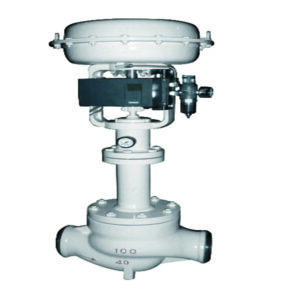
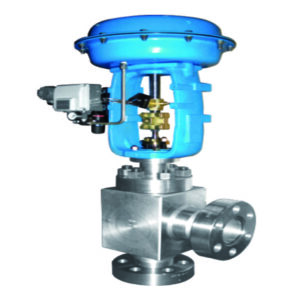
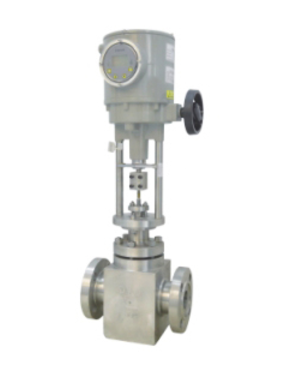
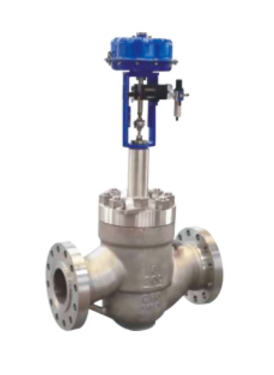
why choose newinteg valve !
Use the oil and gas service checklist below to prepare a complete technical enquiry.
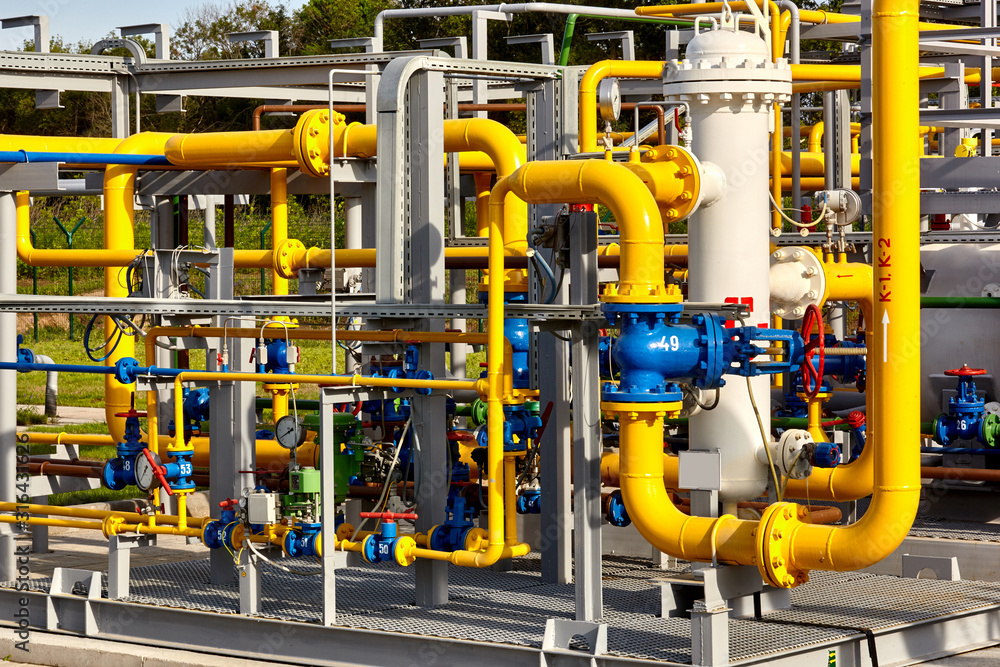
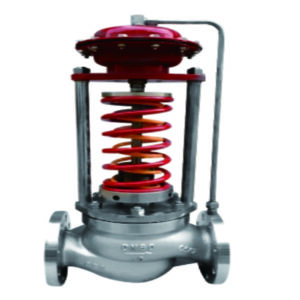
Full range of valve types
For oil and gas service, filter the valve shortlist by process duty, design standard, materials, pressure class and required inspection documents.
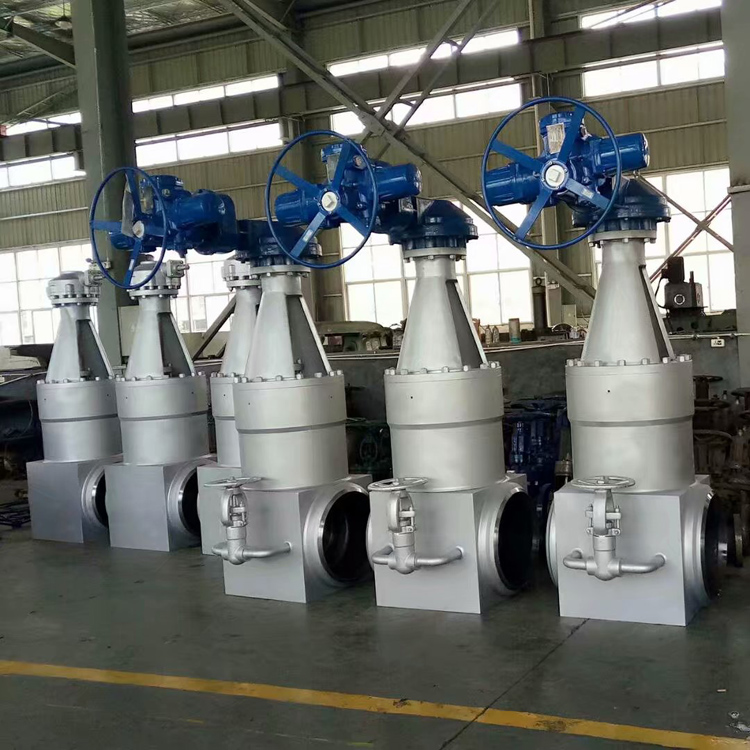
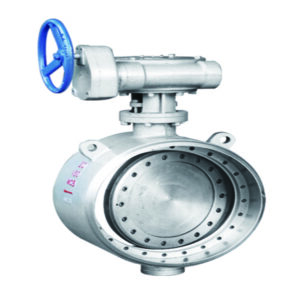
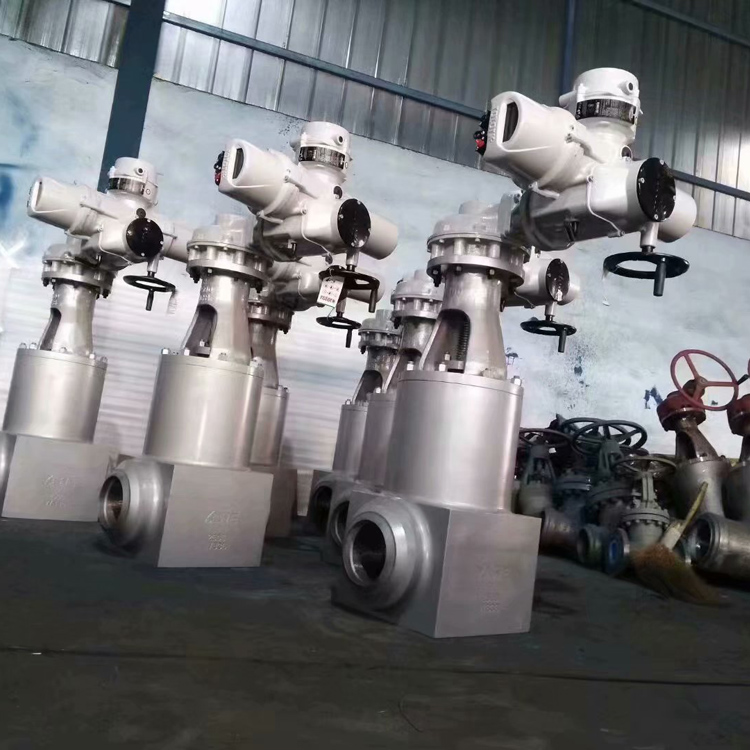
Novel valve type
Current product availability for oil and gas service is confirmed from the approved technical enquiry and manufacturing review.
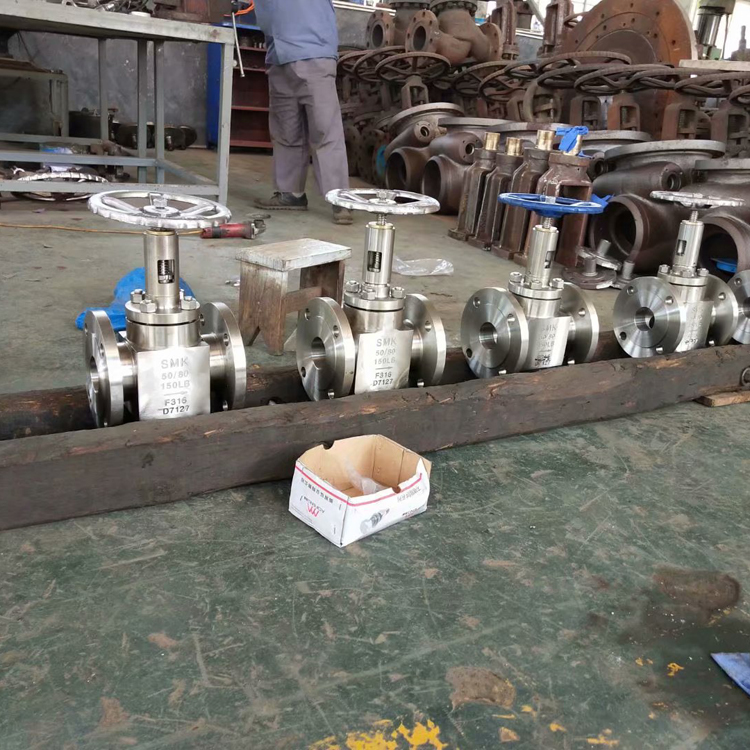
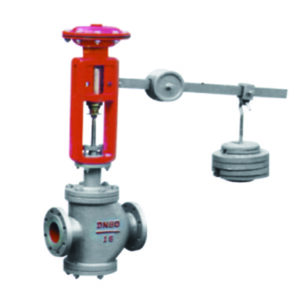
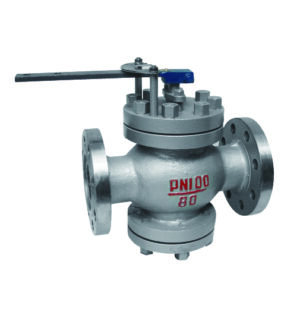
Customized valve types
Fully customized valve according to customer needs!

Valve applications in the oil and gas industry
Oil and gas industries
Valves are a vital part of any piping system, which means that they play a key role in the oil and gas industry. In the oil and gas industry, they can be used to control flow rates, guide and direct the refining process of crude oil, and isolate and protect equipment. There are many types of valves used in oil and gas industries.
Common valves used in oil and gas industry
Below are few common valves that are used in the oil and gas industry of valves:
1. Ball valves
2. Check valves
Check valves are found in mostly every industrial application acting as non-return and one way valves. These check valves are simple devices that help in performing the functions by stopping the reverse flow. It also helps in preventing damage and making sure they perform efficient operations.
Different type of check valves are actually designed for specific applications. Swing check valve, piston check valve, ball check valves and tilting check valve are some common check valves used in the oil and gas industries.
3. Pressure seal valves
For high-pressure oil and gas service, a pressure-seal bonnet may be evaluated where the piping class and design standard permit it; confirm pressure-temperature rating and maintenance procedure.
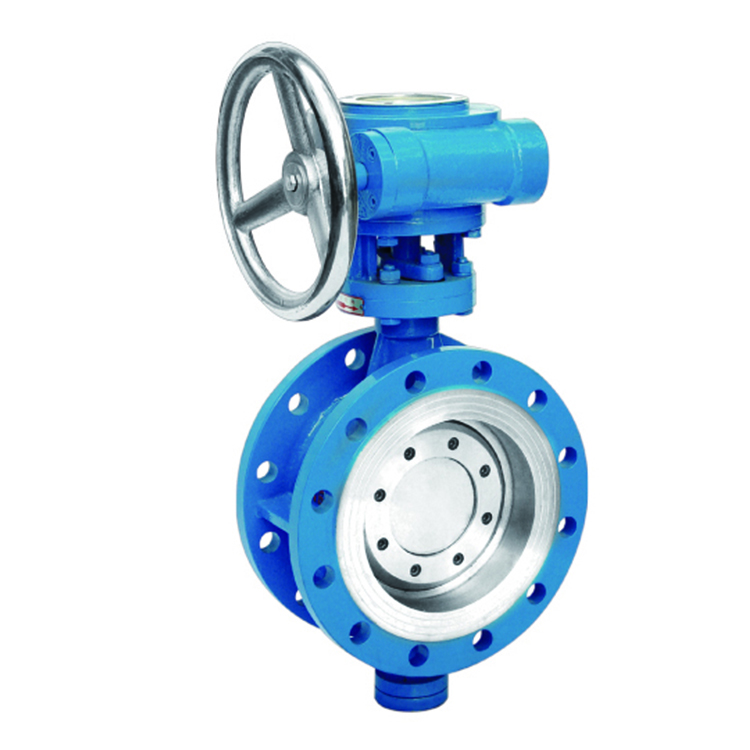
4. Butterfly valves
Butterfly valves belong to the rotational motion quarter turn valves and they are used mostly to regulate, stop and to start the flow. The word butterfly in the butterfly valve is defined as a disk that is connected to the rod.
In oil and gas utility or cooling-water systems, butterfly valves may offer compact quarter-turn operation; hydrocarbon compatibility, fire-safe needs and actuator torque must be checked separately.
5. Gate valves
Gate valves are mostly used in piping and pipeline application. The type of disc is a flat sheet of metal that is raised and lowered to allow or shut off the flow of fluid. Supported on the sides by seating and joined to a stem at the top. The gate valves are the most usable valves for water supply systems.
It is one of the linear motion and isolation valves and those have the ability to allow and stop the flow. These kinds of valves are not used to regulate the flow and they are used to open it whole or completely close it. The partial opening of the valve will cause harm and the name gate valves have come from the closure part. These parts slide into the fluid flow and it produces the shutting off and acting as a gate.
More Valve related articles
I believe you will not regret your choice
Why choose Raymon valve?
Customized on demand
For oil and gas duty, state the fluid phase, pressure and temperature envelope, corrosion basis, isolation philosophy and any fire-safe or fugitive-emission requirement.
Valve quality
For oil and gas service, define the inspection and test plan before manufacture and review traceability, test results and release documents against the order. .
Professional Services
Send questions about oil and gas service with the tag list or datasheet. Response timing and the responsible technical contact are confirmed during enquiry review.
High and new technology
For oil and gas service, list required drawings, calculations, manuals, certificates and inspection records in the enquiry; document scope is confirmed before order acceptance.
R&D innovation
Vendor capability for oil and gas service should be verified through current facility evidence, procedures, qualified personnel, certificates and order-specific inspection records.
International Standard
Applicable design, material, testing and acceptance standards for oil and gas service must be named on the datasheet or purchase specification; editions and deviations require confirmation.
This page provides a practical starting point for oil and gas service; final selection requires project data and engineering review.
OEM & ODM Raymon valve Applications
want totalk
with us?
Leave your details and one of our experts will contact you!
Separate pipeline, process, utility and safety duties before standardizing valves
Oil and gas projects contain very different pressure, phase, contamination and safeguarding conditions. Tag classification prevents one familiar construction from being applied everywhere.
Pipeline engineers, oil and gas EPC teams and project valve buyers.
Oil and gas valve application and supplier evaluation. Search-volume data is not asserted without connected GSC or keyword-tool evidence.
| Decision | Why it changes the offer | Recommended review route | Evidence to request |
|---|---|---|---|
| Location and duty | Upstream, midstream and processing systems impose different risks. | Define unit, tag function and isolation philosophy. | P&ID and valve schedule |
| Hydrocarbon behavior | Phase, condensate, sand, wax and H2S change materials and sealing. | Record composition, contaminants and all cases. | Process and corrosion data |
| Safeguarding | Fire, emissions, DBB/DIB and ESD terms require precise project definitions. | Map each clause to configuration and evidence. | Project specification and cause/effect |
| Remote operation | Utility limits and closure time influence actuator selection and surge. | Coordinate valve torque with pipeline dynamics. | Torque and closure-time basis |
Three realistic contexts to test the specification
These are illustrative engineering decision scenarios—not named customer projects, installed-performance claims or promises of suitability.
Decision pressure: Full bore, cavity relief and remote ESD are typical decision points.
Engineering route: Review trunnion ball or pipeline gate construction against the line specification.
Decision pressure: Pulsation and rapid reverse flow can damage a slow check valve.
Engineering route: Evaluate axial/nozzle dynamics and maintenance access.
Decision pressure: Chlorides, sand and chemicals combine corrosion and erosion.
Engineering route: Review wetted materials, coating, seats and flushing together.
Evidence that should exist before technical approval
Send the line class, service composition and isolation philosophy
Mark confirmed inputs, preliminary assumptions and open questions separately so the first review can focus on risk.
 English
  German
  Arabic
  French
  Spanish
  Italian
  Portuguese
  Russian