
Coal Chemical Industries
Coal Chemical Industries
Raymon Valves can design and customize valves for such customers as for the valves in the Coal Chemical Industries
, and we can accept orders of different sizes. Contact us today to get started with your valve project!
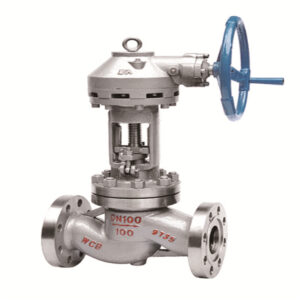
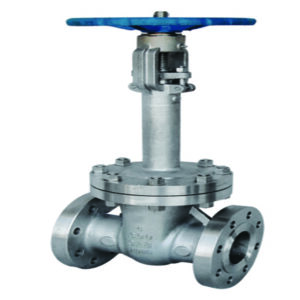
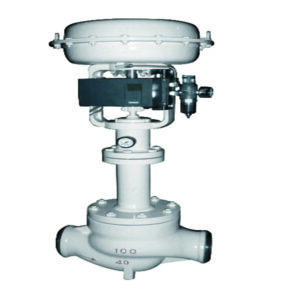
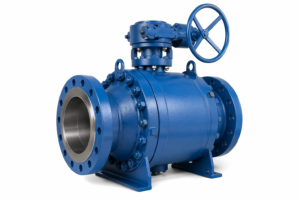
why choose newinteg valve !
Use the coal-chemical service checklist below to prepare a complete technical enquiry.

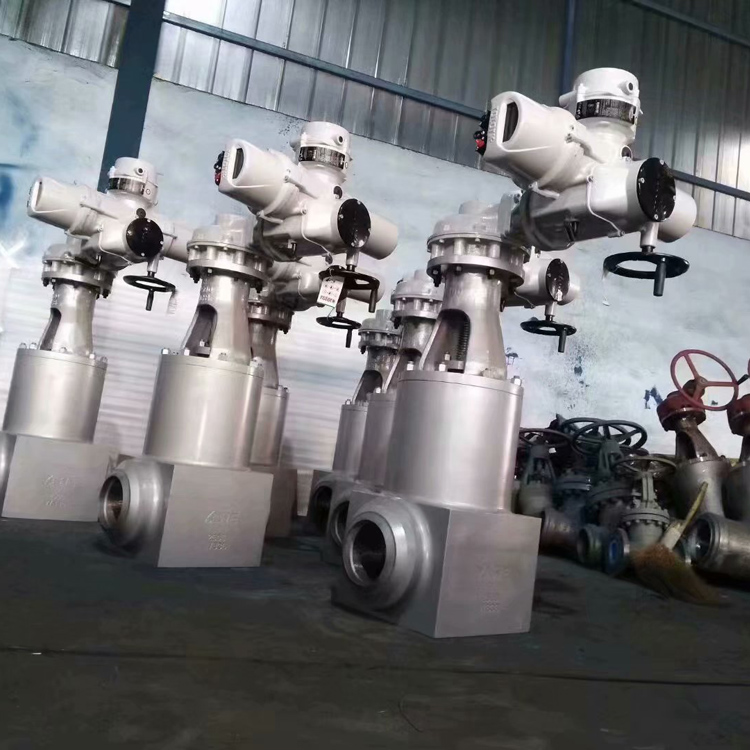
Full range of valve types
For coal-chemical service, filter the valve shortlist by process duty, design standard, materials, pressure class and required inspection documents.
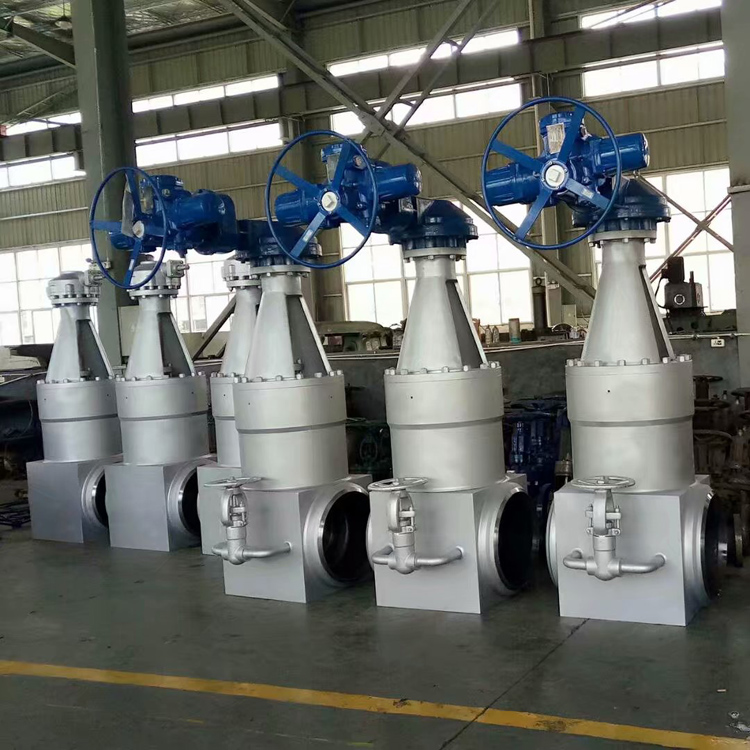
Novel valve type
Current product availability for coal-chemical service is confirmed from the approved technical enquiry and manufacturing review.
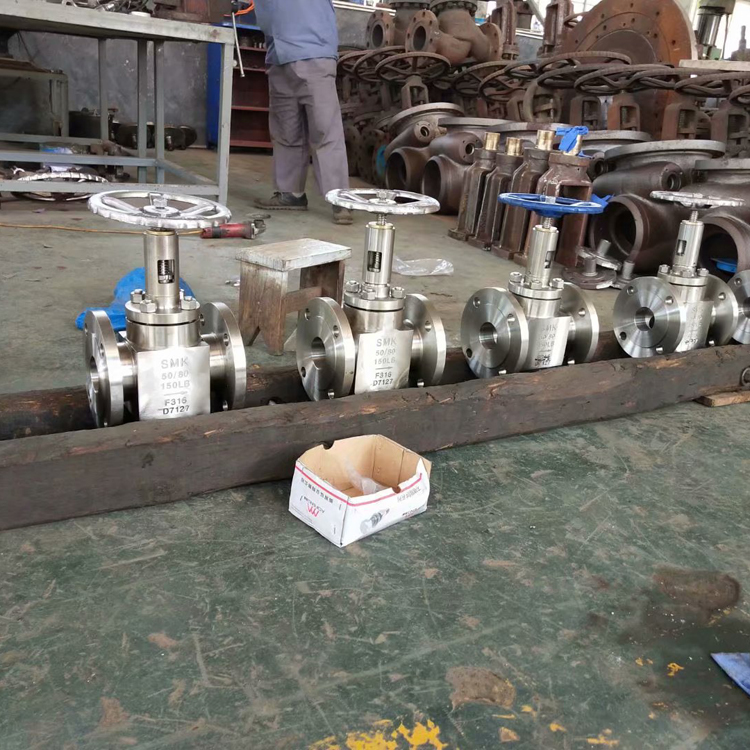
Customized valve types
Fully customized valve according to customer needs!
You Need to Know About Valve Coal Chemical Industries !

Coal Chemical Industries
- Soot blowing system
- Waste water treatment system
- Slag discharge system
2. Characteristics of the valve control medium in the coal chemical industry
- The average temperature is high and the transport temperature can reach up to 350 ℃
- The working conditions of the gas-liquid-solid three-phase fluid are complex
- The working pressure is high and the pressure difference can reach more than 10 MPa, resulting in a high fluid flow rate
- The medium contains chloride ions, ammonia, strong corrosive media such as potassium salt, hydrogen sulfide or phosphoric acid.
Boiler feed water valve
Cryogenic valve
Oxygen vent valve
Three rod valve for molecular sieve purification system
Coal sludge system and pulverized coal
Slag block valve
Synthesis valve and other devices
More Valve related articles
I believe you will not regret your choice
Why choose Raymon valve?
Customized on demand
For coal-chemical duty, identify solids, erosion and corrosion risks, operating temperature and pressure, cycling frequency and the plant piping specification.
Valve quality
For coal-chemical service, define the inspection and test plan before manufacture and review traceability, test results and release documents against the order. .
Professional Services
Send questions about coal-chemical service with the tag list or datasheet. Response timing and the responsible technical contact are confirmed during enquiry review.
High and new technology
For coal-chemical service, list required drawings, calculations, manuals, certificates and inspection records in the enquiry; document scope is confirmed before order acceptance.
R&D innovation
Vendor capability for coal-chemical service should be verified through current facility evidence, procedures, qualified personnel, certificates and order-specific inspection records.
International Standard
Applicable design, material, testing and acceptance standards for coal-chemical service must be named on the datasheet or purchase specification; editions and deviations require confirmation.
This page provides a practical starting point for coal-chemical service; final selection requires project data and engineering review.
OEM & ODM Raymon valve Applications
Coal Chemical Valve Guide
Which valves are coal chemical special valves?
- coal-petroleum
- methanol
- synthetic ammonia
- coal-olefins
Chemical ball valve for coal
Coal chemical gate valve
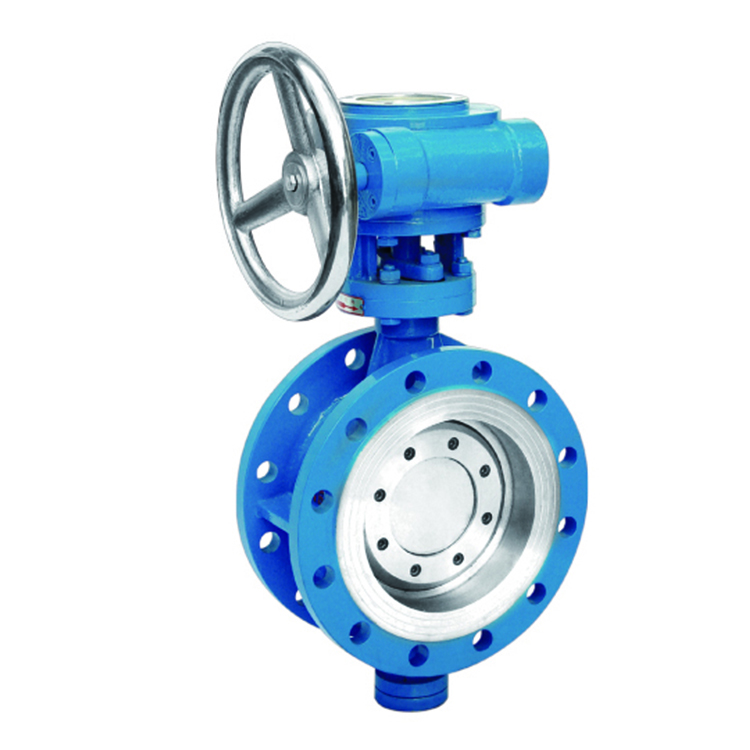
Carbon chemical butterfly valve
Coal chemical shut-off valve
Coal chemical check valve
Coal chemical safety valve
Coal chemical pressure reducing valve
- film type
- spring film type
- piston type
- lever type
- bellows type
Coal chemical solenoid valve
Coal chemical control valve
- V-type electric regulating ball valve
- Electric butterfly valve
- Ventilation regulating valve
- Eccentric butterfly valve
technical requirements of the modern coal chemical industry for valve products
1. Valve material requirements
Treat solids, corrosion and energy release as one severe-service problem
Coal gasification and synthesis duties can combine particles, high pressure drop, toxic gas, corrosion and cycling. Each mechanism must be located in the valve flow path.
Coal-chemical process engineers, EPC teams and severe-service buyers.
Coal-chemical valve application and severe-service evaluation. Search-volume data is not asserted without connected GSC or keyword-tool evidence.
| Decision | Why it changes the offer | Recommended review route | Evidence to request |
|---|---|---|---|
| Solids behavior | Particle size, hardness, concentration and settling control wear and blockage. | Characterize slurry and gas-borne solids. | Particle distribution and operating velocity |
| Energy release | High pressure drop can accelerate erosion, flashing, noise and vibration. | Map local velocity and phase change for every case. | Sizing and wear-path review |
| Chemistry and containment | Syngas, sulfur species and process chemicals affect materials and stem sealing. | Review complete composition and leakage objective. | Corrosion/material and emissions basis |
| Flushing and maintenance | Dead pockets and packed solids can immobilize the closure. | Design purge, drain, orientation and replaceable wear access. | Purge schematic and maintenance plan |
Three realistic contexts to test the specification
These are illustrative engineering decision scenarios—not named customer projects, installed-performance claims or promises of suitability.
Decision pressure: Settling abrasive solids attack seats and cavities.
Engineering route: Use a clear flow path, protected sealing and planned flushing.
Decision pressure: Toxic gas and high pressure ratio raise containment and trim risks.
Engineering route: Coordinate staged trim, materials, packing and actuator.
Decision pressure: Flashing, particles and corrosion can act simultaneously.
Engineering route: Separate mechanism zones and choose replaceable protection.
Evidence that should exist before technical approval
Send solids, chemistry, pressure-drop and flushing data
Mark confirmed inputs, preliminary assumptions and open questions separately so the first review can focus on risk.
 English
  German
  Arabic
  French
  Spanish
  Italian
  Portuguese
  Russian