
Power Plants Industry
Power Plants Industry
Raymon Valve is a Chinese supplier of power station valves. We produce high temperature and high pressure power station valves and all valves related to power stations. If you are a Power Plants Industry and want to know about our power station valves please contact us!
why choose newinteg valve !
Use the power-plant service checklist below to prepare a complete technical enquiry.

Full range of valve types
For power-plant service, filter the valve shortlist by process duty, design standard, materials, pressure class and required inspection documents.
Novel valve type
Current product availability for power-plant service is confirmed from the approved technical enquiry and manufacturing review.
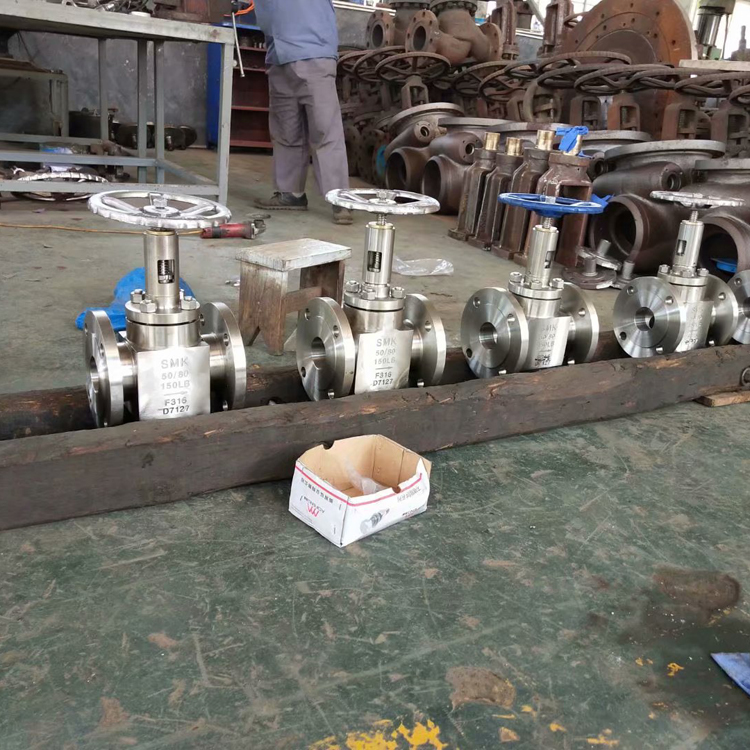
Customized valve types
Fully customized valve according to customer needs!
You Need to Know About Valve Power Plants Industry!

Power Plants Industry
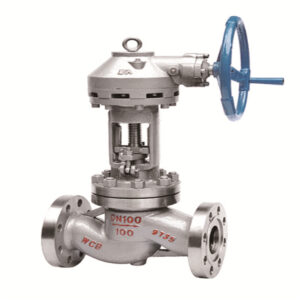
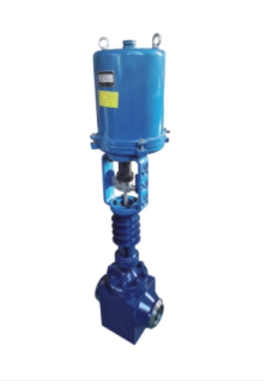
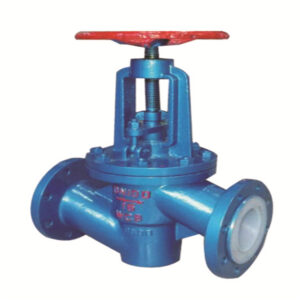
- Globe valve / electric globe valve: is installed on the water and steam piping as an opening and closing device.
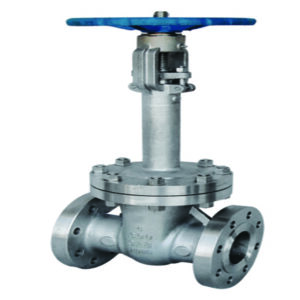
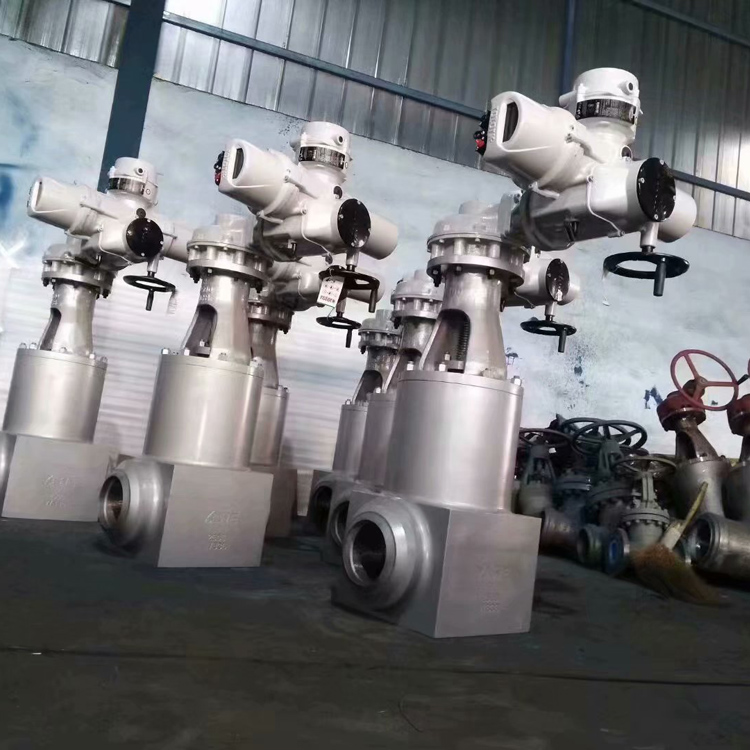
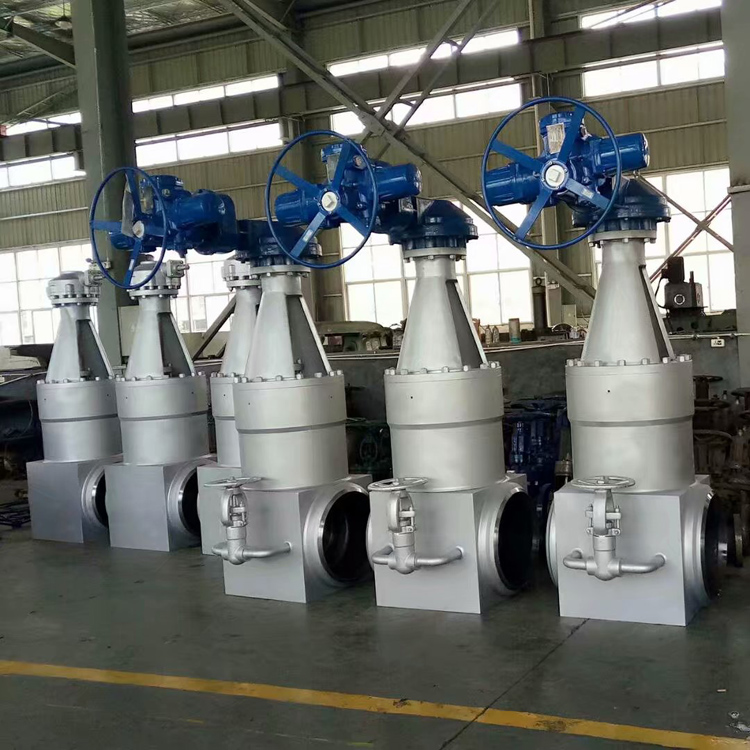
- Electric gate / gate: is installed on the water and steam pipes as an opening and closing device.
- The three-way valve is installed between the pressure gauge and the pressure gauge elbow for the pressure gauge.
- Purge valve / electric purge valve: is installed in the lower header of the water-cooled boiler wall of the power plant and in the centralized downcomer as a boiler purge device.
- Check valve: is installed on the steam and water piping as an installation device to automatically prevent backflow of fluid. Part of the function of a check valve can be classified as safety protection.
- Steam trap: is installed in the drain piping and its function is to drain the condensate water, prevent or reduce the purge and rapid cooling of the equipment by the two-phase vapor-liquid flow and cause damage and vibration.
- Water pressure test block valve: is installed on the steam pipes at the outlet of the boiler superheater and at the inlet and outlet of the heater as an isolation device when the system is subjected to a pressure test of the boiler water. The locking plate can be reinstalled for repeated use during the next water pressure.
- Reduction of boiler temperature and pressure
- Soot blowing
- Heating the oil line
- desuperheating
- pressure reduction
- water splash isolation
- regulation of water sprays Low pressure bypass system valves generally include valves for:
- temperature reduction
- pressure reduction
- regulation of water sprays
- boiler drum
- super-heater output
- heater outlet
- deaerator
- top and bottom steam water side of the power plant boiler
- industrial steam extraction pipeline
- steam turbine heating pipeline
More Valve related articles
I believe you will not regret your choice
Why choose Raymon valve?
Customized on demand
For power-plant duty, identify the water or steam condition, pressure-temperature class, cycling regime, drain or isolation function and plant material specification.
Valve quality
For power-plant service, define the inspection and test plan before manufacture and review traceability, test results and release documents against the order. .
Professional Services
Send questions about power-plant service with the tag list or datasheet. Response timing and the responsible technical contact are confirmed during enquiry review.
High and new technology
For power-plant service, list required drawings, calculations, manuals, certificates and inspection records in the enquiry; document scope is confirmed before order acceptance.
R&D innovation
Vendor capability for power-plant service should be verified through current facility evidence, procedures, qualified personnel, certificates and order-specific inspection records.
International Standard
Applicable design, material, testing and acceptance standards for power-plant service must be named on the datasheet or purchase specification; editions and deviations require confirmation.
This page provides a practical starting point for power-plant service; final selection requires project data and engineering review.
OEM & ODM Raymon valve Applications
want totalk
with us?
Leave your details and one of our experts will contact you!
Use system transients and operating duty to define power-plant valves
Power services combine high-energy steam and water with large cooling circuits and cycling auxiliaries. Startup, shutdown and trip cases can govern selection.
Power engineers, EPC package teams and plant maintenance buyers.
Power-generation valve application evaluation. Search-volume data is not asserted without connected GSC or keyword-tool evidence.
| Decision | Why it changes the offer | Recommended review route | Evidence to request |
|---|---|---|---|
| System | Main steam, feedwater, condensate and cooling water require different architectures. | Classify the valve by system and function. | Heat balance, P&ID and line list |
| Thermal transient | Rapid heating, cooling and pressure changes affect clearances and seals. | Define startup, shutdown and upset rates. | Operating procedure and design cases |
| High-energy pressure drop | Noise, erosion, flashing and cavitation can damage trim and pipe. | Calculate every bypass and control case. | Sizing and velocity review |
| Actuation and protection | Fail action and stroke time affect turbine/boiler protection. | Coordinate valve package with plant logic and utilities. | Cause/effect and actuator calculation |
Three realistic contexts to test the specification
These are illustrative engineering decision scenarios—not named customer projects, installed-performance claims or promises of suitability.
Decision pressure: High temperature and thermal binding govern pressure-boundary and gate design.
Engineering route: Review qualified gate/globe construction and warm-up practice.
Decision pressure: High differential pressure can create cavitation and severe vibration.
Engineering route: Use case-specific control-valve staging and outlet review.
Decision pressure: Large flow and transients affect butterfly and check-valve behavior.
Engineering route: Coordinate head loss, closure response and surge.
Evidence that should exist before technical approval
Send the system, transient cases and operating sequence
Mark confirmed inputs, preliminary assumptions and open questions separately so the first review can focus on risk.
 English
  German
  Arabic
  French
  Spanish
  Italian
  Portuguese
  Russian